Brazil’s Supreme Court Fast-Tracks Case on Waiving Humanitarian Visas for Family Reunification
Brazil’s Supreme Court Moves Toward Precedent-Setting Ruling on Humanitarian Visa Waivers
Experimental Opening of Brazil–Paraguay “Integration Bridge” Starts Quietly With Strict Border Controls
Latest News

Santos Port Reopens Fully After Weather Shutdown, Restoring Key Entry Point for Expat Logistics
After a weather-induced closure, Santos — Latin America’s busiest seaport — has fully reopened, allowing delayed household-goods and project-cargo shipments to reach expatriates and corporate sites. Companies should monitor customs queues this week and update mobility policies to reflect potential maritime disruptions.
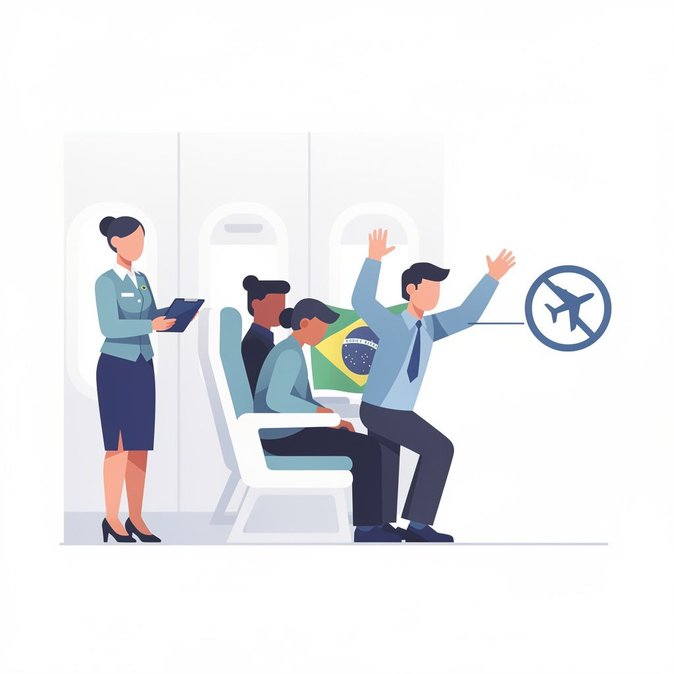
Brazil tightens rules on unruly airline passengers, imposing year-long flight bans
ANAC’s Resolution 800/2026 entered into force on 14 September 2026, allowing Brazilian airlines to fine disorderly travellers R$ 17,500 and bar them from domestic flights for up to a year. The measure seeks to reverse a sharp rise in unruly-passenger incidents and is expected to trigger litigation, but business-travel stakeholders say it will improve operational reliability.

Home Office ‘golden-goodbye’ scheme paid 9,000 Brazilians to leave the UK
UK data released 14 September show almost 9,000 Brazilians accepted Assisted Voluntary Return payments of up to £3,000 to leave Britain—by far the largest nationality using the scheme. The revelation highlights compliance risks for employers and raises questions about reintegration capacity in Brazil.
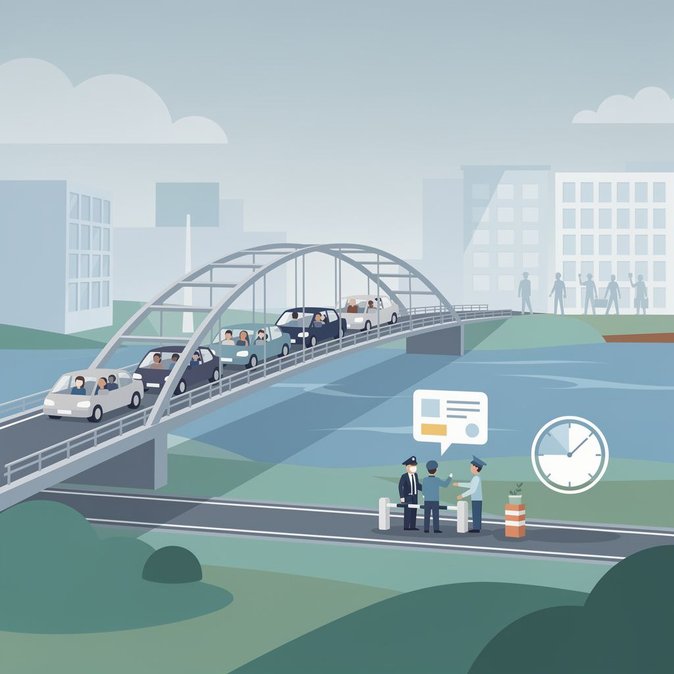
New DTVF pass opens Brazil–Paraguay Integration Bridge to local cars
On 14 September, the Brazil–Paraguay Integration Bridge began allowing local residents’ cars to cross during limited hours, but only if all passengers hold the new DTVF frontier pass. The scheme eases daily commuting yet imposes extra documentation steps that employers must factor into workforce planning.
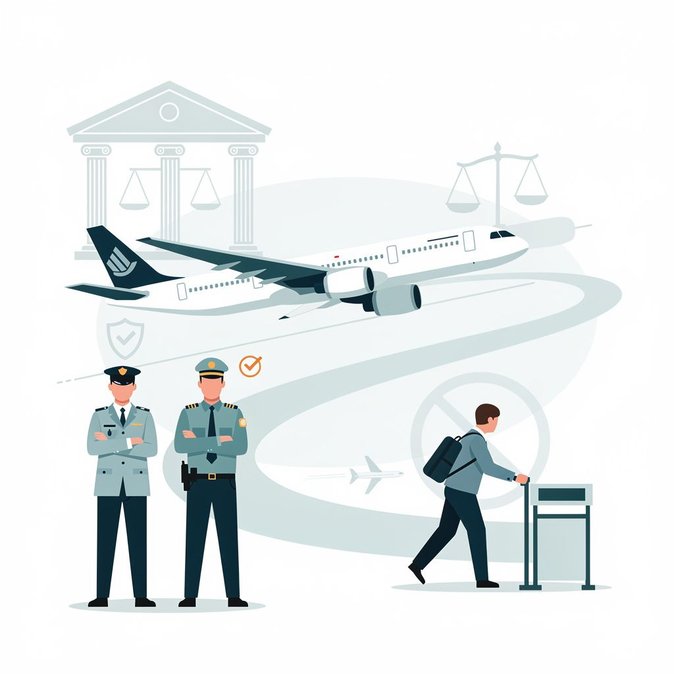
ANAC projects drop in unruly-passenger incidents by December
ANAC told the press on 14 September that it expects a measurable decline in disruptive-passenger cases by year-end following implementation of stiff fines and flight bans. Airlines and unions agree the policy could improve safety but anticipate legal challenges.