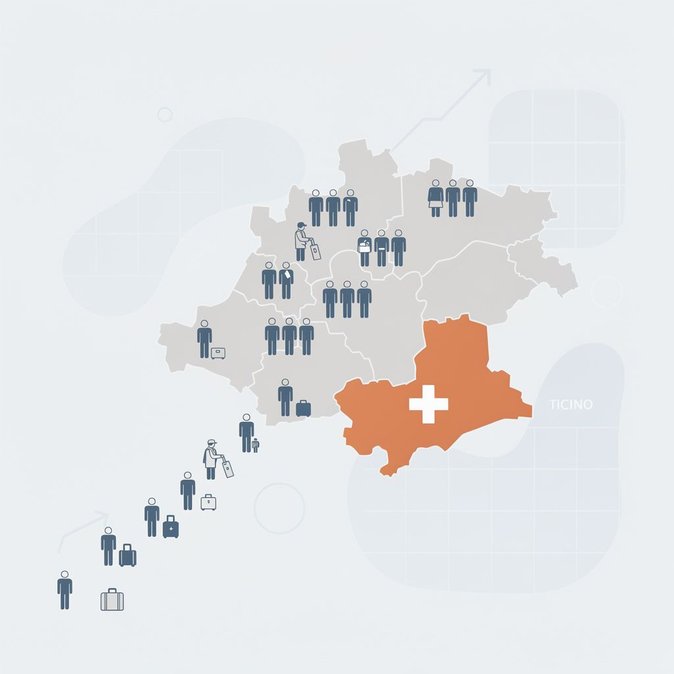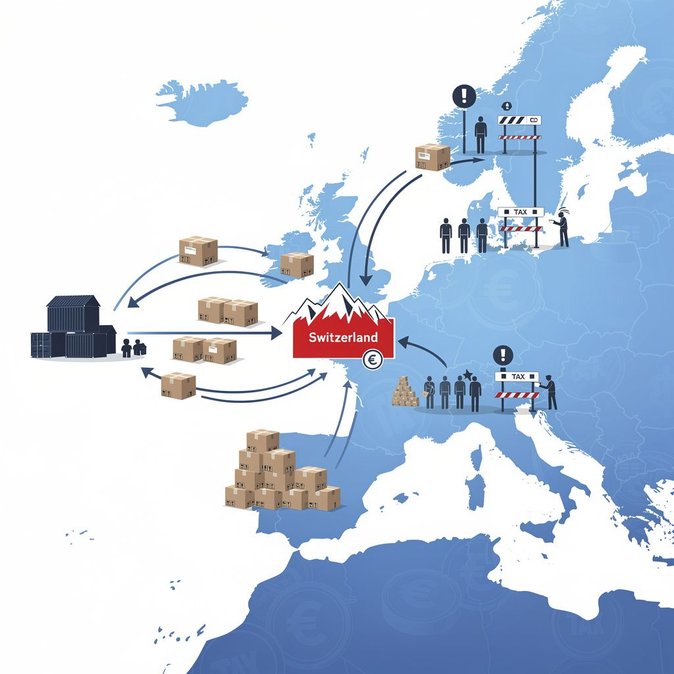
The European Union’s new €3 levy on low-value parcels from China has been in force for barely three weeks, yet logistics experts already warn of an unintended side effect: shipments being rerouted through Switzerland. A Swissinfo investigation published on 22 July 2026 explains how the mismatch between Swiss and EU customs regimes could turn the non-EU Alpine state into a distribution hub for platforms such as Temu and Shein. Because Switzerland has postponed its own mirror levy until 2028, parcels flown into Zurich or Basel can currently transit the Swiss customs zone untaxed before moving by truck or rail into the neighbouring Schengen area. Customs officers told reporters they are receiving “several hundred thousand” extra packets per day – volumes that exceed scanning capacity and raise product-safety concerns. NGO Public Eye cautions that sub-standard electronics or counterfeit cosmetics could leak into the EU single market via Swiss depots. For corporate supply-chain managers the development is a double-edged sword. Third-party logistics providers (3PLs) are already marketing ‘Swiss cross-docking’ solutions that promise next-day delivery to Germany, France or Austria without the EU fee. While that may cut last-mile costs in the short term, multinationals risk reputational damage and retroactive duty claims if Brussels presses Bern to align earlier than 2028. Politically the issue lands at an awkward moment in Swiss-EU negotiations over a new institutional framework. EU diplomats privately indicate that customs divergence on e-commerce will be added to the agenda of the next Joint Committee meeting in autumn. Should the EU decide to classify Switzerland as a ‘special duty-suspension zone’, carriers could face extra paperwork or even security deposits when exporting via Swiss hubs. Companies importing consumer goods through Switzerland should therefore conduct a risk assessment, map parcel flows and prepare for possible mid-term rule changes. Swiss customs meanwhile plan to pilot an automated risk-analysis engine in 2027, but until then inspection rates will remain low, making voluntary compliance – accurate CN22 declarations and Swiss VAT registration – the safest course for high-volume shippers.
Source: SWI swissinfo.ch