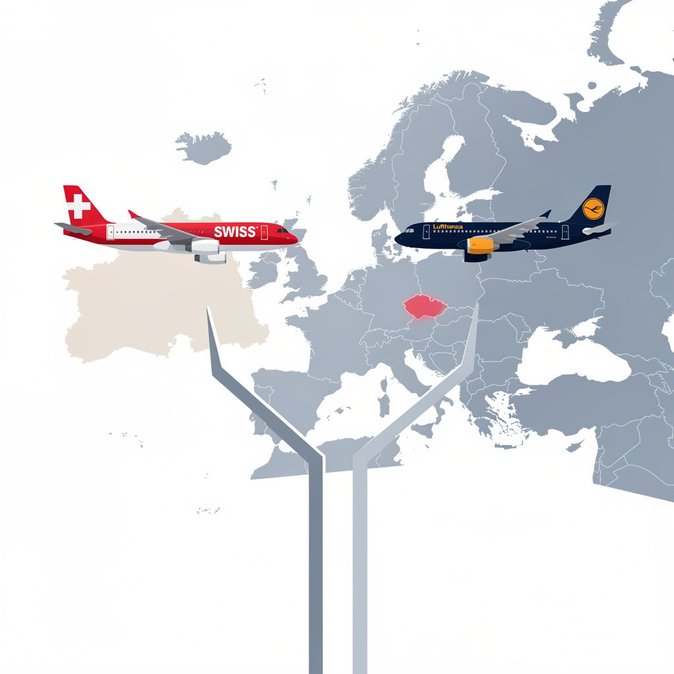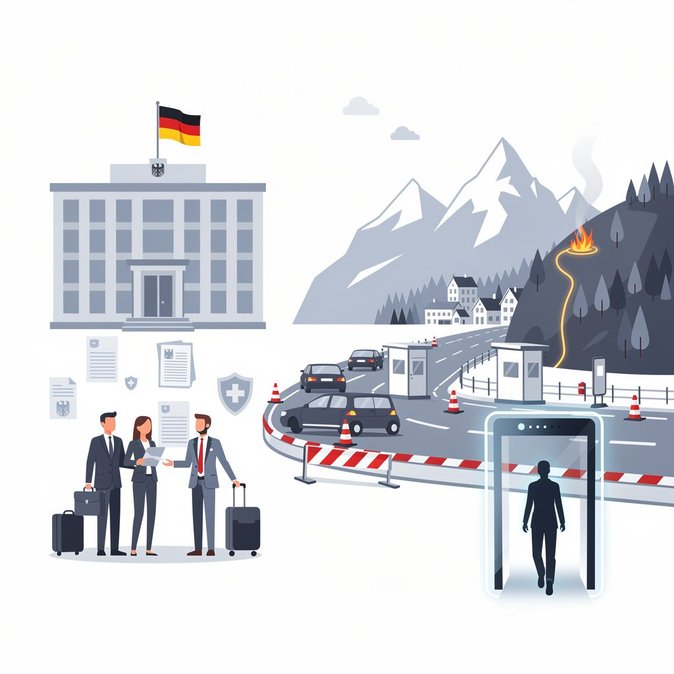
The German Federal Foreign Office (Auswärtiges Amt) updated its Switzerland travel and safety advisory on 20 July, keeping the overall risk rating low but adding fresh guidance for visitors during the high-season surge. While no new restrictions were introduced, officials emphasised heightened pick-pocketing on public transport, wildfire danger due to drought in several cantons, and residual protest activity linked to last month’s G7 summit in neighbouring Évian. German nationals make up the largest foreign visitor group to Switzerland, accounting for roughly 2.5 million overnight stays annually. The advisory reminds travellers that temporary re-routing of cross-border traffic can still occur near Geneva and that spot checks remain possible along the Franco-Swiss frontier. Drivers are advised to carry passports and be prepared for delays on secondary roads. The update also reiterates Switzerland’s plan to join the EU’s Entry/Exit System (EES) later this year, signalling that German residents of non-EU nationality will soon need to register biometric data on first entry. Business travellers should therefore allocate extra time at airports once the system goes live—currently projected for Q4 2026. For corporate mobility teams the practical upshot is to brief German assignees heading to Swiss sites on petty-crime hotspots, ensure adequate health insurance, and monitor local cantonal fire-ban announcements that could affect company events. In addition, firms organising cross-border staff shuttles near Geneva may need to re-assess routing until all G7-related security infrastructure is dismantled. The Foreign Office advises signing up for its “Sicher Reisen” app to receive push alerts and encourages travellers to keep digital copies of ID documents, a precaution that speeds replacement should theft occur.
Source: Auswärtiges Amt