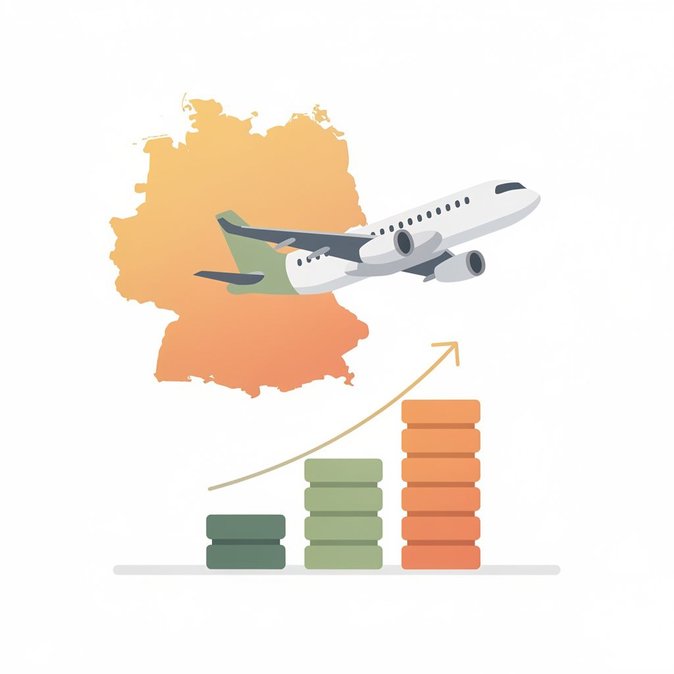
Belgium’s Federal Government has put an end to weeks of speculation about the future level of its so-called “flight tax”. In the package of measures adopted just before Parliament’s summer recess, ministers decided that the boarding tax introduced in 2022 will rise, but far less steeply than originally announced. Instead of doubling from €5 to €10 on flights of more than 500 km, the levy will increase to €7 from 1 January 2027. The €2 surcharge on very short flights (under 500 km) and the €10 surcharge on private jets remain unchanged. The compromise comes after months of fierce lobbying by airlines, business-travel associations and regional airports, all of which warned that a sharp tax hike would undermine Belgium’s competitiveness at a time when neighbouring countries are easing pandemic-era charges. Low-cost carriers had threatened to redeploy aircraft to other bases, while network airlines feared losing transfer traffic from Brussels Airport. The government’s climb-down therefore removes an immediate cost shock for corporate travel managers and expatriate staff whose mobility budgets are set in multi-year cycles. However, the tax will still rise by 40 %, and companies will need to budget accordingly. HR and mobility teams should review 2027 travel forecasts now – especially for long-haul assignments that involve multiple positioning flights – and consider encouraging employees to book earlier or route via nearby hubs (Amsterdam, Paris, Frankfurt) where taxes are either lower or more closely aligned with distance. Travel-management companies also point out that Belgium operates a tax-refund scheme for “mixed” trips that combine business and private segments, but the administrative burden may offset the saving. From a policy perspective, the watered-down increase illustrates the tightrope the new coalition walks between green commitments and economic reality. According to Finance Minister Jan Jambon, the €7 rate still delivers €85 million a year in revenue and “keeps pressure on the aviation sector to decarbonise”, while limiting the outflow of passengers to foreign airports. Environmental NGOs remain sceptical, arguing that the levy is still far below the external cost of CO₂ emissions and aircraft noise. In practice, the final rate must be confirmed in a Royal Decree later this year. Airlines will update their global distribution systems once the text is published, but mobility teams should flag to travellers that quoted fares for 2027 may change during ticket re-issuance. Employers using “lump-sum” relocation allowances should also track the new tax, as it could erode purchasing power for home-leave flights and dependent travel.
Source: The Brussels Times