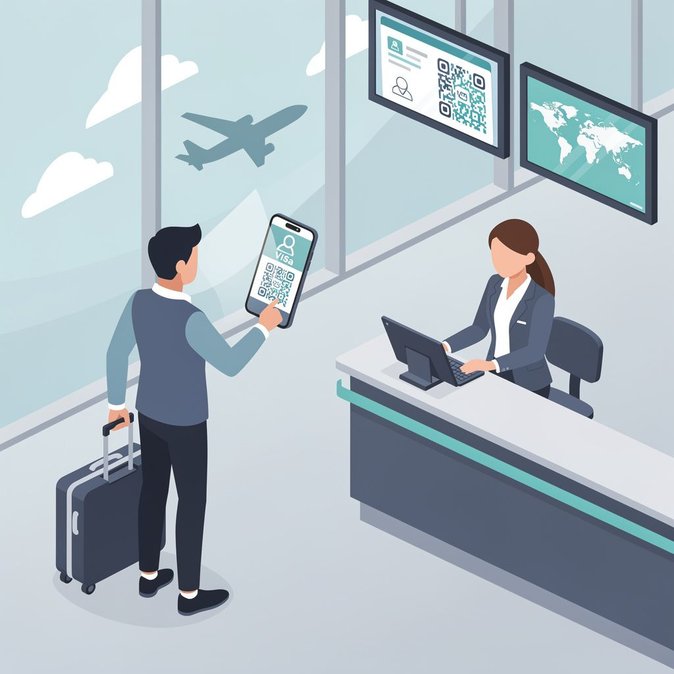
Late on 23 July the Home Office quietly issued new guidance telling travellers to the UK that airlines may soon refuse boarding if they cannot automatically verify a passenger’s immigration status through the government’s new digital system. The 4,000-word notice explains the steps that holders of eVisas, EU Settlement Scheme status, Electronic Travel Authorisations (ETAs) and certain exemptions must take to make sure their carrier can read the data that now sits behind their passport chip. The document, which is part of the government’s wider move away from physical documents to digital status records, warns that mismatched passport numbers, expired documents or a failure to update details in a UKVI account will leave the airline unable to receive the mandatory “OK-to-board” message. In that scenario passengers will have to present a time-limited “share code” or, if they still hold one, a physical BRP vignette or paper letter – a process that risks check-in queues and missed flights. For corporate mobility managers the change is significant. From 1 July UKVI stopped issuing visa vignettes altogether; almost all new entrants now receive an eVisa only. Employees abroad who have renewed their passports – common among long-haul assignees – must therefore update their UKVI account before travelling or risk being turned away at the gate. The guidance also reminds British dual-nationals who travel on a foreign passport to carry proof of right of abode or a valid UK passport. Travel suppliers are already adapting. Several major airlines have confirmed they will integrate UK eVisa queries into their DCS (departure control system) by the end of August, mirroring the API checks long used for US ESTA and Canadian eTA compliance. Mobility teams are being advised to issue pre-departure check-lists and to build extra time into journey planning until the new process beds in fully.
Source: GOV.UK – UK Visas & Immigration