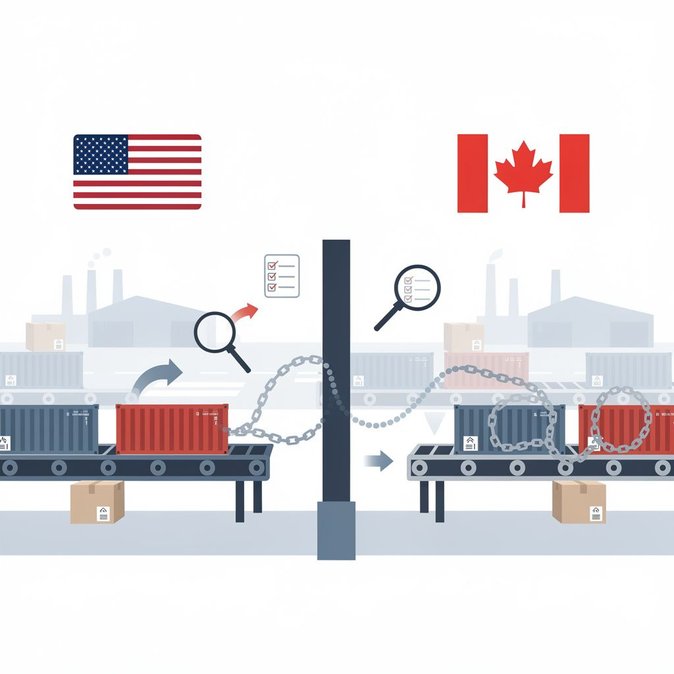
Late Thursday night, the Office of the U.S. Trade Representative unveiled its long-awaited retaliation against trading partners that, in Washington’s view, fail to bar imports made with forced labor. Acting on President Trump’s directive, the USTR slapped a 12.5 percent Section 301 duty on goods from 50 economies—but carved out a lower 10 percent rate for Canada and a handful of allies after last-minute talks. Canada’s government breathed a sigh of relief, issuing a statement just after midnight on July 23 noting the lighter tariff and exemptions for USMCA-compliant goods. Ottawa stressed that the bilateral supply chain—already strained by pandemic-era disruptions—would have faced “significant new frictions” had the full 12.5 percent rate applied to auto parts, agricultural inputs and machinery that criss-cross the border multiple times during production. For mobility managers, the headline may look like pure trade policy, but the ripple effects touch global assignments. Household-goods shippers rely heavily on northbound and southbound trucking lanes; any extra duty on moving vans stuffed with personal belongings could have added thousands of dollars to relocation budgets. HR teams should confirm with logistics providers that transferees’ used personal effects continue to qualify for existing duty exemptions under Chapter 98, HTSUS. Corporations sourcing laptop computers, uniforms or promotional items from low-cost jurisdictions need to verify supplier compliance with forced-labor bans. If a product is flagged, not only does the 12.5 percent tariff apply, but CBP can seize the shipment under Withhold Release Orders, leaving traveling technicians or event teams without critical equipment. USTR signaled that the tariff schedule will be reviewed quarterly; economies demonstrating “verifiable enforcement” of forced-labor prohibitions may see rates reduced—or increased if violations persist. Companies should monitor vendor certifications and consider switching to suppliers in jurisdictions with robust labor-rights enforcement to avoid sudden cost spikes that could derail project timelines or assignment budgets.