Universities Scramble as DHS Sets Fixed End-Date Admissions for F and J Visas
2026 Global Mobility Forecast highlights U.S. shift from logistics to strategic enablement
Federal Judge Blocks Trump Administration’s $100,000 H-1B Visa Fee
Latest News
U.S. widens visa bans to target global cyber-crime networks
Effective July 23 2026, the State Department can deny or revoke any U.S. visa if the applicant is linked to major cyber-enabled crime, and the bar can extend to immediate family. The change adds a powerful, non-reviewable ground of refusal that companies must factor into compliance audits and travel timelines.
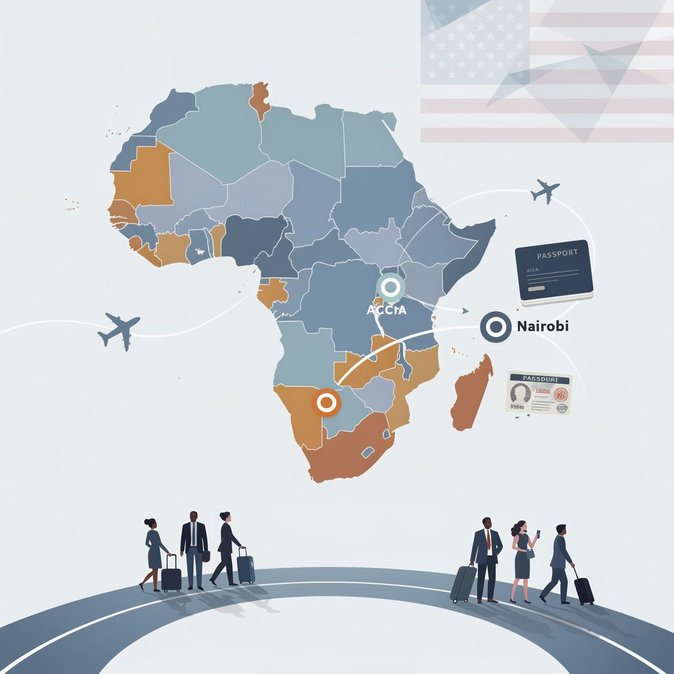
State Department to consolidate 25 African consulates into regional U.S. visa hubs
Starting 1 August 2026, 25 U.S. consulates across Africa will stop regular visa interviews; applicants must instead travel to new regional hubs such as Accra and Nairobi. The consolidation promises efficiency but adds cost and complexity for U.S. companies moving talent in and out of Africa.

USCIS Announces FY 2027 H-1B Cap Reached, Heightening Talent-Pipeline Pressure
USCIS says the FY 2027 H-1B quota is already full, ending selections earlier than in recent years despite higher compliance costs and tighter rules. Employers that missed out must pivot to alternative visa categories or overseas talent hubs, while public-sector recruiters fear classroom shortages.
Eleven U.S. Embassies Issue Country-Specific Warnings as Iran Conflict Escalates
U.S. missions in 11 Middle-Eastern states have published synchronized travel alerts urging Americans to brace for flight disruptions amid renewed U.S.–Iran hostilities. The warnings signal elevated operational risk for multinationals with staff in the region and make contingency evacuation planning a priority.
EOIR Shutters Batavia Immigration Court; Cases Move to Buffalo
Batavia Immigration Court officially closed on July 24, with all cases shifted to Buffalo. The change streamlines EOIR operations but may extend detention times and complicate legal access for businesses whose foreign staff face removal proceedings in upstate New York.
State Department Unveils Global Visa Ban for Cybercriminals, Expands INA 212(a)(3)(C) Powers
A new State Department policy effective July 23 allows consular officers to deny or cancel U.S. visas for anyone linked to serious cyber-enabled crime under INA 212(a)(3)(C). Though routine travelers will not see extra paperwork, firms with globally mobile tech staff should brace for tougher background vetting and ensure cyber-risk checks are part of assignment planning.
Senate Budget Panel Flags $152 Billion in Unspent ICE and CBP Funds
• A July 23 Senate Budget Committee memo says ICE and CBP still possess $152 billion in unused funds from two major homeland-security bills. • The cache could speed up technology roll-outs for programs like Global Entry but also invites congressional demands for better performance metrics on immigration backlogs. • Employers should track upcoming oversight hearings, as potential reallocations or new fee mandates could affect compliance costs and traveler experience.

DHS Final Rule Replaces ‘Duration of Status’ With Fixed I-94 End-Dates for F and J Visa Holders
A DHS final rule, effective September 15, 2026, will end the long-standing “duration of status” framework for F-1 and J-1 visa holders and replace it with fixed I-94 expiration dates. Students and scholars will have to file Form I-539 extensions or depart and re-enter to stay beyond that date, and the F-1 grace period drops from 60 to 30 days. Universities and employers must overhaul compliance tracking and budget for new fees, while litigation challenges are possible but not yet filed.
U.S. Imposes Targeted Travel Bans on Cyber-Fraud Rings and Online ‘Sextortionists’
The State Department has begun denying and revoking U.S. visas for foreign cyber-criminals involved in large-scale online investment scams and ‘sextortion’ rings, and may also bar their family members from travel to the United States. The policy gives consular officers immediate authority to refuse B-1/B-2, student, work and immigrant visas tied to designated individuals. U.S. companies must now vet suppliers and travelers more carefully or risk compliance penalties, making cyber-due-diligence a new frontline issue for global-mobility programs.
U.S. Slaps New Visa Bans on Global Cyber-Fraud Rings and ‘Sextortion’ Networks
• A new State Department policy announced July 23 authorizes global visa bans on individuals who finance, direct or enable large-scale online investment scams and child ‘sextortion’ networks. • The measure expands economic-security grounds for inadmissibility and could lengthen security checks for legitimate travelers from high-risk regions. • Corporate mobility teams should prepare for possible visa refusals, tighten vendor screening and advise travelers to allow more time for consular processing.
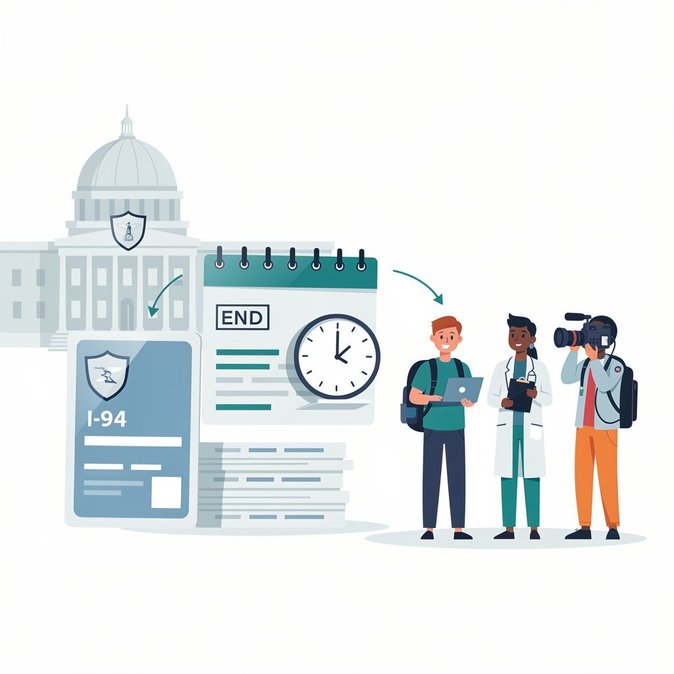
DHS Final Rule Replaces “Duration of Status” With Fixed I-94 Expiration for F, J and I Visa Holders
A sweeping DHS regulation ends the open-ended “duration of status” admission for F, J and I non-immigrants. From 15 September 2026, arrivals will get a fixed I-94 expiry and must file extensions—raising compliance costs and shortening grace periods. Schools and employers must update policies quickly to keep students, scholars and foreign media in status.
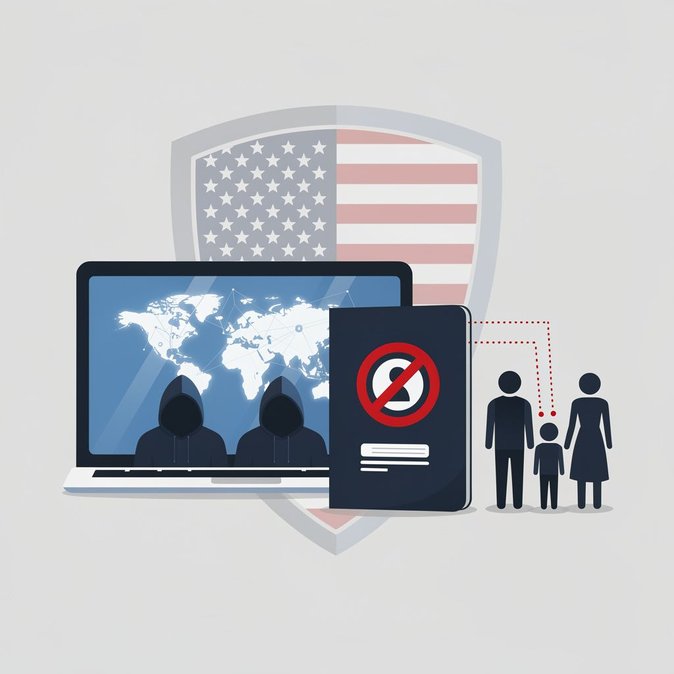
U.S. Imposes Global Visa Ban on Foreign Cyber-Scam Operators and Their Families
Effective immediately, the United States will refuse or revoke visas for anyone linked to major cyber-enabled scams, plus their immediate family members. The new policy, announced 23 July, expands the toolkit for combating overseas fraud but could inadvertently snag third-party vendors if companies fail to vet partners.
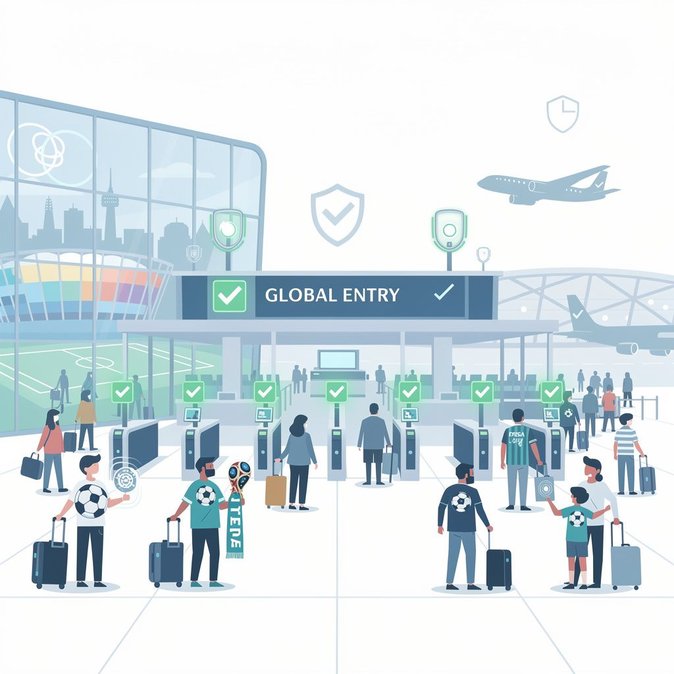
DHS Highlights ‘Whole-of-Agency’ Mobility Operations That Kept FIFA 2026 Moving
• A DHS after-action report released July 23 says CBP, TSA and USCIS handled a record 4.2 million arrivals during the FIFA 2026 World Cup without major incidents. • Temporary Global Entry and TSA PreCheck Touchless ID expansions cut processing times and will now be extended at several airports. • The experience is likely to inform mobility planning for the 2028 Olympics; companies should leverage the current surge in Global Entry appointment availability.
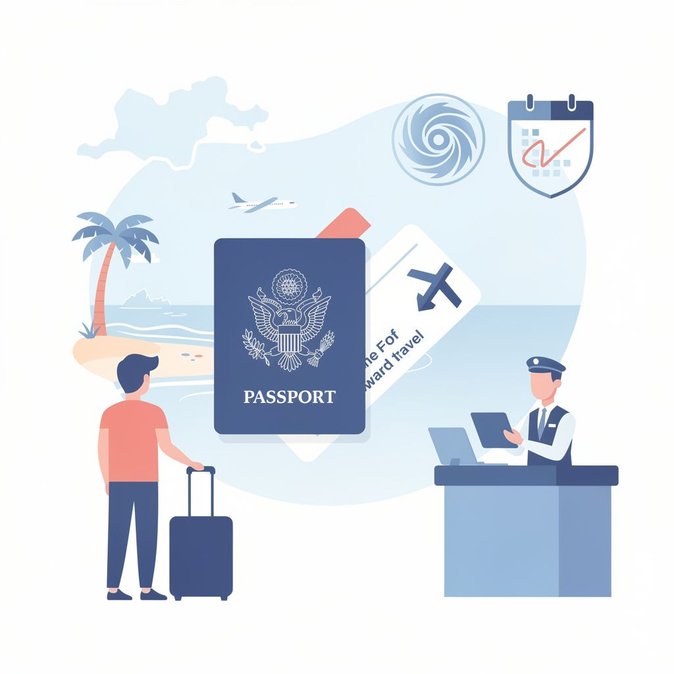
Barbados Country Page Updated; No Visa Required but U.S. Travelers Urged to Carry Proof of Onward Travel
• On July 23 the State Department updated its Barbados travel page, emphasizing proof-of-onward-travel checks and the long-standing ban on camouflage attire. • No visa is required for U.S. citizens staying up to six months, but airlines may deny boarding without evidence of a return ticket. • Companies with regional assignees should brief travelers on documentation expectations and hurricane-season preparedness.

FAA Unveils Mobile Customs-Clearance App for Business Aviation—Nationwide Roll-Out in 2027
The FAA’s new ‘Mobile Clear’ app, unveiled July 23, lets business-aviation pilots clear U.S. customs and immigration via smartphone, slashing on-ground processing times. A national roll-out is slated for 2027, promising faster corporate itineraries but requiring flight departments to integrate new data-privacy and manifest-submission procedures.