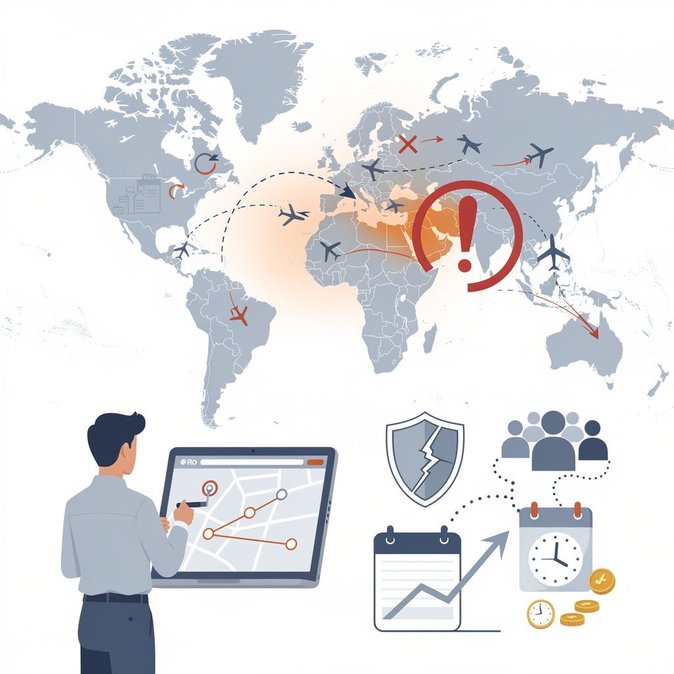
Australia’s Department of Foreign Affairs and Trade (DFAT) has upgraded its Smartraveller guidance following a sharp escalation in military strikes across the Middle East. In an alert last updated on 24 July 2026, DFAT warns that fuel shortages, air-space closures and a wave of flight cancellations are already rippling well beyond the region. The European Union Aviation Safety Agency has advised carriers to avoid Gulf air space until at least 29 July, forcing many airlines—including Qantas codeshares—to reroute via South-East Asia or northern Europe. For Australian citizens already in the region, DFAT urges immediate contingency planning and, where safe, departure while commercial flights remain available. Travellers are advised to stay informed through local media, maintain contact with airlines and insurers, and register for Smartraveller updates. DFAT notes that embassies and consulates may operate reduced hours if security conditions deteriorate, and has published emergency contact numbers for 24-hour consular assistance. The advisory also highlights knock-on effects for Australians transiting popular hubs such as Doha, Dubai and Abu Dhabi. Corporate travel managers are being advised to build extra lay-over time into itineraries or consider alternate routings through Singapore, Bangkok or Kuala Lumpur. Companies with fly-in-fly-out staff in the energy, engineering and defence sectors are reviewing evacuation protocols and verifying that travel-insurance policies still provide cover for war-related disruptions. From a risk-management perspective, organisations are urged to update traveller-tracking systems and brief staff on local curfews, protest flashpoints and heightened terrorism threats. Duty-of-care lawyers remind employers that Australia’s workplace health-and-safety laws apply extraterritorially, meaning companies must show they have taken "reasonably practicable" steps to safeguard mobile employees. DFAT says the advice will remain under constant review. Travellers should expect rapid, possibly uneven, changes in advice levels and border requirements across the wider region as governments respond to the evolving security picture.
Source: DFAT – Smartraveller