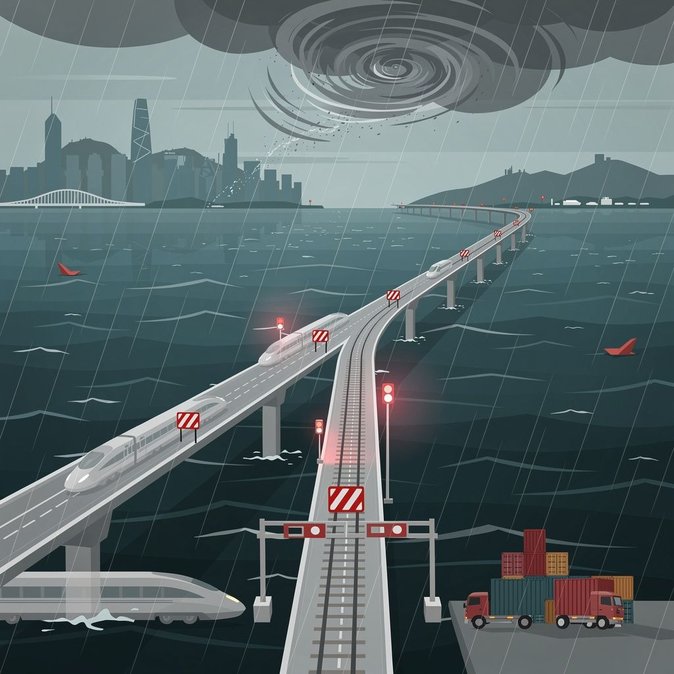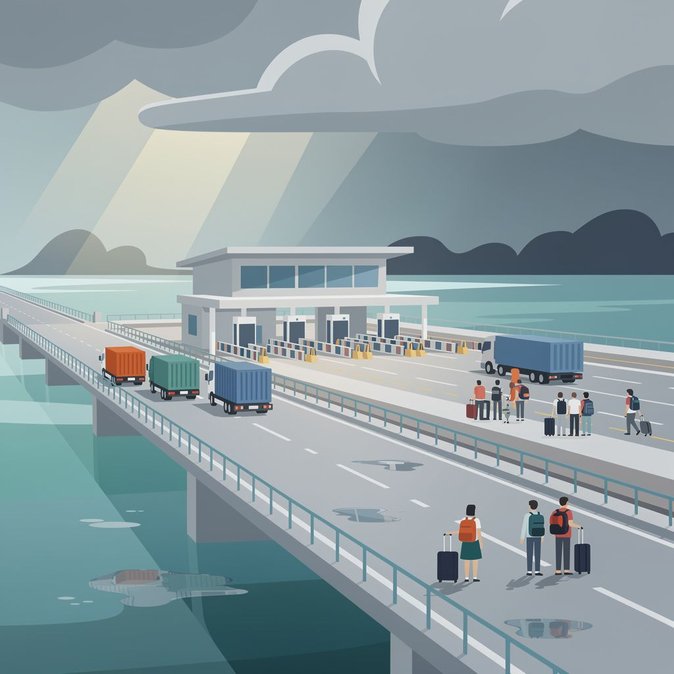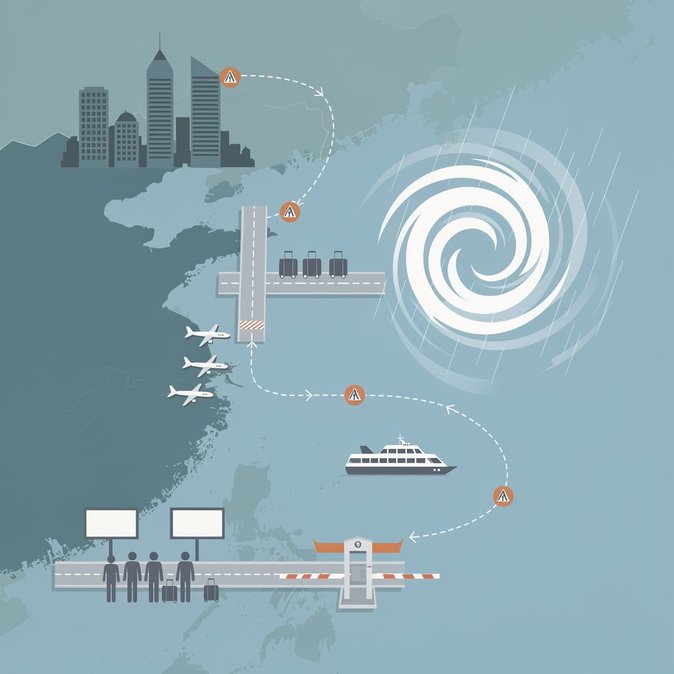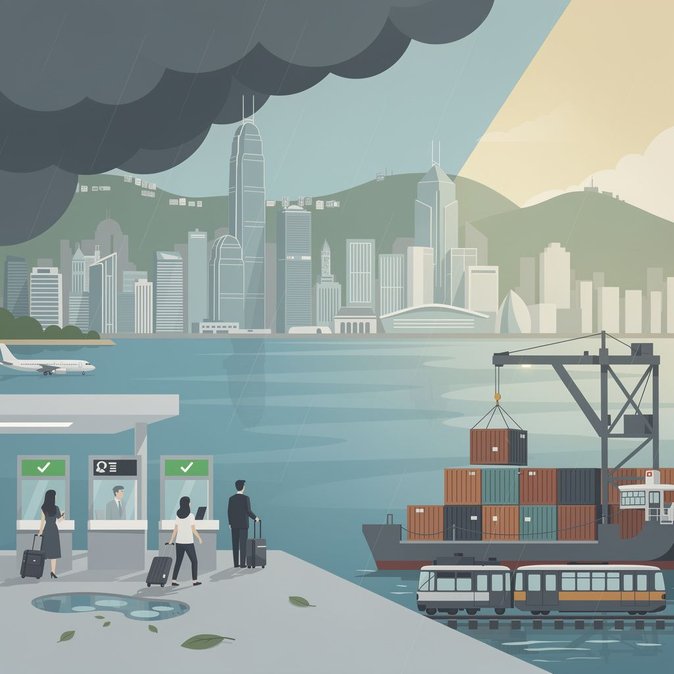
By mid-afternoon on 26 July, the Hong Kong Observatory downgraded its typhoon warning to the No. 3 Strong Wind Signal as Typhoon Hongxia tracked inland. The lower alert allowed government departments—including the Immigration Department and Marriage Registry—to reopen in stages, restoring services that matter to visitors and residents alike. Twenty-nine temporary shelters that had housed 246 people overnight began closing, while public-transport operators restarted limited rail and bus services. Ferry companies announced test sailings to assess sea conditions before resuming regular timetables. The Immigration Department confirmed that all control points would reopen within two hours of the No. 8 signal being lifted, subject to safety checks. Travellers with previously booked ceremony slots at the Marriage Registry were offered free rescheduling, underscoring efforts to mitigate the storm’s impact on life-events and visa deadlines. For mobility managers, the quick restoration highlights Hong Kong’s well-drilled contingency planning. Yet 21 storm-related injuries and more than 300 fallen-tree incidents across the city are a reminder that assignees should maintain robust travel-insurance coverage, particularly during Southeast Asia’s typhoon season. With business normalising, air-cargo terminals have prioritised perishable and medical consignments, meaning routine corporate shipments could still face 24-hour lags. Companies moving time-sensitive hardware or samples should liaise closely with freight forwarders until flight frequencies return to normal.
Source: Xinhua