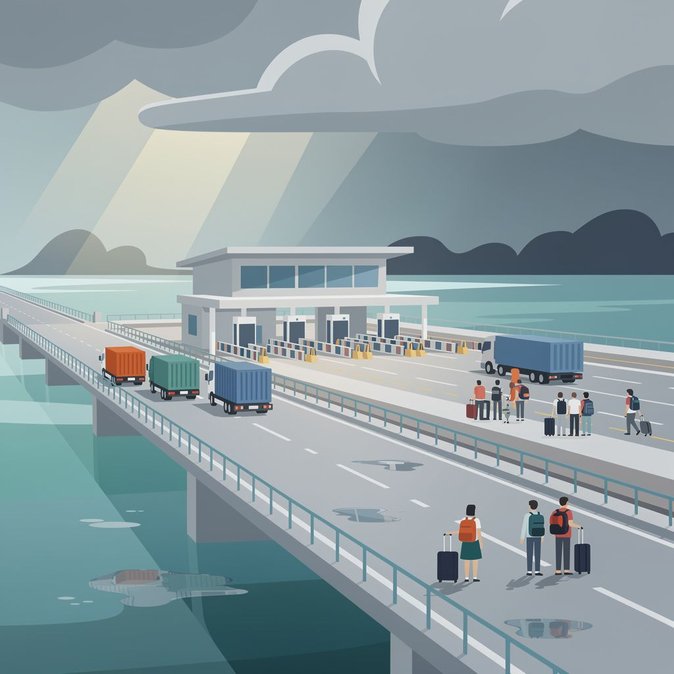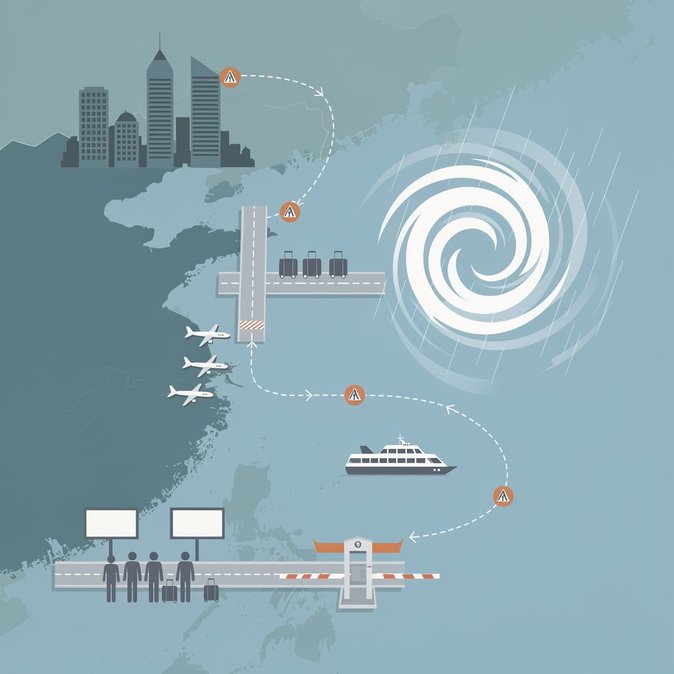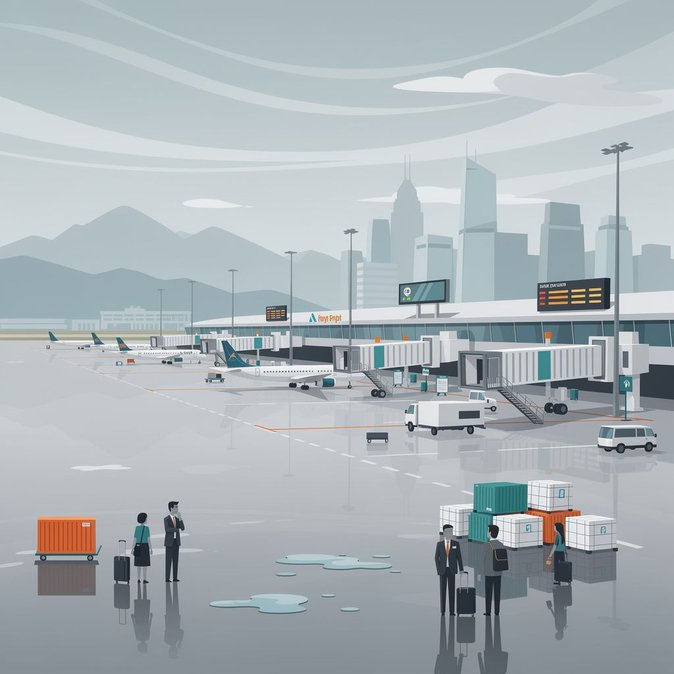
The Hong Kong Observatory cancelled the city’s final storm signal at 7:10 p.m. on Sunday, July 26, after Typhoon Noul moved west-north-west into Guangdong and began to weaken. Airport Authority Hong Kong (AAHK) said 360 flights were grounded on Sunday and another 50 on Saturday, the largest single-day disruption since the city reopened its borders last year. Passenger throughput collapsed during the morning peak as airlines struggled to reposition aircraft and crews. AAHK’s Director of Service Delivery, Yeung Tat-wing, estimated the airport would still handle 675 movements by day-end, but warned knock-on delays would persist into Monday. Business-class lounges remained standing-room-only well into the evening as frustrated travellers awaited re-bookings. Cargo operations were also hit. Several multinational freight forwarders, including DHL and Kuehne + Nagel, reported that time-critical semiconductor and pharma exports had missed onward connections to Europe and North America. The Hong Kong General Chamber of Commerce called on the government and airlines to publish a clear recovery timetable so that exporters can re-route high-value shipments through Shenzhen, Macau or Taipei if necessary. Travel insurers reminded corporate travellers that typhoon-related delays are generally classified as "known events" during the typhoon season; companies without premium cover may have to absorb hotel and re-ticketing costs. Firms with regional headquarters in Hong Kong were advised to activate remote-work protocols on Monday, when squally showers are still forecast. Typhoon Noul struck just as summer convention traffic was ramping up ahead of the International Jewellery Show in early August. Organisers said they would keep registration counters open late on Monday to accommodate delayed exhibitors, but warned that tight build-up schedules could drive up overtime costs for logistics contractors.
Source: South China Morning Post