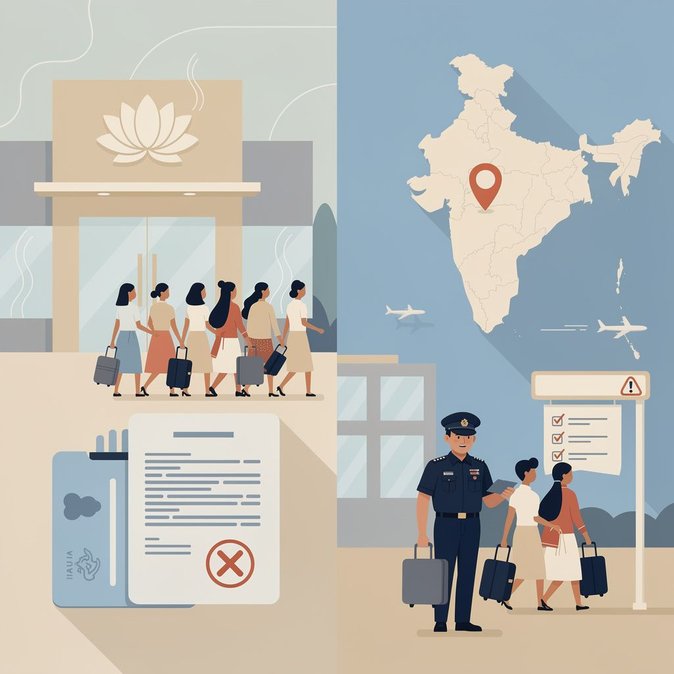
On 27 July 2026, the Embassy of India in Brasília refreshed its OCI documentation checklist, inserting two notable items that affect both Indian-origin Brazilians and expatriates posted to South America. First, the embassy now demands a copy of a valid Yellow Fever vaccination card for all applicants over nine months old. Although Brazil has been free of urban Yellow Fever transmission since 2019, India lists the country as endemic; carrying proof of vaccination avoids quarantine on arrival. Mobility advisers say the new rule closes a loophole that previously allowed some applicants to bypass the vaccine when submitting forms by post. Second, the revised list differentiates between spouses of Indian citizens and spouses of OCI cardholders, spelling out separate evidence pathways. A marriage must be at least two years old, and applicants must attach either the Indian spouse’s passport or, for OCI-spouse cases, a copy of the partner’s existing OCI and the documents originally used to obtain it. The clarification aims to reduce back-and-forth email queries that have delayed processing by up to six weeks. The embassy’s website also reminds applicants that all documents must be self-attested and that originals may be called for at any stage. Companies relocating staff under Brazil-based contracts should verify that family members’ vaccination cards are valid for life; travellers immunised before 2016 may require a booster shot. Industry observers expect other Latin-American Indian missions—particularly in Peru and Colombia—to replicate the Yellow Fever clause within months, standardising health safeguards across the region.