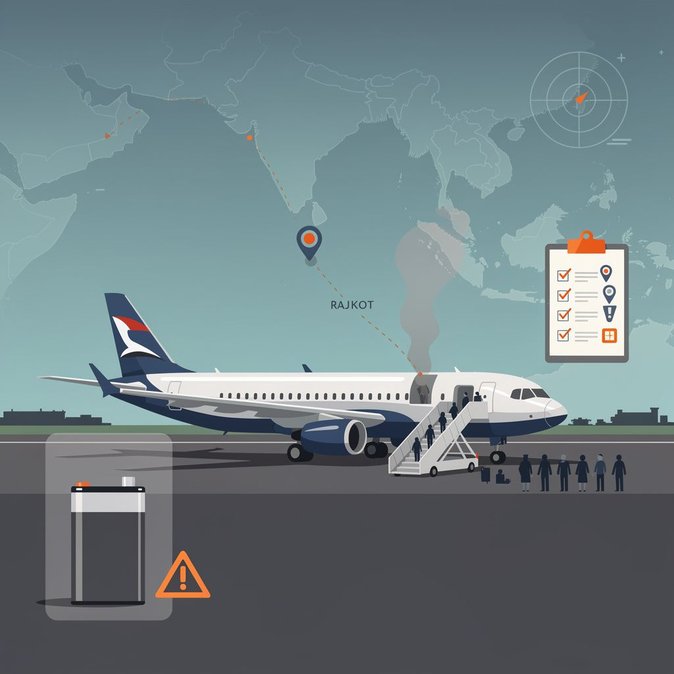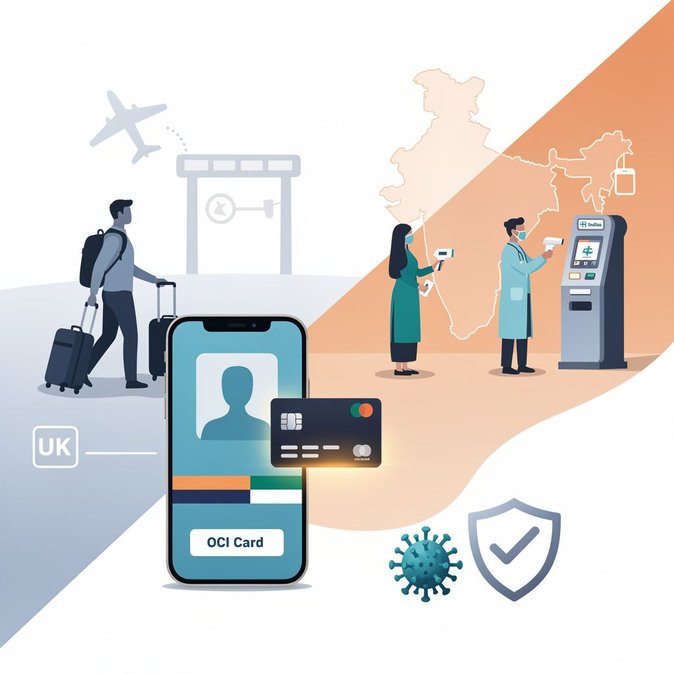
The United Kingdom’s Foreign, Commonwealth & Development Office (FCDO) has refreshed its India travel advisory, time-stamping the guidance at 27 July 2026. In the latest update the FCDO draws travellers’ attention to two new entry formalities introduced by the Indian authorities: 1. Electronic-OCI (e-OCI) acceptance – Travellers who hold Overseas Citizen of India status may now carry only the digitally-downloadable e-OCI instead of the traditional booklet. Airlines and immigration counters have been instructed to accept the QR-coded e-OCI on mobile devices, removing the long-standing requirement to present the physical booklet. This shift dovetails with India’s broader IVFRT modernisation drive and should streamline check-in and arrivals processing for roughly 3.5 million OCI holders worldwide. 2. Ebola health screening & Self-Declaration Form – In response to isolated Ebola outbreaks in Central Africa, India has re-activated airport-based fever checks and a mandatory electronic Self-Declaration Form for all international passengers. Airlines must ensure completion of the form before boarding; failure can lead to denied boarding or delays on arrival as health officials escort passengers to manual kiosks. The advisory reiterates existing cautions against travel within 10 km of the India-Pakistan border and to parts of Jammu & Kashmir and Manipur. Business travellers are reminded that disruptions linked to Middle-East air-space closures continue; rerouting can add several hours to Europe–India flight times and may affect minimum connection times at Indian hubs. Practical implications for global-mobility managers include the need to update travel check-lists, ensure mobile copies of e-OCI cards are stored offline, and brief staff on the renewed health-screening queue at Indian airports. Carriers serving India have begun sending automated emails asking passengers to upload the Self-Declaration Form alongside their API data. Corporates sending UK-based assignees to India—particularly those returning after summer leave—should verify that employees’ OCI details have been ported to the new digital format. Some early users have reported login issues on the OCI portal; contingency planning (such as retaining a PDF copy in cloud storage) is advisable until the system stabilises. The FCDO update is an indicator that other governments will quickly mirror the new Indian requirements in their own advisories, so mobility teams should expect similar notifications from EU and North-American missions over the coming days.