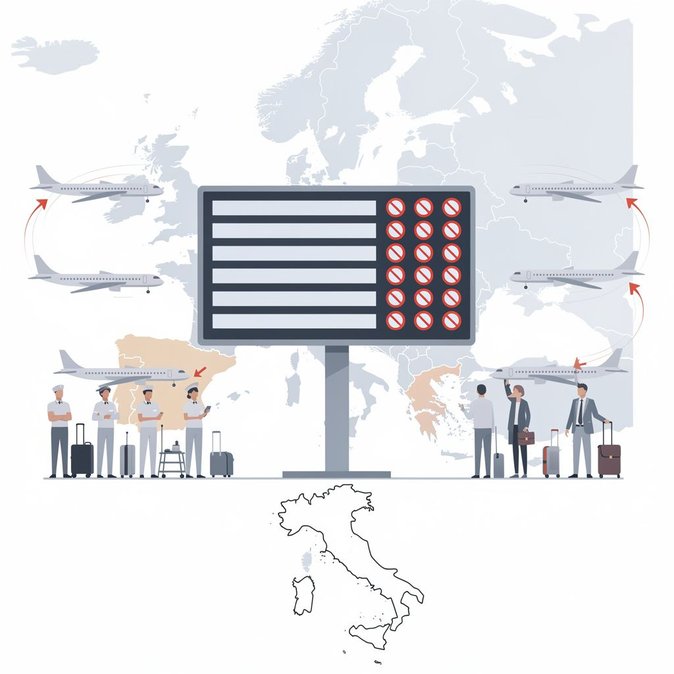
Germany’s Interior Ministry confirmed on 26 July that temporary border controls with neighbouring Schengen states will remain in force until at least 31 December 2026 following the terror attack at Berlin’s Christopher Street Day parade. The suspect, shot dead during a police raid, had travelled through Italy weeks earlier, sparking renewed political debate in Rome on cross-border security and migrant vetting. Transport operators report that spot ID checks have already resumed on some ICE and ÖBB trains linking Munich, Innsbruck and Verona, adding up to 30 minutes to journey times. Motorways at Brenner and Tarvisio are experiencing random inspections, while airlines flying from Italian airports to Germany are advising passengers to arrive an hour earlier for additional document screening. Deputy Prime Minister Matteo Salvini used the incident to call for tighter oversight of Islamic centres in Italy and urged Brussels to allow longer-term reintroduction of internal border controls. Business-lobby Confindustria, however, warned that prolonged checks could disrupt just-in-time supply chains between northern Italy and Bavaria, where many Italian firms maintain distribution hubs. Companies with frequent traveller populations should update their Schengen compliance policies: ensure employees carry both passports and residence cards, review A1 portable-document validity for cross-border workers, and brief staff on potential delays when scheduling same-day meetings. Immigration advisers also expect German police to scrutinise the purpose-of-stay more closely, making invitation letters and proof of accommodation advisable.
Source: Italy Telegraph