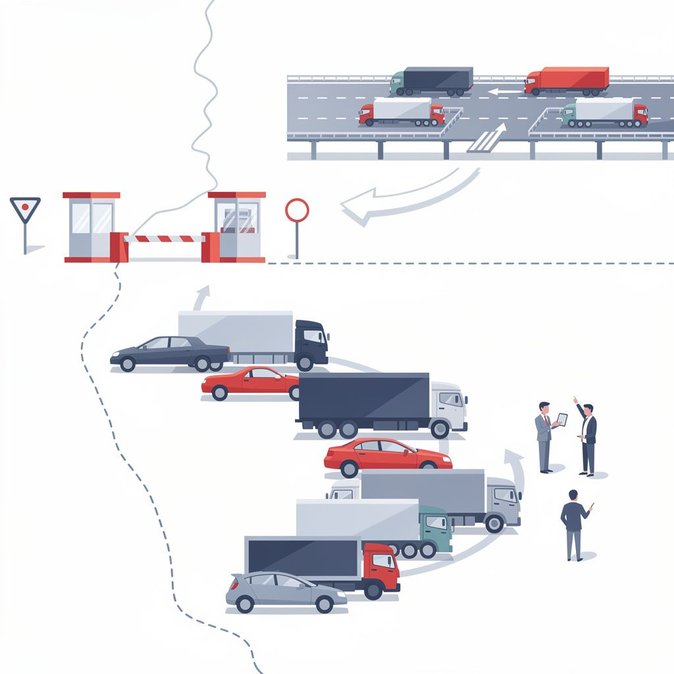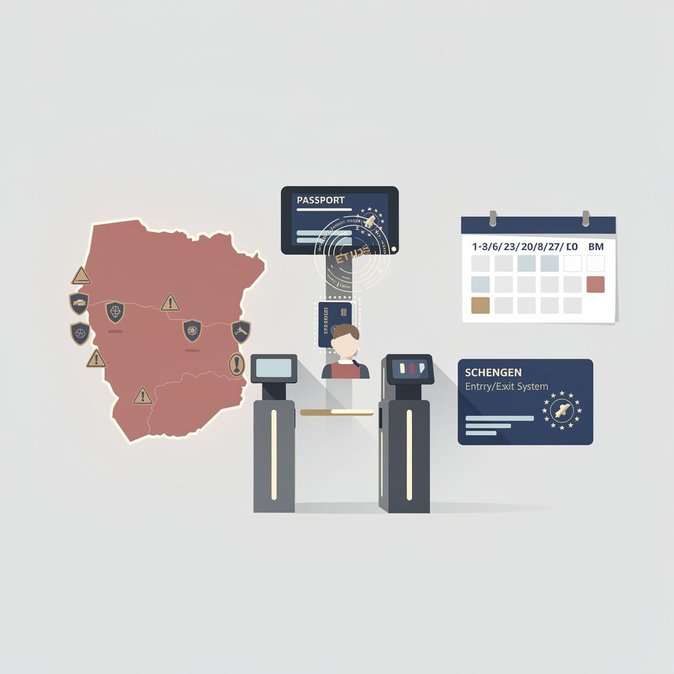
The European Commission’s Directorate-General for Migration and Home Affairs issued a concise explainer on 27 July outlining categories of travellers who do not need to undergo biometric registration in the Schengen Entry/Exit System (EES), which has been fully operational since 10 April 2026. The notice comes after the system logged more than 145 million crossings in its first three months and as Member States, including Poland, prepare for the complementary ETIAS authorisation in late 2026. Exempt groups include holders of long-stay visas or residence permits issued by an EES country, family members of EU and EFTA citizens who hold residence cards, and nationals of micro-states such as Andorra, Monaco and San Marino. Long-stay visas or permits from Cyprus or Ireland—non-EES states—do not qualify for the exemption. Travellers who fall outside these carve-outs must continue to provide fingerprints and a facial image, with data stored for up to three years. For Polish airports and land borders the clarification helps frontline staff and carriers explain why certain passport holders are waived through the biometric booths while others must enrol. Carriers remain responsible for performing pre-departure EES compliance checks, and failure may trigger fines under Poland’s Border Protection Act. Corporate mobility teams should update travel guidelines to advise residence-permit holders to carry their cards even on short trips, as forgetting the document could trigger unnecessary EES enrolment and longer queues. The guidance is also relevant for cross-border commuters between Poland and Germany or Slovakia who frequently exit and re-enter the Schengen Area for client work outside the bloc. Finally, the Commission reminds travellers that EES is a stepping-stone to ETIAS: visa-exempt visitors to Poland will soon need to obtain the €20 electronic authorisation before departure, with a lead-time of 96 hours recommended during the initial rollout.
Source: European Commission – DG HOME