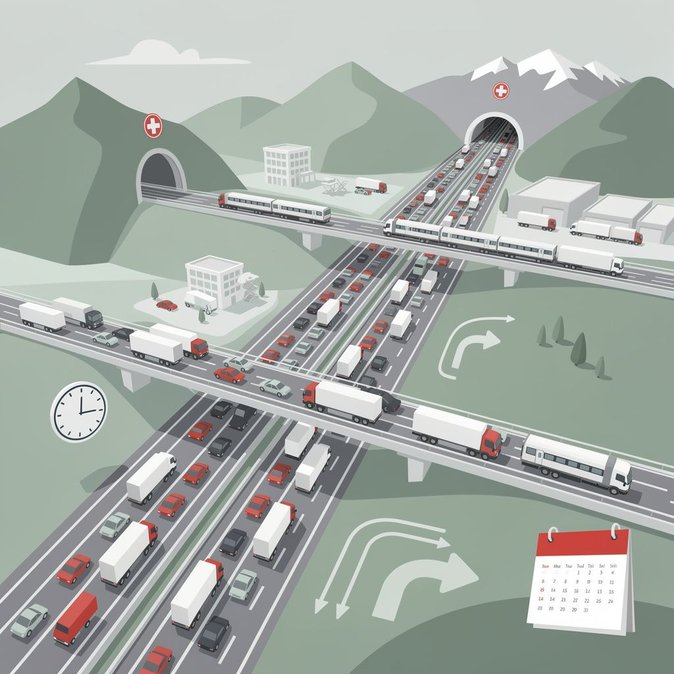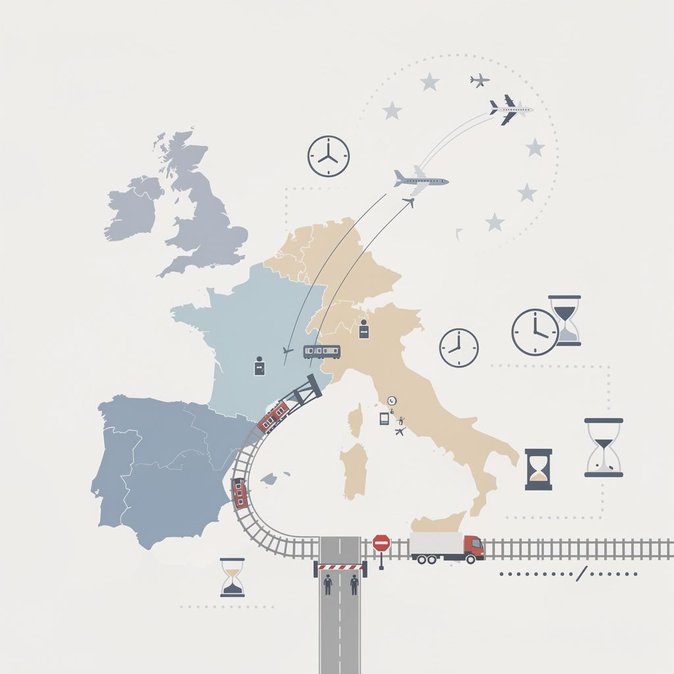
Only hours after Spanish authorities deployed troops to the enclave of Ceuta to stem an unprecedented maritime influx of several thousand migrants, Italy’s Council President Giorgia Meloni announced that the country will “suspend the Schengen agreement with Spain for one month” and introduce document checks on all air, sea and land links coming from Spanish territory. The move, confirmed late on 31 July 2026 by Interior-Ministry officials in Rome, is the first time an EU member has singled out another Schengen partner in this way and immediately sparked a diplomatic row with Madrid. For Switzerland—which is part of the Schengen area but not the EU—the ramifications go well beyond politics. Swiss International Air Lines operates up to nine daily flights to Spain via its Milan and Zurich hubs, while SBB and Trenitalia jointly run high-speed services that carry more than 2 000 passengers a day between Basel, Zurich, Milan and Barcelona. Aviation sources told *Le Temps* that Italian border police intend to board selected intra-Schengen flights at Milan Malpensa and Rome Fiumicino to carry out passport scans and biometric cross-checks. Carriers have been warned to expect longer turnaround times and have been asked to ensure that crew members have valid travel documents with at least three months’ validity. Business-jet operators using Geneva and Lugano say they are already fielding calls from corporate travel managers seeking clarification. Swiss freight companies will also feel the pinch. Roughly 18 % of the 10 000 lorries that cross the Swiss-Italian frontier at Chiasso every day continue onward to Spanish logistics hubs such as Zaragoza and Valencia. Customs agents in Chiasso and Basel told *swissinfo.ch* they expect queues to lengthen on the Italian side as additional paperwork is inspected. Small and medium-sized exporters—especially pharma firms in Basel-Land and watchmakers in Jura—fear delivery delays just ahead of the critical autumn trade-fair season. The Federal Department of Foreign Affairs (FDFA) updated its travel advice late Friday, urging Swiss nationals who plan to transit Italy en route to Spain to “factor in additional time for identity checks” and to carry proof of accommodation and sufficient funds. The FDFA also reminded travellers that onward connections inside Spain may be disrupted if they miss a tight connection in Milan or Rome. Zurich-based tour operator Hotelplan has already offered no-cost re-booking for 1 200 customers scheduled to travel to the Spanish mainland in the first week of August. Legal experts note that Article 25 of the Schengen Borders Code allows a member state to re-introduce internal border controls for up to 30 days in cases of “serious threats to public policy or internal security”, but they warn that a unilateral measure aimed at another Schengen country is likely to face challenges in Brussels. Regardless of the eventual legal outcome, the episode underlines how rapidly political flashpoints at Europe’s external borders can reverberate throughout the continent’s highly integrated mobility system—and why Swiss companies with pan-European supply chains need robust contingency plans.