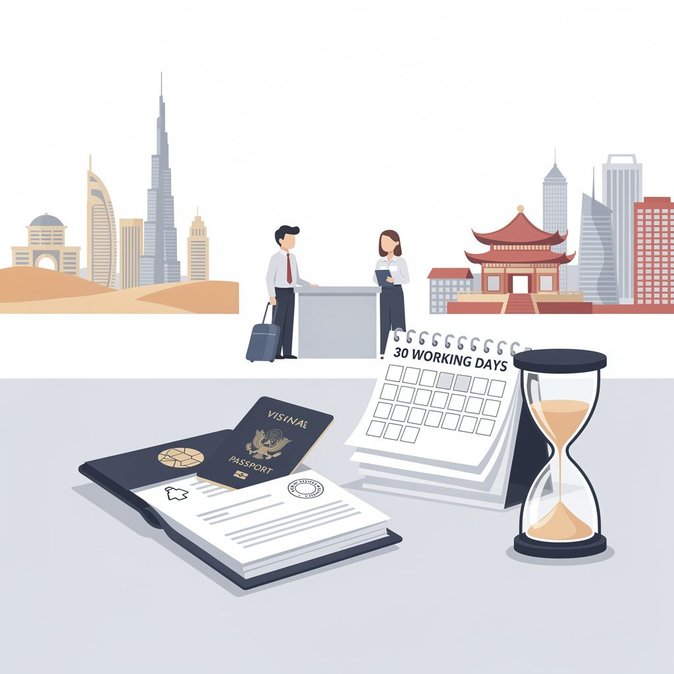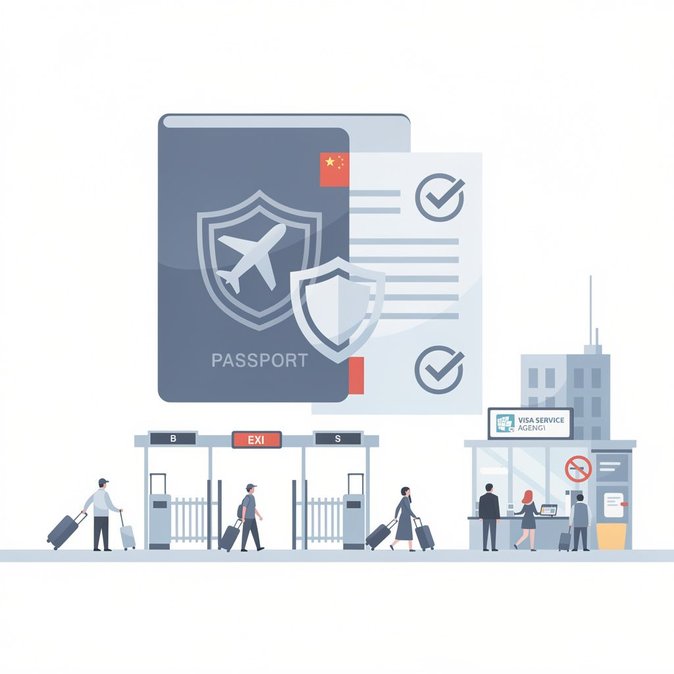
China’s Ministry of Public Security has quietly published a new set of administrative regulations governing the exit of Chinese citizens and the entry of foreign nationals. According to the text circulated online late on 31 July 2026, the “Exit-Entry Management Regulations (2026)” will come into force on 15 September 2026 and replace several scattered departmental notices that have guided practice since the 2023 post-pandemic reopening. The 19-article regulation clarifies—in one consolidated document—the grounds on which authorities may refuse exit to Chinese nationals or refuse entry to foreigners. For Chinese citizens, outbound travel can be denied for reasons ranging from national-security investigations to outstanding civil-debt enforcement; the new rules also add language allowing border inspectors to block departures deemed to threaten “national interests in sensitive industries”. For foreign travellers, the regulation formalises a five-year entry ban for anyone who submits fraudulent visa materials, disrupts border control procedures, or is placed on China’s anti-sanctions or “unreliable-entity” lists. It also empowers immigration officers to conduct on-the-spot electronic-device inspections when they have “reasonable suspicion” of national-security or public-health violations. Practically, the biggest change for multinationals and global mobility managers is the codification of a discretionary 30-day “cool-off” period for foreigners found to be working remotely in China without the proper Z-work permit. Under the new Article 12, such individuals may apply for a one-time stay-permit conversion while they regularise their work authorisation or arrange to depart; repeat offenders face a mandatory exit order and a multi-year re-entry bar. HR departments should therefore review the visa status of assignees who split time between home offices and clients on the mainland. The regulation also tightens documentation checks for “frequent exit-entry personnel”, a category that explicitly covers cross-border executives shuttling between Hong Kong, Macau and neighbouring Guangdong. Travellers in this group will need to carry proof of their business purpose—such as meeting invitations or commercial-registration certificates—each time they cross. Although the National Immigration Administration (NIA) says processing will remain “paper-less where possible”, companies should expect longer queues during the initial implementation weeks. Finally, the regulation signals that more detailed implementing guidelines are on the way. The NIA has opened a 30-day public-comment window (1 August–30 August) and says it will issue FAQs on how the rules interact with existing visa-waiver programmes such as the Hainan 30-day scheme and the 240-hour transit-without-visa policy. Mobility managers—in particular those who rely on short-term rotation models—should monitor those clarifications closely and update pre-trip compliance checklists before mid-September.