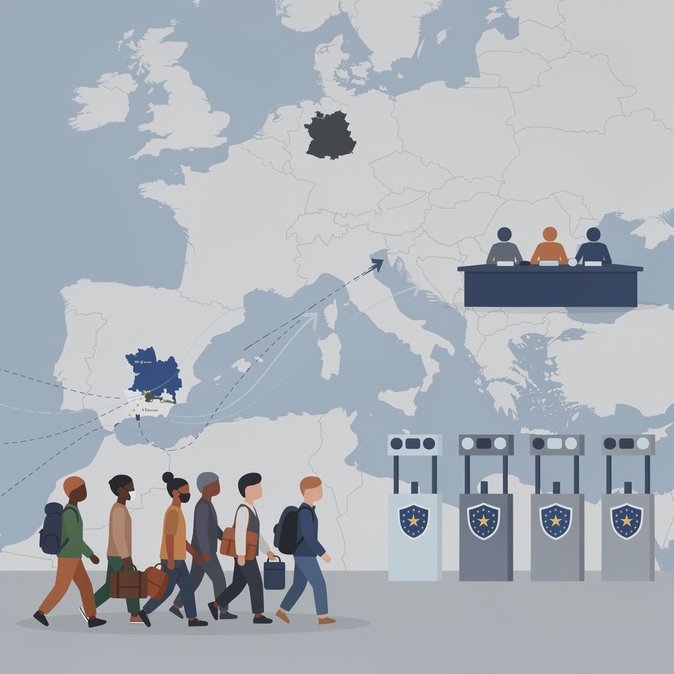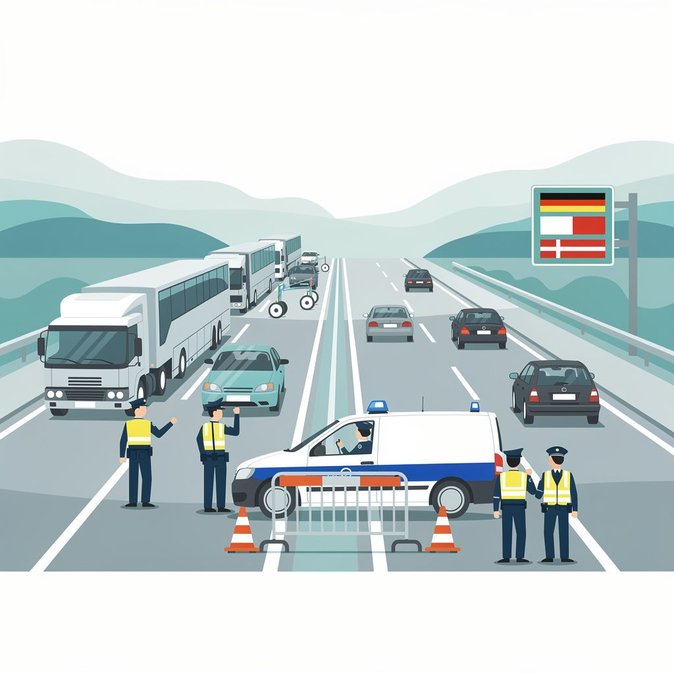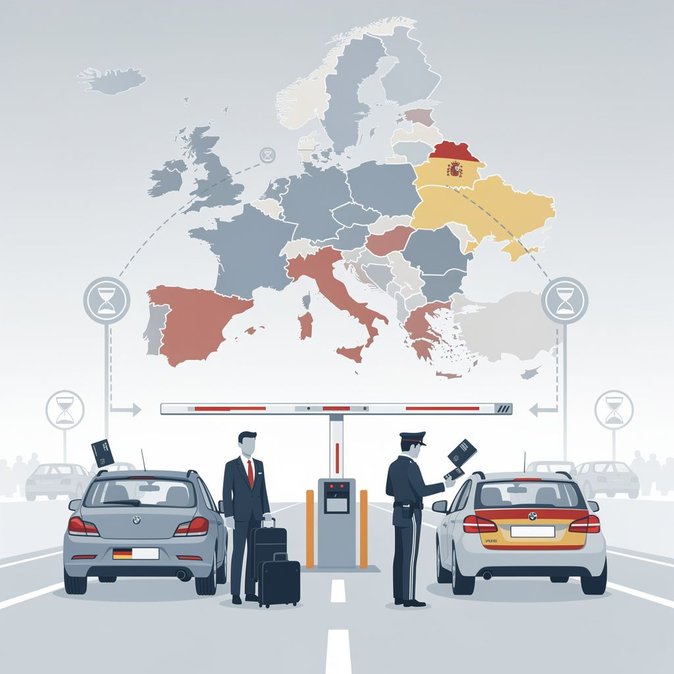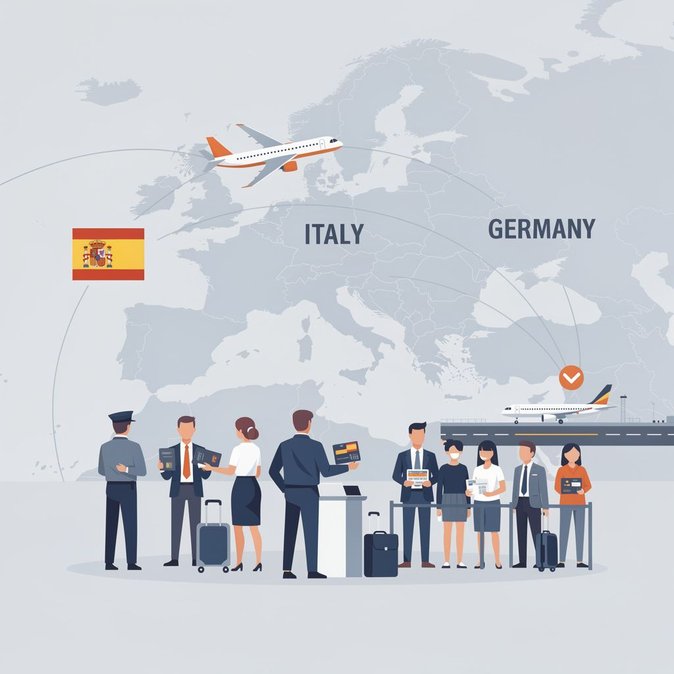
Frankfurt, Munich and Düsseldorf airports on Saturday warned passengers to allow additional time for check-in and connections after Italy’s decision to re-impose passport controls on all air and sea arrivals from Spain ripple through European hub operations. Although Germany has not copied Rome’s suspension of Schengen rules, the Federal Police (Bundespolizei) confirmed to news agency dpa that random outbound-document inspections were stepped up overnight on flights routing through Italian territory. The move follows Italy’s 31 July decree—prompted by the Ceuta crisis—temporarily suspending the free-movement pact for one month. Lufthansa and Eurowings, which jointly operate more than 260 weekly sectors between Germany and Italy, said they expect “minor schedule adjustments” as aircraft dwell longer on the ground while ground handlers perform boarding-pass and ID checks normally handled at immigration checkpoints. Cargo carriers reported early signs of knock-on delays to belly-hold consignments, an unwelcome development at the start of the peak perishables season. Travel-management companies told clients that passengers connecting in Frankfurt from Spanish airports should carry hard-copy or electronic proof of accommodation, return tickets and, where applicable, German residence permits. In previous Schengen suspensions these documents were rarely requested, but anecdotal reports from Milan Malpensa on Saturday morning suggested that German residents without a physical Aufenthaltstitel card were taken aside for secondary checks. The German Travel Association (DRV) urged Rome to provide clear timelines, noting that German tourism to Italy exceeded 14 million overnight stays in 2025 and short-notice rule changes create “significant compliance costs” for tour operators. Business-immigration advisers also flagged potential ETIAS data-mismatch risks if carriers begin manual checks outside the automated systems on which corporate mobility programmes rely. While the Italian measure targets Spain, its operational impact on Germany illustrates how unilateral Schengen suspensions by one member state can disrupt network carriers and multinational assignees far beyond the borders concerned. Companies should brief travelling staff, update duty-of-care protocols and monitor further notices from the Bundespolizei and the Interior Ministry in the coming days.