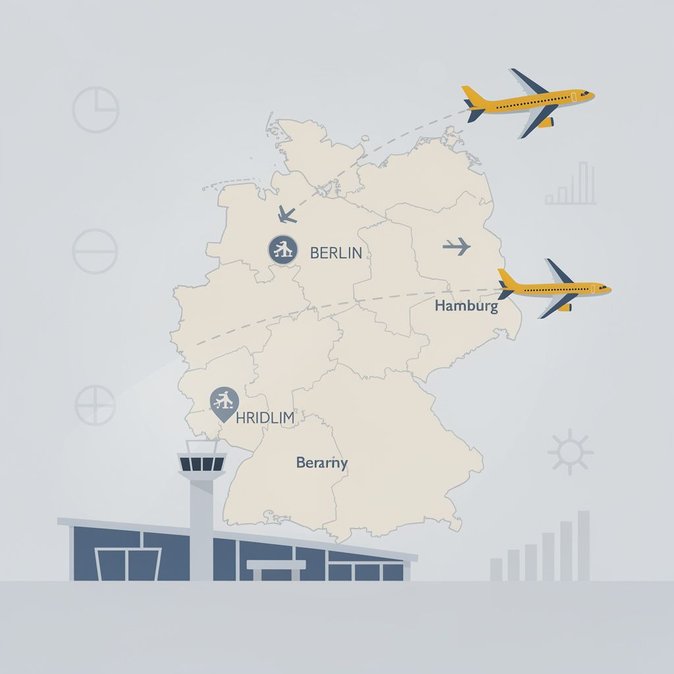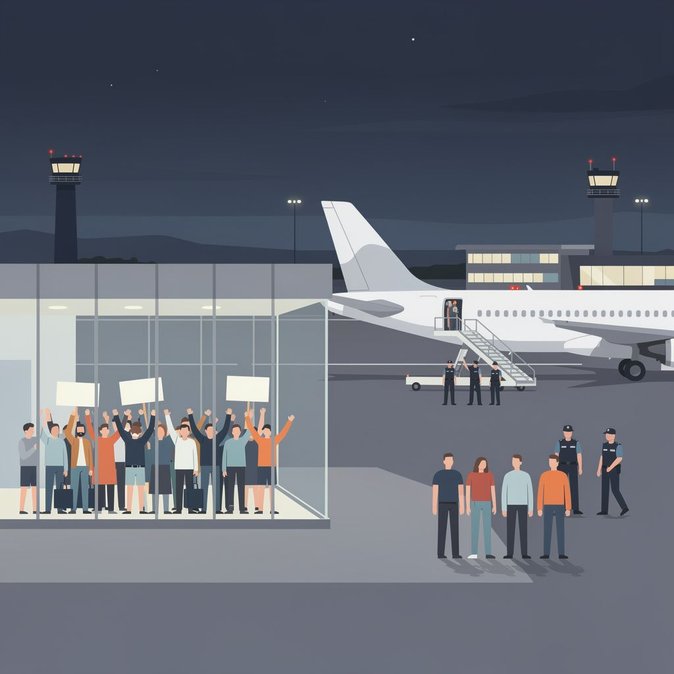
In the early hours of 28 July 2026 a charter aircraft carrying some 30 Afghan nationals took off from Leipzig/Halle Airport bound for Kabul, triggering the largest deportation-related demonstration Germany has seen this year. According to Saxony’s Interior Ministry, all passengers had been convicted of multiple or serious offences in Germany, including violent and terror-related crimes. Interior Minister Armin Schuster defended the operation, arguing that “public safety outweighs any residence interest of serious offenders.” Roughly 250 activists gathered inside the terminal late Monday night, chanting “No deportations to the Taliban” and accusing the federal government of negotiating “dirty deals” with Afghanistan’s de facto rulers. The protest remained peaceful but required a substantial police presence; officers cordoned off the departure area and escorted the detainees through a side entrance to avoid direct confrontation. The flight underscores Chancellor Merz’s harder line on irregular migration—dubbed the “Migrationswende”—which combines tougher border checks, a revamped Skilled Immigration Act to attract qualified workers, and accelerated removals of convicted foreigners. Critics argue that returns to Afghanistan violate Germany’s own human-rights commitments given the Taliban’s track record. Juliane Nagel, a Left Party MP from Saxony, called the removal “shameful”, noting that independent monitors still classify Kabul as unsafe for returnees regardless of criminal background. Business-mobility managers are monitoring developments closely. Although deportations target a different migrant cohort, the broader enforcement push often leads to heightened checks on work visas and residence permits at German airports, creating occasional disruptions for legitimate travellers. Some global firms with Afghan staff on short-term assignments in Germany have already requested legal briefings to reassure employees that the crackdown does not extend to compliant visa holders. Policy analysts expect deportation flights to continue. The Federal Interior Ministry has budgeted for at least six additional charters before year-end, potentially expanding points of departure to Frankfurt and Munich. Companies that depend on business travel through Leipzig/Halle may need contingency plans on nights when removal operations are scheduled, as parts of the terminal could be closed off for security reasons.
Source: ARD tagesschau