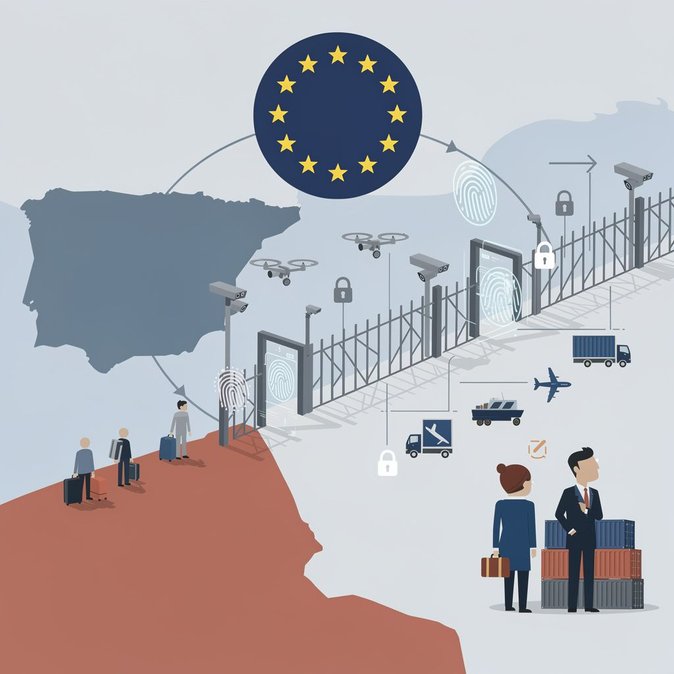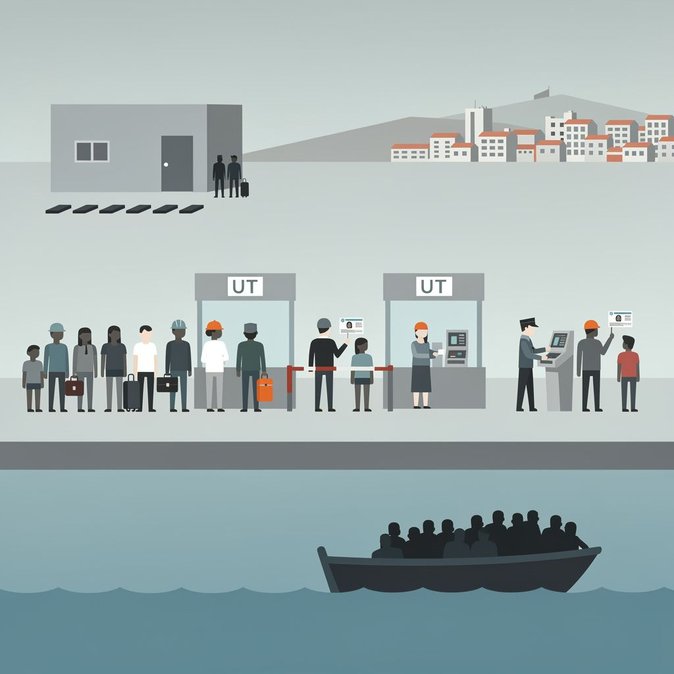
A rolling live blog from El País on Sunday afternoon confirmed that 88 bodies have now been recovered following last week’s unprecedented border breach. While the central government sticks to a ‘confirmed’ figure of 72, local officials in Ceuta’s forensic institute say further remains continue to wash ashore, complicating identification and repatriation. In response, the Interior Ministry has ordered spot ID controls within Ceuta’s city limits—effectively creating concentric rings of verification beyond the formal border. Residents and accredited workers must carry national ID at all times; visitors face random checks at road checkpoints on the sole coastal highway linking the port, industrial zone and tourist areas. For intra-Spain business travel, the new regime means anyone flying into Ceuta via the Helicopter Service from Algeciras, or arriving by sea, should budget extra time for on-arrival screening. The regional health authority is also requiring passenger manifests 24 hours in advance so that epidemiological teams can track potential waterborne infections among survivors. The spiralling death toll is fuelling calls from opposition parties for an independent inquiry. Corporate duty-of-care managers should note that legal exposure could extend to contractors providing food, shelter or transport if negligence is proven. Companies housing expatriate staff in company accommodation are advised to review security escorts and mental-health support. With August traditionally the peak rotation month for short-term assignments, HR teams should consider deferring non-essential trips to Ceuta until after the EU-convened ministerial on 4 August clarifies border-management responsibilities.
Source: El País