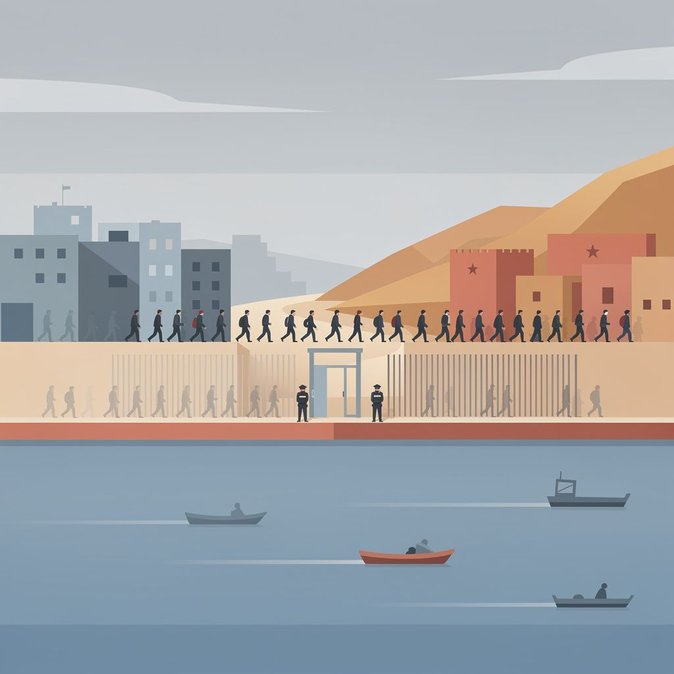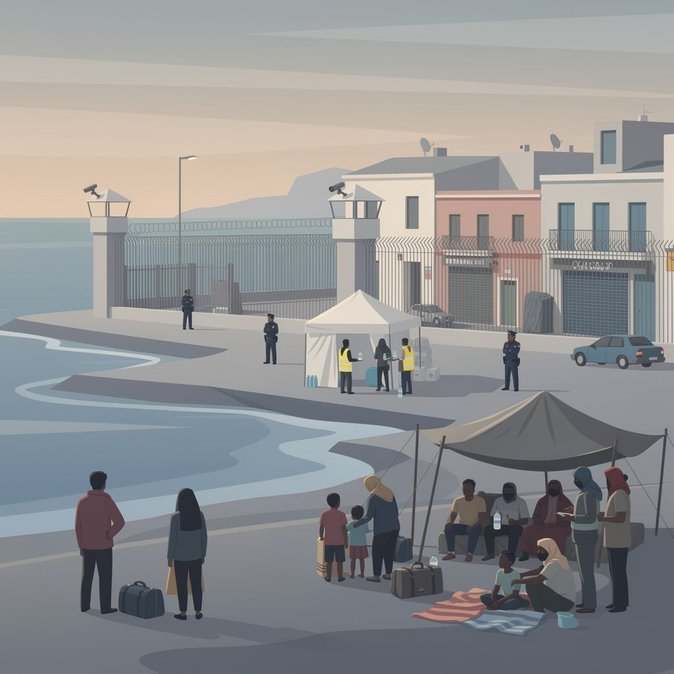
By Sunday morning, 2 August, the streets of Ceuta were once again passable, but the psychological shock of the previous 72 hours lingers. According to the Spanish delegation in the enclave, more than 90 % of the estimated 60,000 migrants who entered have voluntarily returned to Morocco, many aboard buses chartered by Rabat. The exodus leaves behind 4,000 people—primarily unaccompanied minors and those claiming international protection—now sheltered in makeshift facilities at the military barracks and a converted trade-fair hall. For local authorities, the priority has shifted from riot control to humanitarian management. The Health Ministry has dispatched mobile clinics while the Interior Ministry has flown in 200 additional asylum officers. Processing will be triaged: minors first, followed by manifestly well-founded asylum claims, then expedited returns under the 1992 readmission agreement with Morocco. From a global-mobility perspective, companies with staff posted in Ceuta must navigate curfews, roadblocks and possible internet outages as security forces sweep neighbourhoods for remaining entrants. Insurance firms are reassessing ‘war and civil commotion’ clauses, and risk managers are updating evacuation protocols. Politically, the crisis has energised Spain’s far-right Vox party, which staged a rally Saturday that drew counter-protests from residents fearing xenophobic backlash. Prime Minister Pedro Sánchez has asked Brussels for emergency funds under the Solidarity Clause, while NGOs call for an EU-wide relocation mechanism. Although ferries and the bulk of commerce are restarting, analysts warn that spontaneous returns could just as quickly reverse if rumours of an ‘open border’ revive. Employers are advised to brief travelling staff on ID requirements and maintain real-time contact lists in case of renewed unrest.
Source: Associated Press