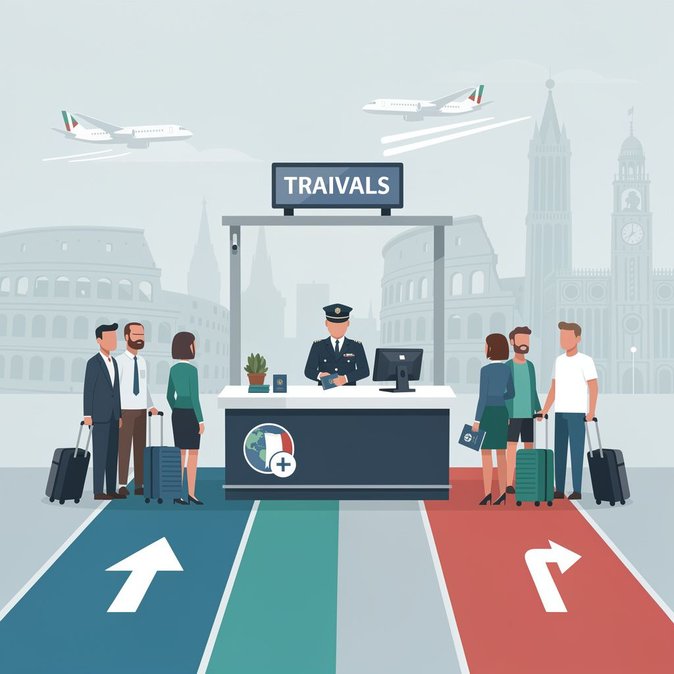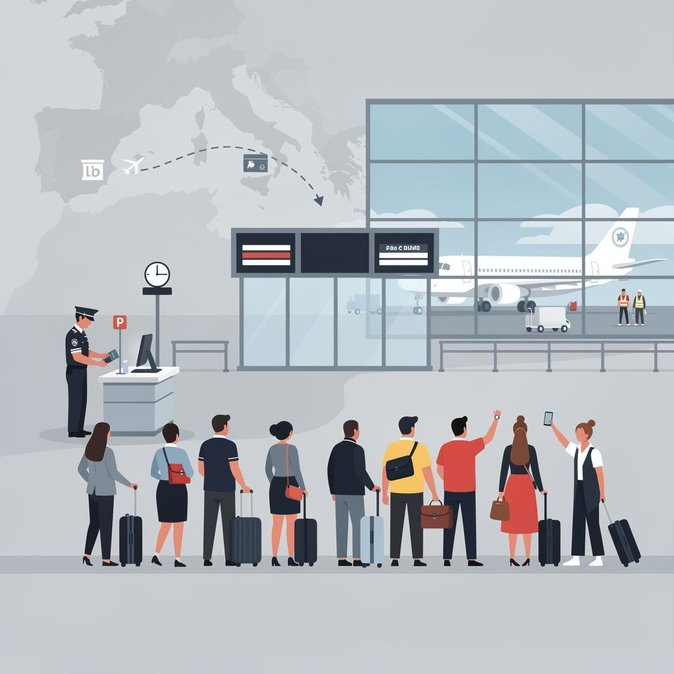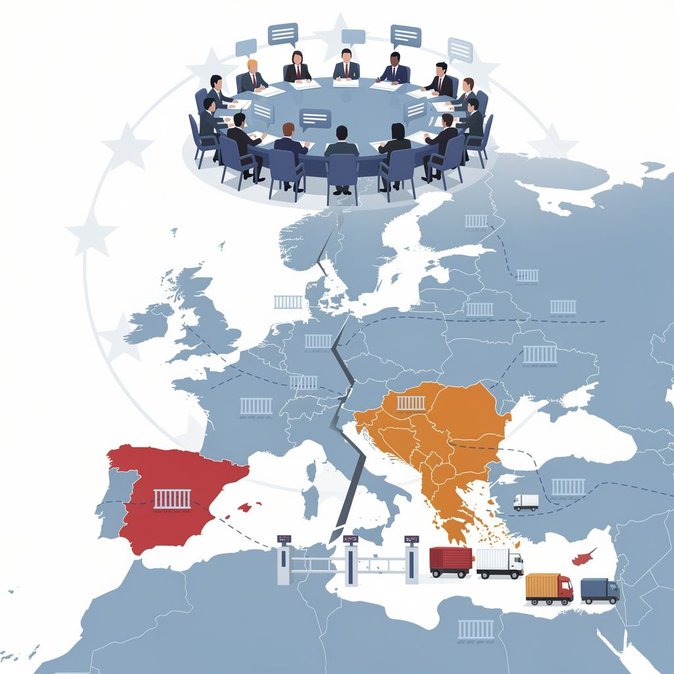
Italy’s government has invoked the safeguard clauses of the Schengen Borders Code to restore passport controls on all air and sea routes arriving from Spain for an initial 30-day period. Interior Minister Matteo Piantedosi signed the decree late on 1 August after dramatic scenes in Spain’s North-African enclave of Ceuta, where an estimated 50,000–60,000 people crossed from Morocco in less than 48 hours. The Meloni administration argues that the Ceuta incident proves Spain has “lost operational control” of part of the EU’s external frontier and that secondary movements toward Italy therefore constitute “a serious threat to public order and internal security.” From the first flights on Saturday morning, police at Rome-Fiumicino, Milan-Malpensa, Venice and Naples began random document checks at jet bridges and gates. EU citizens need only show a national ID, but third-country nationals must present passports plus any Italian (or EU) residence permits or Schengen visas. Carriers have been told they will be fined for boarding passengers who cannot meet Italy’s entry requirements, prompting several airlines to activate “Spain desks” at departure airports for additional screening. Business-travel stakeholders warn of immediate operational headaches. Airlines must re-programme departure control systems to identify Spain-originating passengers, while corporate travel managers are fielding calls from assignees on Iberian projects unsure whether meetings in Milan can proceed. ForwardKeys estimates that 22 percent of Italy-bound seats this month originate in Spain; any systematic gate inspections could add 30-45 minutes to the average arrival process and push airport staffing beyond summer-high capability. For now, exports and freight are unaffected, but logistics operators stress that crew who dead-head on passenger flights could be caught by the new regime if they hold non-EU passports. The decree allows extensions in renewable 15-day blocks, meaning multinational companies should prepare contingency plans at least through the first week of September. Italy has also hinted the measure could be lifted sooner if the EU agrees a coordinated response at the emergency Justice and Home Affairs (JHA) videoconference scheduled for Tuesday. In the broader policy picture, Italy is using the crisis to press for faster implementation of the new EU Pact on Migration and Asylum and tougher returns policy. Whether the strategy yields long-term reforms or merely short-term travel disruption will become clearer as Brussels deliberates in the coming days.
Source: Associated Press