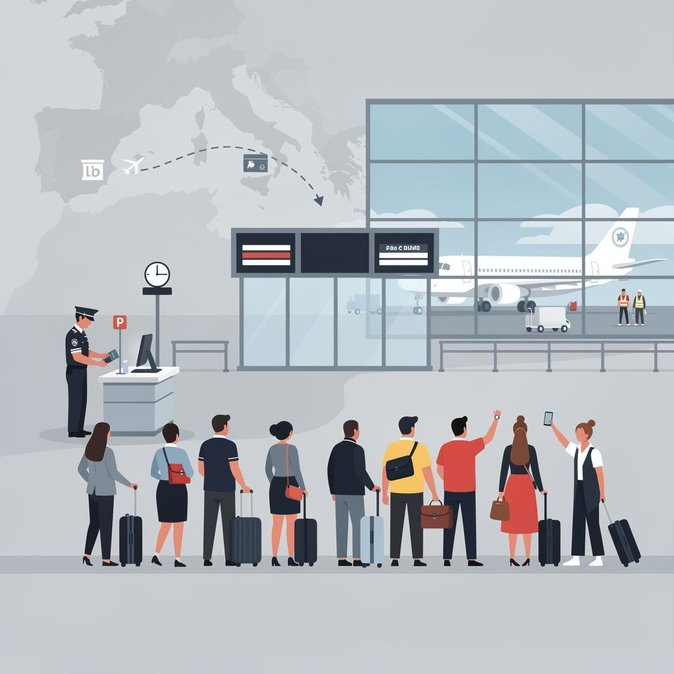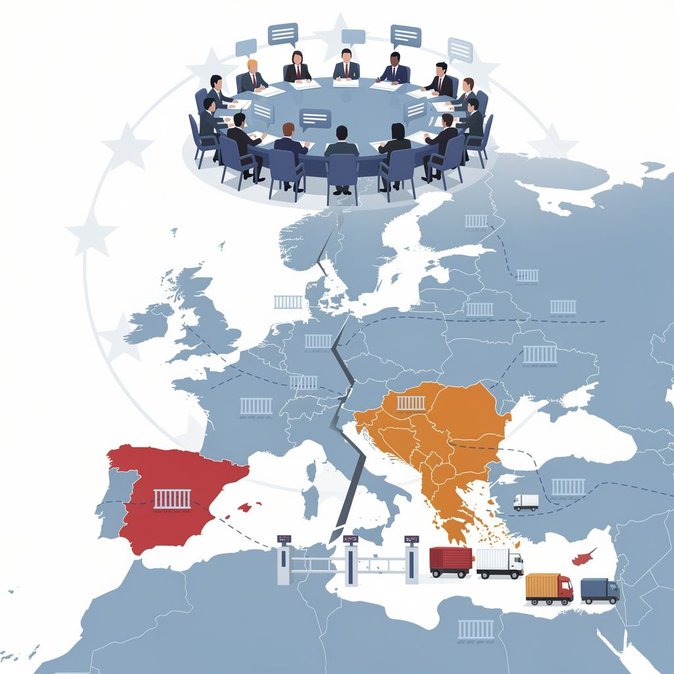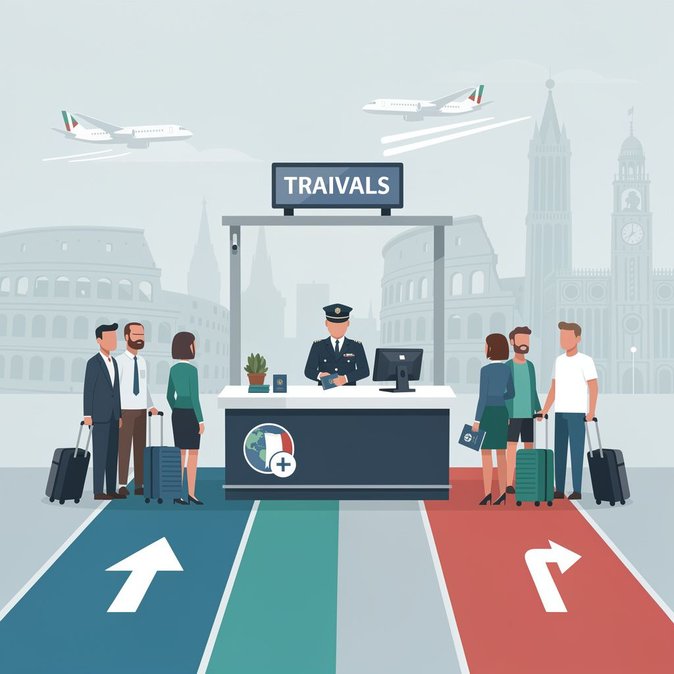
Just hours after Rome’s surprise announcement, Euronews obtained the operational circular that is guiding airport and port authorities. The document clarifies that the measure is not a full suspension of Schengen but a targeted re-introduction of identity controls under Article 25 of the Borders Code. Non-EU passengers arriving from Spain must be prepared for secondary screening that can include proof of accommodation, return tickets and financial means—essentially a mini-visa interview at the gate. Airports have scrambled to adapt. At Fiumicino, Border Police redeployed 60 officers from land-side duties to the E-concourse, while Milan-Linate revived dormant booths once used during the pandemic. Car-hire companies report spikes in one-way rentals from Barcelona and Valencia as travellers seek to re-route via southern France to avoid direct flights. For corporate mobility teams, the immediate action points are clear: • Verify that posted workers flying from Spain hold their Italian soggiorno cards or D-type visas and carry employment contracts in case of questions. • Alert visitors on ESTA/ETIAS-style visa waivers that the usual “EU domestic” feel of Spain–Italy flights no longer applies; passports must be on hand and valid for at least three months. • Expect possible knock-on delays on connecting flights, particularly the morning wave of North-Atlantic arrivals that transit Madrid or Barcelona. Italian authorities insist that data capture remains proportionate—yet privacy officers note that any manual stamping of passports will reset Schengen-stay clocks, complicating 90/180-day calculations for frequent consultants. Travel-risk managers should monitor upcoming JHA guidance, because the circular envisages “possible expansion” of checks to rail links if migration flows shift toward France-Italy corridors.
Source: Euronews