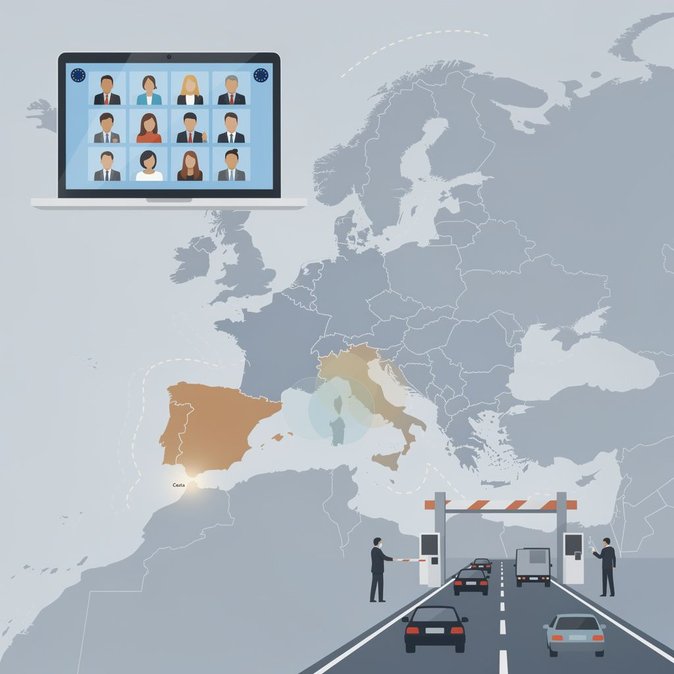
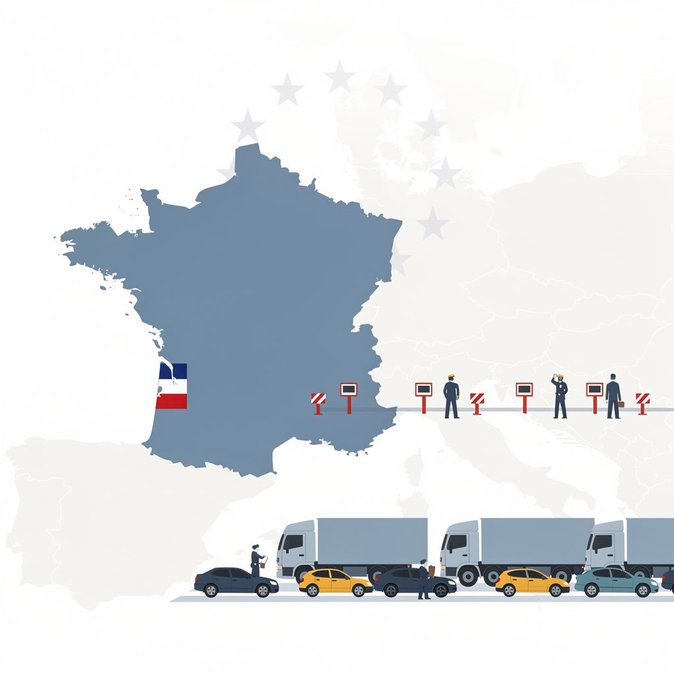
Interior ministers from the EU-27 gathered by videoconference on 4 August 2026 to analyse last week’s unprecedented mass crossing of almost 50,000 Moroccan nationals into the Spanish enclave of Ceuta. Although the group returned voluntarily within 24 hours, the incident has reignited a long-simmering debate over how – and how far – Schengen countries should police their shared borders. France came to the meeting with a clear message: the Schengen area must remain functional for legitimate business and leisure travel, but member states need the political space to re-impose targeted checks when sudden inflows threaten security or public order. Paris therefore endorsed Spain’s request for additional Frontex personnel at the EU’s southern frontier, while at the same time defending its own practice of random checks on the Franco-Italian and Franco-Spanish land borders – a measure France has maintained continuously since the 2015 terror attacks. Behind the scenes, French officials are keen to avoid a repeat of the 2023–24 winter season, when ad-hoc border re-closures triggered multi-day lorry queues that cost manufacturers an estimated €110 million in lost output. The Interior Ministry now proposes a Schengen ‘mobility impact assessment’ that would oblige any country re-introducing internal controls to spell out the likely effects on supply chains and commuter traffic, and to coordinate mitigation (e-gate fast lanes, expanded trusted-traveller programmes) with its neighbours. Corporate mobility managers should watch the dossier closely. If endorsed by the European Commission this autumn, the French proposal would for the first time connect security-driven border measures with service-level guarantees for cross-border workers and just-in-time shipments. Multinationals with French operations could gain greater predictability – but will also need to map their personnel flows so they can demonstrate ‘essential travel’ status during future flare-ups. In the shorter term, travel to and from France is unaffected: there are no new formal restrictions, and air/rail services are operating normally. However, companies should alert assignees entering France via Spain that spot checks are likely to intensify over the next few weeks and to carry proof of accommodation and onward travel at all times.
Source: Le Monde
How VisaHQ can help
VisaHQ simplifies the visa application process for individuals and businesses. Check current travel requirements, prepare the required documents and manage your application online through the VisaHQ France portal.More From France
View all
Air France-KLM Flying Blue launches fresh August promo rewards – up to 25 % fewer miles on key business routes
EU interior ministers call emergency talks after Ceuta migrant surge; France signals longer border checks