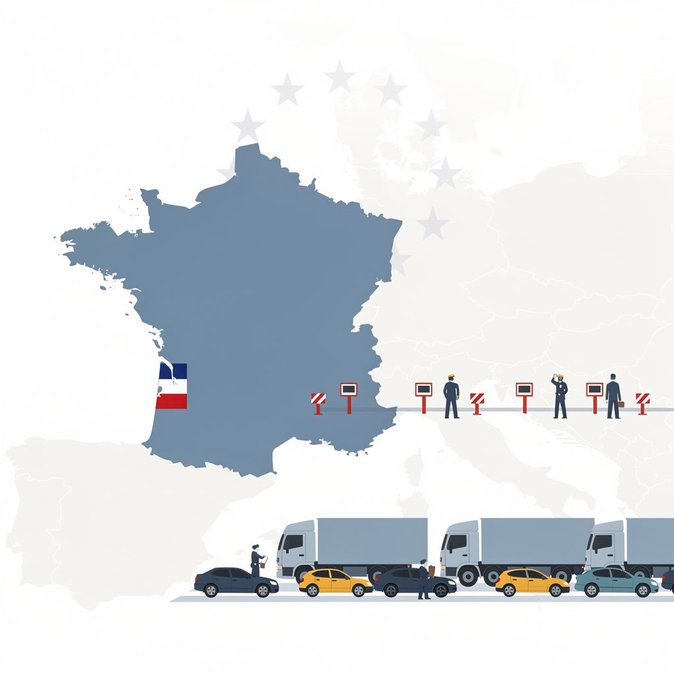
An extraordinary videoconference of EU interior ministers convened on 4 August 2026 to address the sudden arrival of an estimated 50 000 migrants in Spain’s North-African enclave of Ceuta last week. While Spain and Morocco managed to persuade most of the group to return voluntarily within 24 hours, the incident exposed deep rifts inside the Schengen area about how far individual member states may go in reinstating internal border controls. France – which has kept temporary checks on its frontiers with Italy and Spain since the 2015 terror attacks – used the meeting to argue that such controls are now an indispensable “safety net” against large-scale irregular movements. Interior Minister Gérald Darmanin told colleagues that Paris is “ready to prolong and, if necessary, reinforce” its land-border checks throughout 2026, citing security risks linked to the ongoing Middle-East crisis and next summer’s high-profile sporting events. France’s position frustrated several northern member states, which warned that permanent controls undermine the single market and create costly delays for freight and cross-border commuters. Behind the scenes, diplomats say the French stance also reflects domestic political pressure in the run-up to the 2027 presidential race. Polls show a majority of French voters support tougher border policing, even if that means suspending parts of the Schengen code. Business groups, however, cautioned that extended checks could disrupt just-in-time supply chains linking French factories to suppliers in Italy, Spain and Germany. The Franco-Spanish automotive corridor handles more than €3 billion in components every month; hauliers estimate each extra hour at the frontier costs €150–€200 per truck in lost productivity. The European Commission reiterated that Article 25 a of the Schengen Borders Code only permits internal checks for six-month periods that can be renewed under strict conditions. The executive will now examine whether France – along with Austria, Germany and Denmark – has provided sufficient justification for its latest extensions. A formal opinion is expected by late September. Should Brussels conclude that the proportionality test is not met, it could launch infringement proceedings, although such steps have never yet forced a member state to lift controls. For employers moving staff around Europe, the immediate practical advice is to build extra time into travel schedules, especially for cross-border road shipments and employee relocations that involve household goods trucks. Multinationals should also review A1 certificates and posted-worker notifications, as labour inspectors on both sides of the Franco-Spanish border have stepped-up spot checks in the wake of the Ceuta incident. Companies planning autumn expatriate moves may wish to route transferees by air, where automated PARAFE gates still allow fast-track entry for most EU nationals.
Source: Le Monde (English edition)
How VisaHQ can help
VisaHQ simplifies the visa application process for individuals and businesses. Check current travel requirements, prepare the required documents and manage your application online through the VisaHQ France portal.More From France
View all
Air France-KLM Flying Blue launches fresh August promo rewards – up to 25 % fewer miles on key business routes
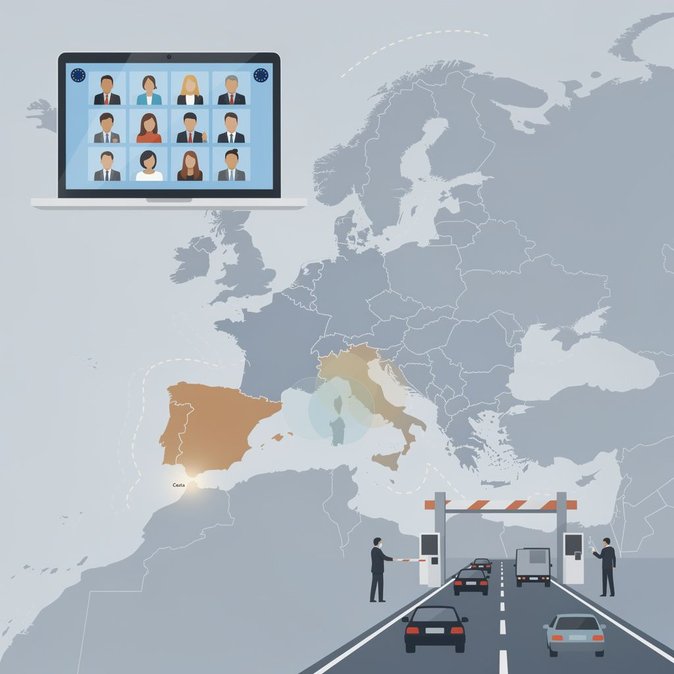
EU convenes emergency talks after Ceuta migrant surge; France backs tougher but coordinated border checks