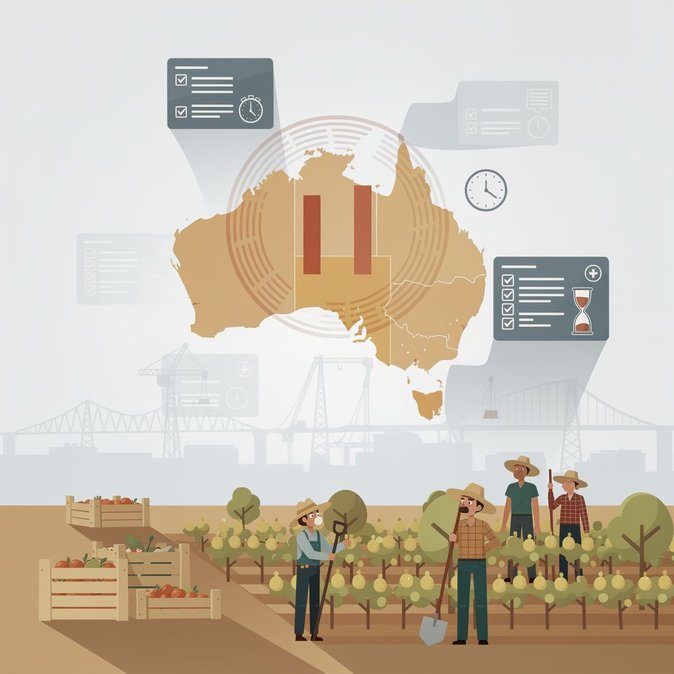
SBS News devoted its 14 September morning bulletin to dissecting One Nation’s newly released “net-negative migration” blueprint. Political reporter Josie Harvey highlighted that the proposal hinges on simply “not issuing new visas” across student, graduate, skilled-temporary and bridging categories, in addition to removing overstayers. Barnaby Joyce said families of skilled migrants would be barred from joining primary applicants, a measure economists say will discourage talent from accepting Australian offers. Labor ministers labelled the policy an economic “hand-brake”, while Liberal moderates called it unworkable without massive taxpayer spending. Treasury modelling cited by SBS suggests a COVID-scale contraction in GDP if net migration falls below zero for multiple years. The nursing union warned that up to one-third of aged-care nurses are internationally trained and could not be replaced quickly from the domestic workforce. SBS also examined carve-outs designed to shield agriculture and hospitality, noting that Working Holiday Makers and Pacific Australia Labour Mobility (PALM) visas would be protected. However, growers interviewed in Griffith said backpacker numbers are already plummeting due to the separate WHM visa pause announced by Home Affairs, casting doubt on those safeguards. For mobility practitioners, the report reinforces a theme: migration policy is now front-page politics. With all major parties positioning for cuts, employers should accelerate permanent-residency pathways for critical staff, lobby through industry groups and diversify recruitment channels – for example, tapping New Zealand’s open labour market or remote-work arrangements in Asia. SBS will run a series of explainers this week on how proposed caps could affect specific visa subclasses, giving HR teams an opportunity to brief executives and impacted employees.
Source: SBS News