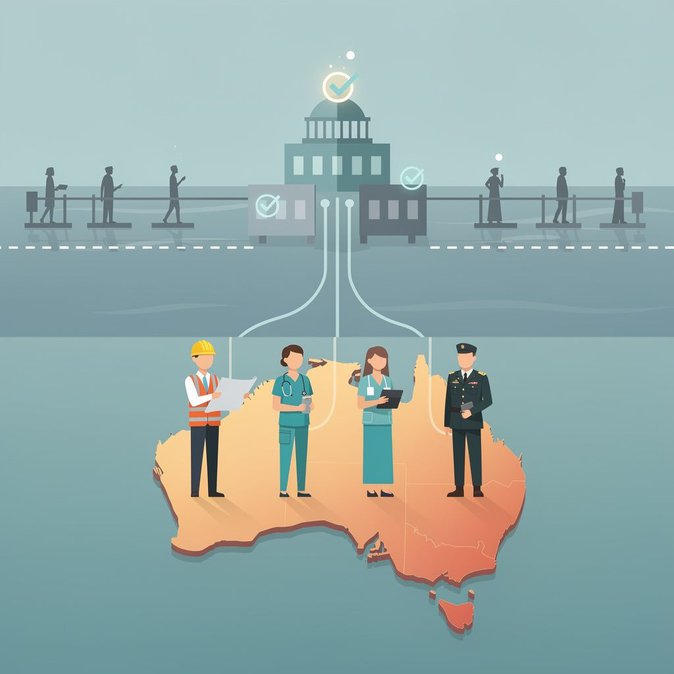
Australia’s corporate mobility community was on high alert on 4 August after Home Affairs Minister Tony Burke abruptly postponed a National Press Club address that was widely expected to outline the most far-reaching cuts to net overseas migration in a decade. According to senior government sources cited by the ABC, cabinet considered the draft package on Monday night but divisions over the speed and breadth of the measures forced a late rethink. The plan reportedly seeks to drive net overseas migration down ‘quickly and drastically’, partly by tightening family-visa on-shore applications, capping working-holiday maker numbers, and restricting work and appeal rights for asylum-seekers. Burke has already laid important groundwork. A previously unannounced 1 July visa-application-charge rise is forecast to lift fee revenue by 24 per cent, while two ministerial directions issued in late July force officials to process on-shore skilled and family-visa cases ahead of offshore files. Migration agents say this has created a “de facto pause” for many overseas applicants, with backlogs expected to lengthen well into 2027. The delayed speech leaves global mobility teams guessing about operational timelines. Companies planning January 2027 project launches now face the risk of skills-gap delays if offshore recruitment pipelines freeze. At the same time, industries such as hospitality and agriculture fear that a backpacker cap could remove as many as 35,000 seasonal staff next year, exacerbating regional labour shortages and forcing higher wage offers. Policy watchers expect the speech to be rescheduled within weeks, but employers are already scenario-planning: bringing forward intra-company transfers, auditing travel-compliance budgets in anticipation of higher government fees, and reviewing the feasibility of remote-first project staffing should entry restrictions tighten further.
Source: ABC News