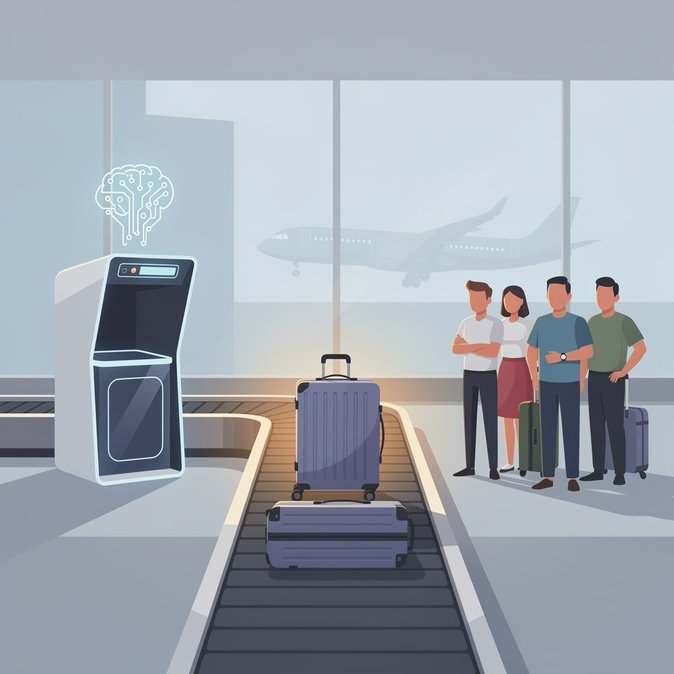
Hong Kong Customs detected 8 kilograms of cocaine—worth an estimated HK$9 million—hidden in false-bottom suitcases arriving on a South American flight on 14 September 2026. Two passengers were arrested. Authorities say the bust underscores enhanced AI-assisted baggage-profiling algorithms introduced at HKIA in July, which flag suspicious weight-distribution patterns before bags reach carousel belts. While the incident is primarily a law-enforcement matter, it carries mobility implications. The tightened screening can lengthen clearance times for legitimate travellers whose luggage matches risk profiles—particularly those carrying large quantities of samples or electronic equipment. Customs reminded business travellers to keep invoices handy and to pre-declare samples where possible to avoid secondary inspection delays. Logistics security consultants note that advanced baggage analytics are part of a wider ‘Smart Checkpoint’ upgrade funded under the Airportcity development plan. The system cross-references airline booking data, enabling Customs to allocate additional officers to high-risk flights without disrupting overall passenger flow. Companies moving high-value prototypes through HKIA should alert employees to expect occasional spot checks and factor the possibility into meeting schedules. Failure to cooperate can lead to on-site detainment and missed connections, with potential contractual penalties. Customs will review passenger feedback after Golden Week and may further refine the algorithm, balancing security with the airport’s ambition to be Asia’s most efficient hub for time-sensitive business travel.