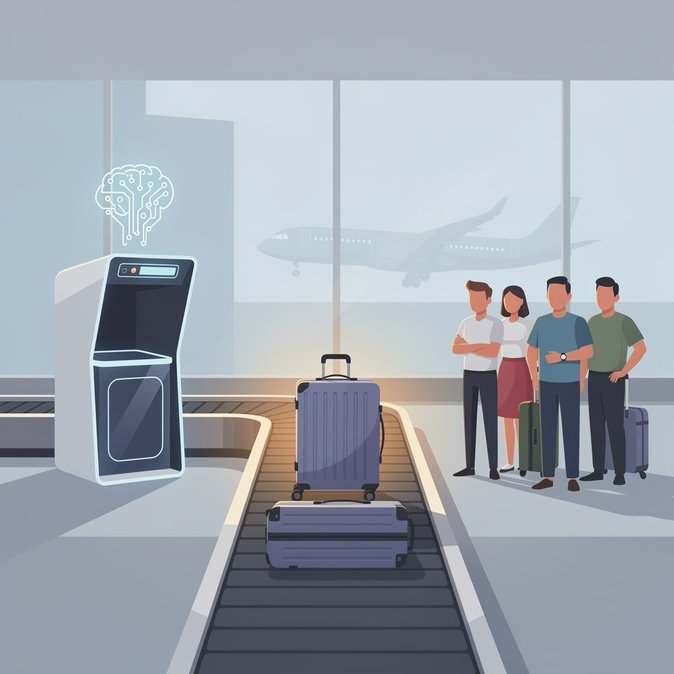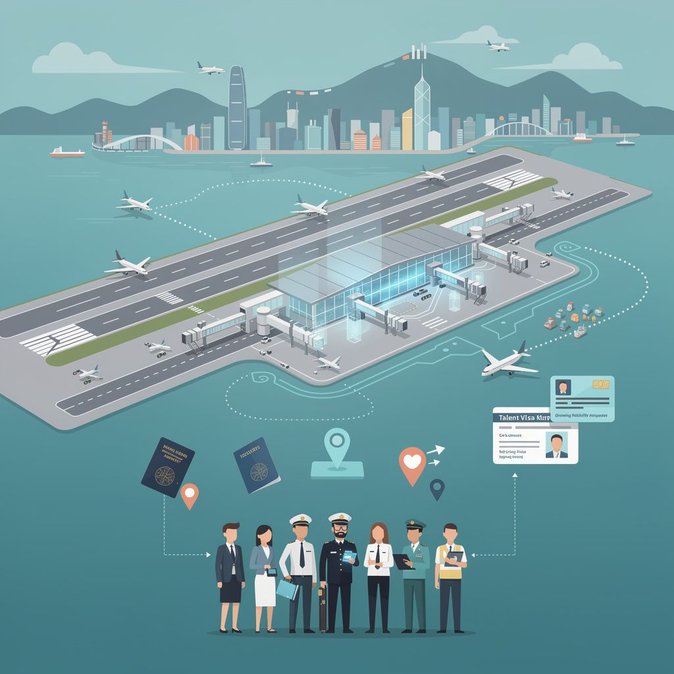
An opinion analysis published on 14 September 2026 argues that Hong Kong International Airport (HKIA) has entered a “new chapter of growth” following the commissioning of its HK$141-billion Three-Runway System (3RS). Latest government figures show passenger traffic up 11.7 percent year-on-year to 32.8 million for the first half of 2026, with 140 airlines now serving 225 destinations. The expanded Terminal 2, which reopened in May, is handling eight million departure trips annually and relieving congestion at the legacy terminal. At the same time, digital initiatives such as the Flight Token facial-recognition system now cover 80 percent of departing passengers, cutting average clearance times to under 40 seconds per traveller. Together, the physical and digital upgrades are positioning HKIA to capture pent-up business-travel demand across the Guangdong–Hong Kong–Macao Greater Bay Area. For corporate mobility managers, the numbers matter. More runway slots translate into greater scheduling flexibility and competitive fares on key long-haul routes—a boon for regional headquarters that rely on same-day connections to London, Singapore or Tokyo. The Airport Authority’s plan to attract yacht tourism and expand AsiaWorld-Expo also signals that MICE (meetings, incentives, conferences and exhibitions) traffic—often bundled with senior-executive relocations—is set to rise. Yet capacity is only half the story. Analysts warn that sustaining double-digit growth will require a parallel talent strategy. As HKIA eyes throughput of 120 million passengers and 10 million tonnes of cargo annually by the early 2030s, demand for aviation engineers, air-traffic controllers and ground-services staff will surge. Integration with the Top Talent Pass Scheme and vocational-training reforms is therefore essential. The article concludes that HKIA’s fortunes are intertwined with Hong Kong’s ambition to remain Asia’s premier business gateway. For global-mobility professionals, the airport’s trajectory offers both opportunities—in the form of easier access and client-relocation packages—and challenges, such as higher competition for specialised aviation talent.
Source: China Daily Asia