
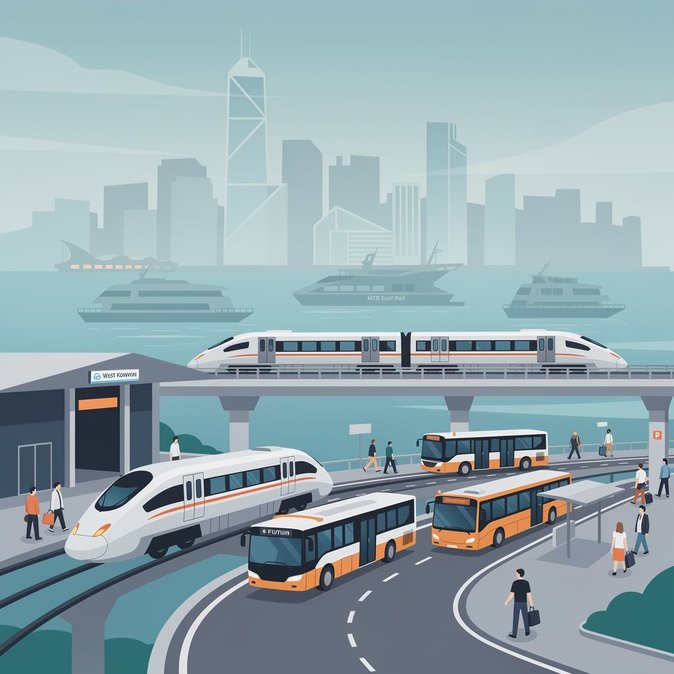
Hong Kong’s Bills Committee on the Northern Metropolis Development Bill met on 29 July to hammer out final details of legislation that will reshape 300 square kilometres along the border with Shenzhen. Although the session was procedural, the stakes for global mobility are significant: the bill unlocks land for 926,000 new homes and 650,000 jobs, many designed for cross-boundary professionals who split their week between Hong Kong and mainland offices. Development Secretary Bernadette Linn told lawmakers the government aims to pass the bill before the Legislative Council’s summer recess, allowing site formation on the San Tin Technopole and broader Innovation-Industry Zone to begin as early as October. Transport officials sitting in on the meeting confirmed that a new “Metropolis Circular Line” will connect the technopole with West Kowloon Station in 18 minutes, while a fourth passenger bridge to Shenzhen is “under active study”. For regional headquarters that already rotate staff between Hong Kong and the Greater Bay Area, the prospect of sub-20-minute rail trips is a game-changer for talent deployment and day-trip business meetings. Immigration implications are also on the table. The Security Bureau briefed members on a forthcoming “dual-checkpoint residence” arrangement that would allow eligible Northern Metropolis residents to clear exit procedures once, then move freely between the new towns and Shenzhen’s Qianhai district—mirroring the Shenzhen Bay Control Point model. Employers could sponsor qualified staff for five-year resident permits covering both sides of the boundary, cutting red tape for project teams. Environmental officers faced pointed questions about noise and air-quality impacts, pledging to impose a green buffer along the Shenzhen River and adopt electric shuttle fleets. These commitments will be crucial for multinational companies whose ESG policies increasingly dictate site-selection and assignment terms. If enacted on schedule, the bill will trigger a decade of phased construction, with the first batch of flats and offices ready by 2030. Mobility managers should begin scenario-planning housing allowances, cross-border payroll structures and staff schooling options now, as demand for bilingual international schools north of Tai Lam Country Park is expected to outstrip supply within five years.
Source: Legislative Council of Hong Kong
How VisaHQ can help
VisaHQ simplifies the visa application process for individuals and businesses. Check current travel requirements, prepare the required documents and manage your application online through the VisaHQ Hong Kong portal.More From Hong Kong
View all
Heavy-rain and thunderstorm alerts issued for 29 July; travellers warned of possible flight and ferry delays
Hong Kong adds extra high-speed rail services and adjusts ferries as summer travel demand surges