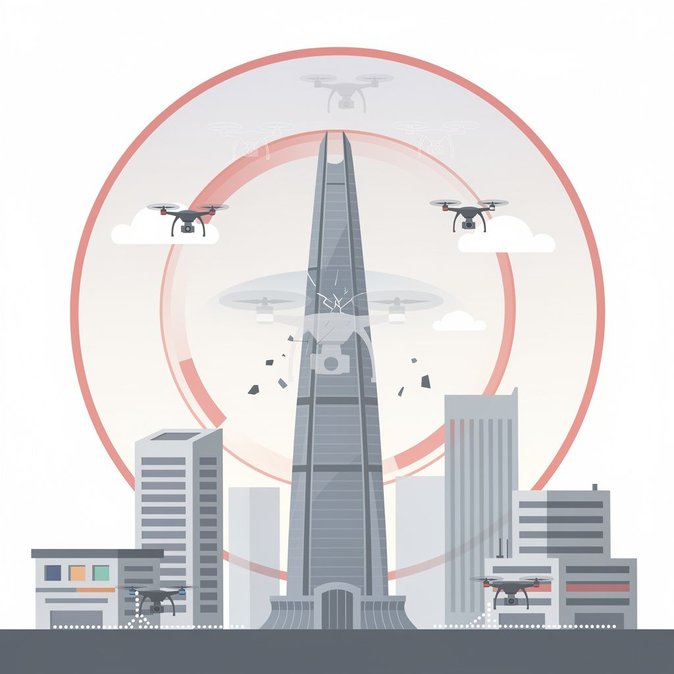
State media reports taken up by Reuters reveal that Beijing will establish a permanent no-fly zone over the entire municipality starting 20 September, alongside the nation’s toughest restrictions on unmanned aircraft. The move comes three months after a light-training aircraft crashed into China Zun, the capital’s tallest tower, prompting questions about airspace security in one of the world’s most controlled cities. Under the new rules, all civilian flights—manned or unmanned—will need special police approval to enter the zone. Separately, from 15 November, the city will outlaw the possession, operation and storage of drones. Owners will be required to surrender devices for buy-back or certified destruction, with postal shipment out of Beijing offered as an alternative. For corporate travellers and expatriates, the immediate impact is on aerial photography, surveying and media work, which now require case-by-case permits. Logistics firms testing drone deliveries in suburban districts must relocate or suspend trials. Event planners who rely on drone light shows for product launches will have to rethink entertainment options. Airlines are also reviewing approach and departure procedures at Beijing Capital and Daxing airports, although the Civil Aviation Administration says scheduled flights will not be affected. Aviation insurers expect a spike in premium costs for ad-hoc charter flights that cross the restricted zone. The blanket drone ban extends a national trend of tightening low-altitude airspace management under the banner of counter-terrorism and public safety, but the sheer geographic scope in Beijing sets a new precedent likely to be studied—and possibly copied—by other major Chinese cities.
Source: Reuters via MarketScreener