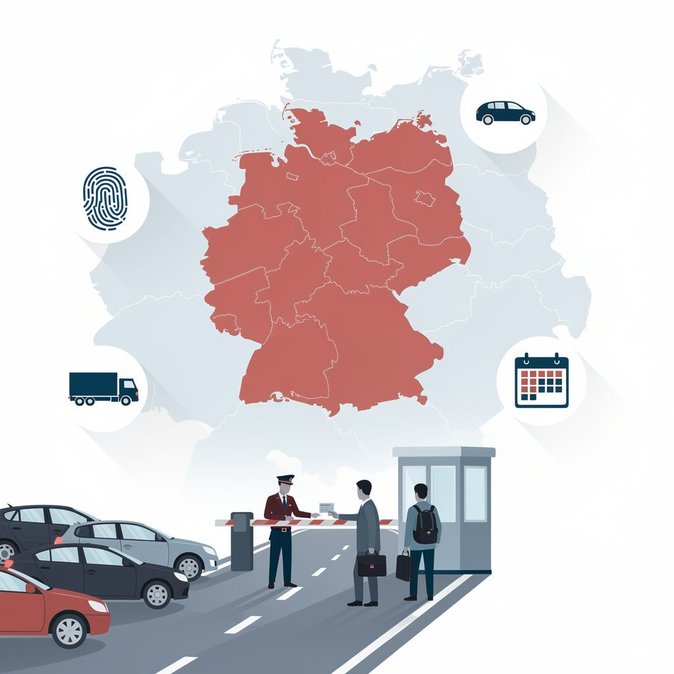
In a quietly released update that appeared on multiple German embassy websites on 15 September, the Federal Foreign Office (AA) announced that, effective 20 September 2026, applications for the EU Blue Card and for residence permits under §§ 18a/18b of the Residence Act (Skilled Workers with vocational or academic training) must be submitted exclusively via the new Auslandsportal, Germany’s external e-visa platform. Paper appointments and e-mail waiting lists will be discontinued, with the only exception being applicants who hold a *Vorabzustimmung* (pre-approval) under the accelerated ‘Fast-Track for Skilled Workers’ procedure. The change is the latest milestone in the Foreign Office’s multi-year digital-transformation programme aimed at cutting processing times and improving transparency. Officials say the portal will pre-validate data, accept electronic uploads of contracts and diplomas and automatically forward complete files to the relevant immigration office (*Ausländerbehörde*) in Germany, reducing manual data entry and errors. Once the pre-check is complete, applicants receive a link to book an in-person biometrics appointment; the former practice of signing up to open-ended embassy waiting lists will end. From an HR-mobility perspective, the mandatory portal represents both an opportunity and a risk. Well-prepared companies can upload bilingual employment contracts and recognition letters in advance, potentially shaving weeks off the lead time for critical hires. However, incomplete scans or large file sizes will trigger automatic rejections, and the AA warns that missing documents cannot be added later – the entire application must be restarted. Global mobility teams should therefore introduce an internal quality-control step before hitting “submit”. The portal launch coincides with the new 2026 salary thresholds (€50,700 regular / €45,934.20 shortage occupations) and with upcoming *Chancenkarte* (opportunity card) rules expected in November. Experts predict that the digital channel will be expanded to Family Reunification and ICT permits in 2027. For now, companies recruiting outside the EU should update checklists, inform candidates of the new workflow and allocate IT resources for the secure handling of personal data.