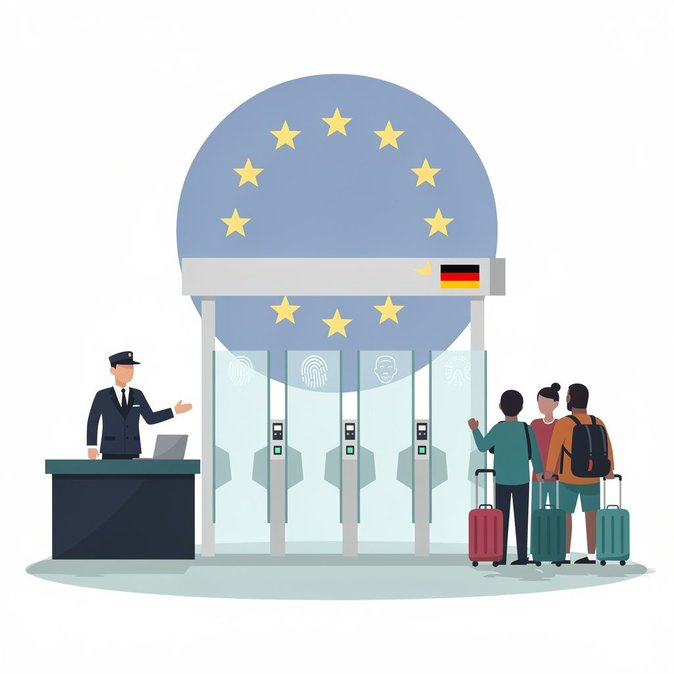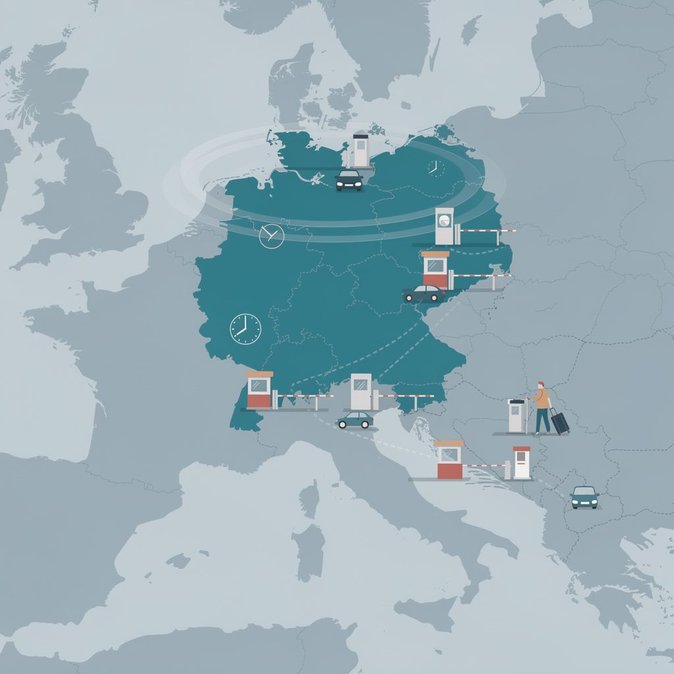
EU diplomats gathered in Brussels on 14 September 2026 for meeting No. 369 691 of the Visa Working Party, the Council body that shapes Schengen short-stay policy. According to the published agenda, delegates discussed a Commission “non-paper” dated 4 September that proposes raising the standard Schengen visa fee from €80 to €90 from mid-2027, with a new €135 rate for expedited processing. While decisions are months away, German tour operators and trade-fair organisers are already lobbying Berlin to oppose the hike, arguing it would dampen inbound demand from price-sensitive markets such as India and the Philippines. The Foreign Office issues about 1.2 million Schengen visas per year—more than any other member state—and would have to adjust its IT systems and fee schedules. Also on the docket were pilot results from the EU’s online-visa platform, which Germany will join in the second rollout wave next spring, and a French proposal to shorten the appeal window for visa refusals from 60 to 30 days. Germany’s delegation reportedly signalled openness to a moderate fee increase but insisted that any rise be linked to performance benchmarks such as median processing time. For global-mobility teams the Brussels discussions are an early warning: if adopted, higher fees will need to be factored into 2027 assignment budgets, especially for large cohorts of trainees or project engineers who rotate on C-visas. Employers should also track the digital-visa pilot, which could slash appointment backlogs at German missions in high-volume locations like Mumbai and Lagos.