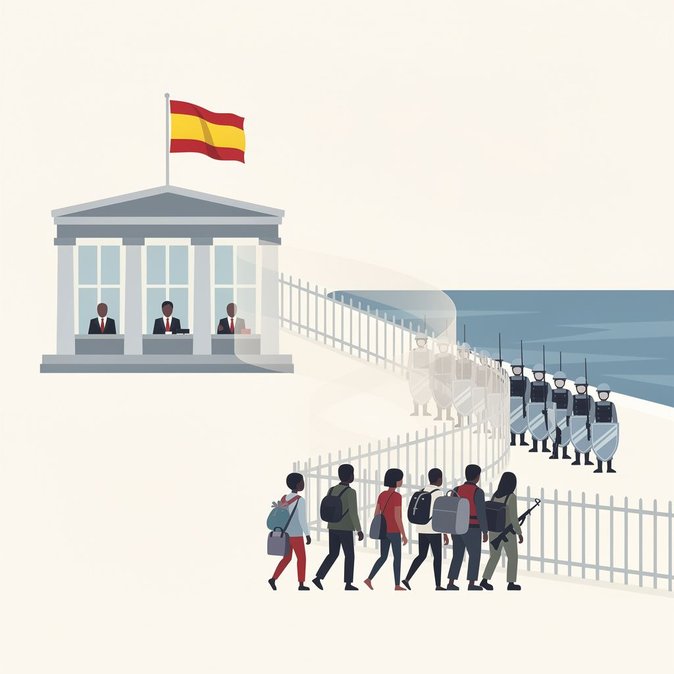
In a surprise interim ruling issued on 8 September and published on 15 September, Spain’s Supreme Court has frozen the electoral registration of citizens who obtained nationality under the 2022 Democratic Memory Law—popularly known as the ‘grandchildren law’. The court accepted a complaint alleging that the mass naturalisations were processed without proper residency verification and could distort the 2027 general election. Up to 300,000 recently naturalised Spaniards, many living in Latin America and the United States, may now be ineligible to vote until the case is resolved. The affected group includes descendants of Republican exiles, Franco-era refugees and women who lost nationality by marriage before 1978. For Spaniards abroad—and for employers running talent-mobility or localisation programmes—the decision adds uncertainty over passport renewals, consular services and access to EU free movement that hinge on uncontested citizenship. Immigration lawyers expect appeals, noting that Article 11.3 of Spain’s constitution guarantees the right of return to exiles’ descendants. The foreign affairs ministry said it is “reviewing the ruling’s scope” and has urged consulates to continue issuing ordinary travel documents until definitive guidance is issued. Corporations should therefore maintain existing global-mobility benefits for employees holding Memory-Law passports but prepare contingency plans should their status become ‘provisional’. If the suspension is upheld, Spain may need to revise its nationality registry and establish stricter documentation thresholds, with possible knock-on effects for dual-citizenship applications filed by foreign staff married to Spaniards or relocated under local labour contracts.
Source: Le Monde