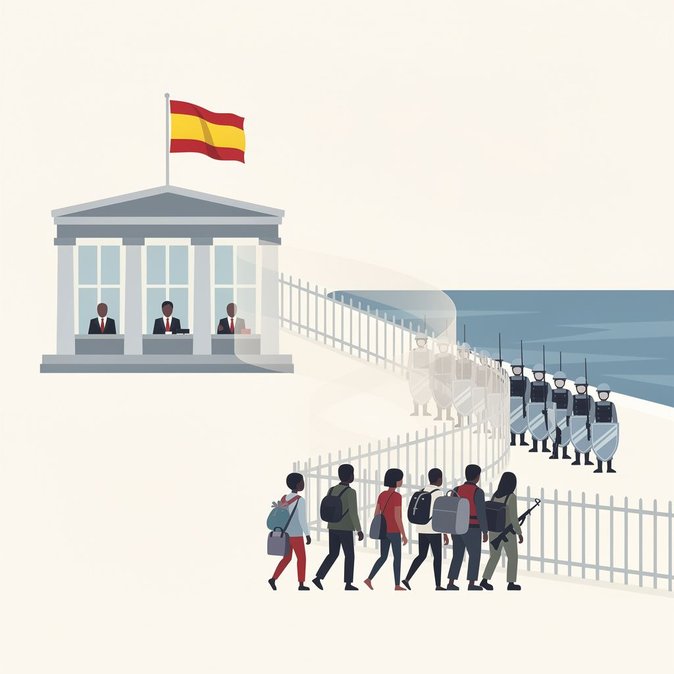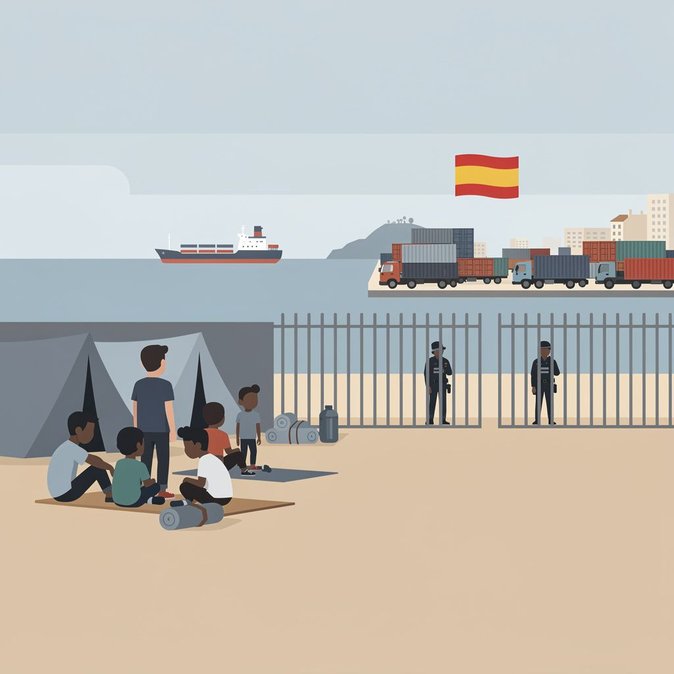
Two months after the late-July mass crossings that saw more than 11,000 migrants enter Ceuta in 48 hours, Spain is still struggling to stabilise the situation. Following Tuesday’s cabinet meeting, Minister for Territorial Policy Ángel Víctor Torres told reporters that “between 700 and 1,000” unaccompanied minors remain on the enclave’s streets despite emergency shelters set up at an army barracks. The disclosure comes as a Ceuta examining judge transferred a criminal complaint against the Government-Delegate to the Audiencia Nacional, alleging negligence in crisis management. NGOs have documented a rise in petty crime and vigilantism, prompting calls from business groups for stronger policing to protect cross-border trade and tourism. Madrid has already redeployed 350 additional Guardia Civil officers and fast-tracked 300 judicial expulsions of adults deemed a security risk, according to interior-ministry data. Yet bureaucratic bottlenecks over age assessments and family-reunification procedures hamper efforts to move minors to mainland facilities. For employers with staff posted in Ceuta or routing freight via its port, the operational environment remains volatile. Curfews around the Tarajal crossing have extended transit times, and insurance premiums for high-value cargo have ticked up 12 % since August. Mobility teams should review duty-of-care protocols, consider alternative ports such as Algeciras, and verify that travel-security providers can offer rapid extraction if street unrest escalates. Longer-term, Spain is finalising an ‘Integration and Support Plan for Ceuta and Melilla’ that will channel EU funds into reception-capacity upgrades and skills training for asylum seekers—measures that, if implemented, could eventually ease labour-shortage pressures in nearby Andalusian agribusiness hubs.
Source: Cadena SER / El País