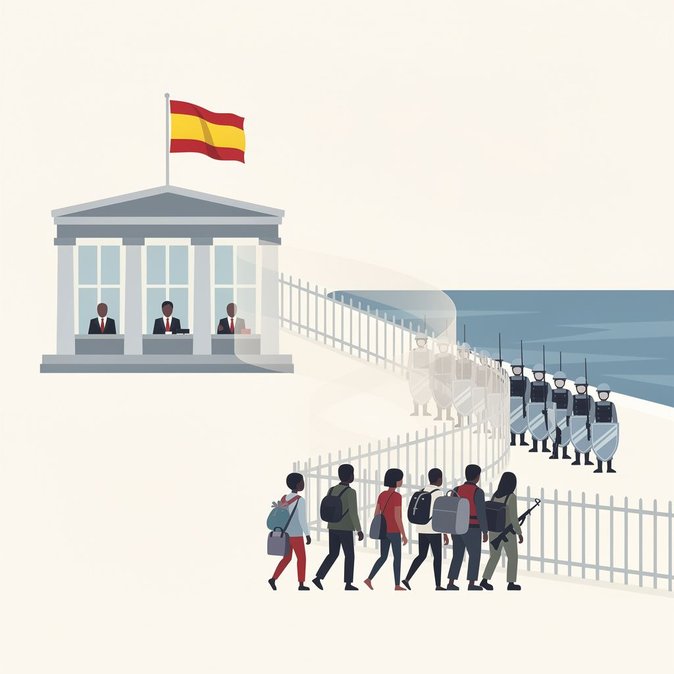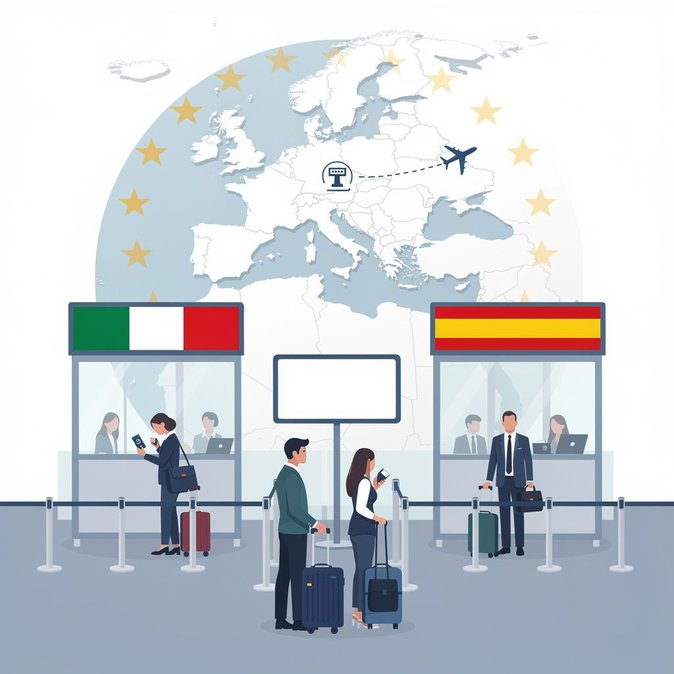
Italy has decided to prolong for a further 15 days the temporary border controls it re-introduced on August 1 at all Italian airports and seaports handling flights and ferries from Spain. Interior Minister Matteo Piantedosi said after a security committee meeting in Rome on Tuesday, 15 September, that the measure remains necessary because of “persistent risks linked to the recent mass irregular entries into Ceuta and the possibility of secondary movements towards Italy.” The extension means the suspension of normal Schengen free-movement rules between the two countries will now run until at least 30 September, turning what was initially billed as a short-term emergency response into a two-month disruption. Spanish authorities reacted in kind, renewing the reciprocal police checks they had imposed at Spanish ports and airports on 1 August. From a corporate-mobility perspective, the controls translate into longer queues for document inspection, random baggage searches and the possibility of denied boarding for passengers who cannot justify their trip. Airlines have advised business travellers to arrive at least two hours earlier than usual and to carry proof of accommodation, return tickets and—if applicable—company invitation letters. EU law allows a member state to reinstate internal border controls for renewable periods of up to 20 days when facing a serious threat to public order. According to the European Commission’s updated Schengen notification list, Italy officially cited “continued pressure stemming from the Ceuta events” when it renewed the checks from 1 to 16 September and has now submitted a second notification covering the new 17–30 September window. Brussels has urged both Rome and Madrid to step up joint migration-management efforts so normal Schengen travel can resume. For multinationals with staff shuttling regularly between Spain and Italy, the advice is to factor in extra transit time, monitor airline alerts, and remind employees that national ID cards alone may no longer be sufficient—border police have occasionally demanded passports to speed queries through their databases. Mobility managers should also review any posted-worker notifications, as delays at the border could cause missed shift start-times and potential compliance breaches.