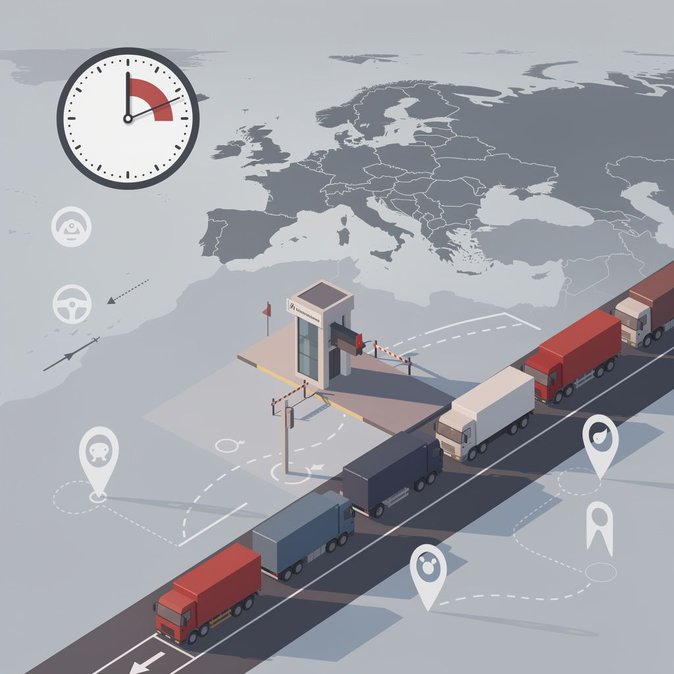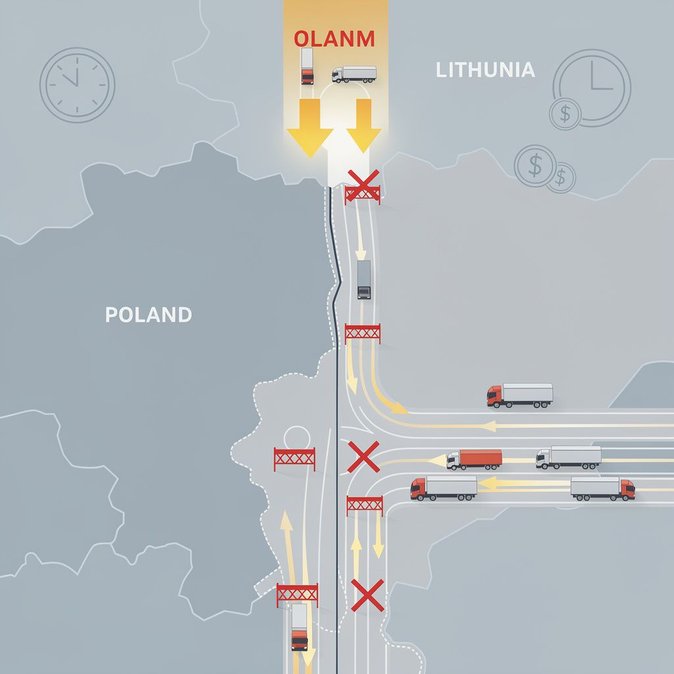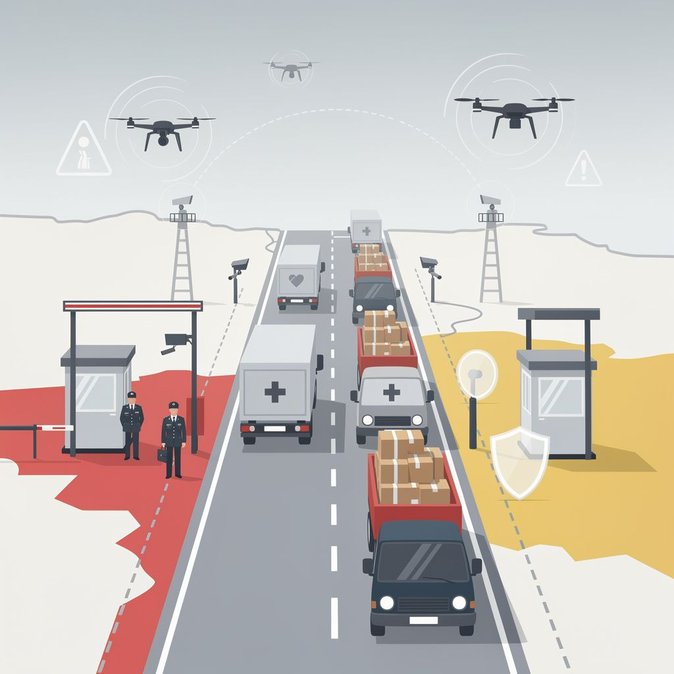
Poland’s government has ordered a new package of measures along the 535-kilometre frontier with Ukraine after Russia’s weekend drone barrage hit targets as close as one kilometre from the Dorohusk–Yahodyn crossing. Prime Minister Donald Tusk told an emergency meeting in Warsaw in the early hours of 14 September that the military, police, Border Guard and customs service will form joint incident units able to seal a crossing or reroute traffic within minutes. The decision follows confirmation that a freight train and a petrol station on the Ukrainian side were struck, and that 206 passengers on the Kyiv-Warsaw night train were delayed but unharmed. While no Polish territory was hit, the government scrambled F-16s and activated the civil-defence text-alert system in Lublin and Podkarpackie provinces. Border checks on the Polish side were temporarily suspended during the alert window, creating queues of up to five kilometres for trucks and buses. Officials say the new protocol will prioritise keeping humanitarian and essential commercial traffic moving by creating “clean lanes” for fuel tankers and refrigerated cargo, both of which Russia has explicitly targeted in Ukraine. For logistics operators the immediate impact is a likely increase in compliance checks and a requirement to pre-file cargo manifests four hours before arrival—double the current two-hour window. Passenger carriers are being advised to add at least 60 minutes to published timetables for the next two weeks, pending a security review scheduled for 28 September. Multinational companies moving staff between Poland and Ukraine should also prepare contingency plans in case selected crossings are closed at short notice. Tusk said Warsaw is lobbying Brussels for additional Frontex assets to reinforce the external EU border and for EU crisis funds to expand secure parking areas on the Polish side. Analysts note that any prolonged congestion could spill over to Poland’s borders with Slovakia and Hungary as hauliers seek alternative routes, potentially affecting supply chains as far west as Germany.
Source: Polskie Radio – English Section