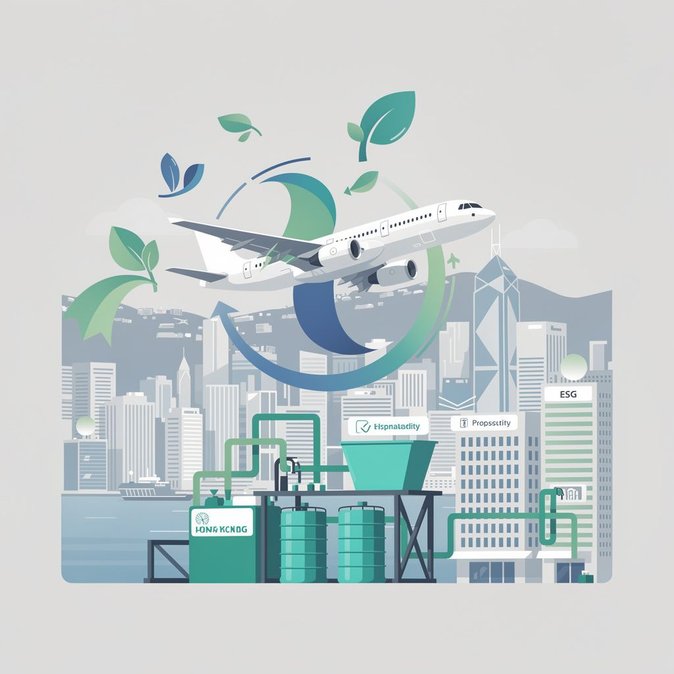
Among a raft of economic measures, the 2026 Policy Address dedicates an entire section to bolstering Hong Kong’s role as an international aviation hub through sustainable aviation fuel (SAF). The government will establish a SAF production base in neighbouring Dongguan, target first output by 2030, and build a blending facility within the city to guarantee long-term supply. A mandatory consumption-ratio mechanism and a green-fuel certification system are under study. The SAF roadmap addresses growing pressure from multinational corporates to decarbonise business travel. According to the World Economic Forum, more than 40 percent of Fortune 500 firms now have science-based targets that include air-travel emissions. Ready, competitively priced SAF supply would allow companies relocating staff to Hong Kong to align duty-of-care with ESG goals. Airlines stand to gain regulatory clarity: Cathay Pacific and Greater Bay Airlines can plan long-term procurement and potentially price ‘green fare’ surcharges. Cargo operators could benefit, too; freight customers increasingly request emissions data points to feed into supply-chain disclosures. For mobility managers, the SAF initiative may soon influence travel-policy language, requiring travellers to select flights with higher SAF blends or pay an internal carbon charge. Policy drafters should watch for the upcoming consultation on the mandatory-blend ratio, expected in early 2027.
Source: news.gov.hk