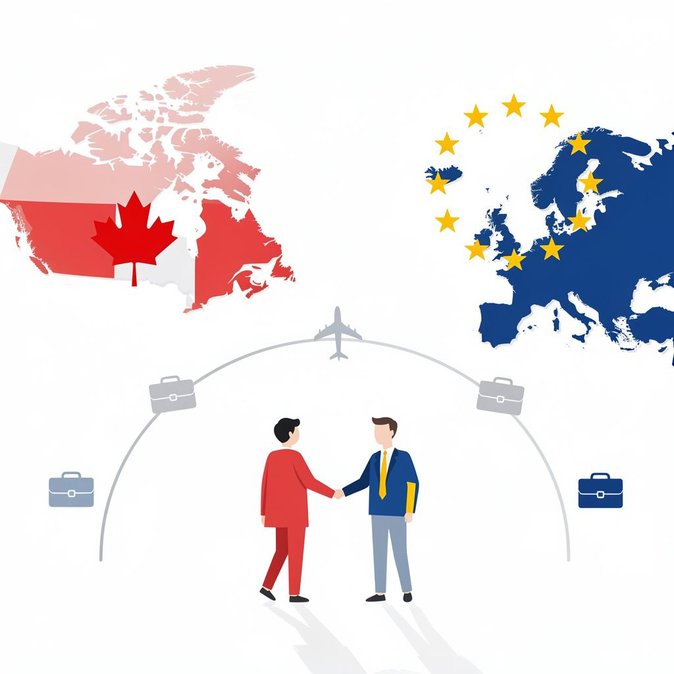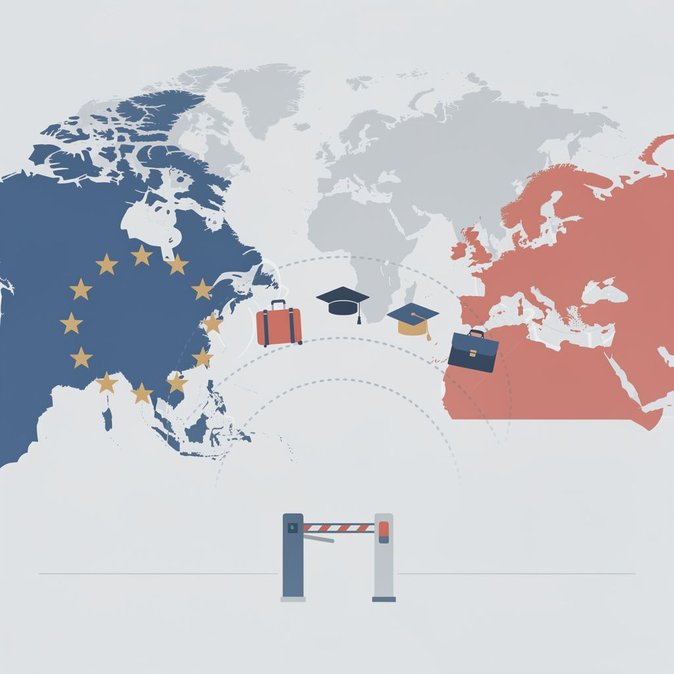
The European Commission’s proposal to make Canada the EU’s first “associate member” has erupted into a geopolitical flash-point. Prime Minister Mark Carney welcomed the idea in a September 17 2026 speech, saying closer ties would shield Canada from economic coercion. Hours later, former US president Donald Trump called the move a “hostile act” and threatened tariffs on Europe. While details remain sketchy, Brussels insiders say associate status could resemble the EU’s relationship with Norway or Iceland, giving Canada partial access to the single market in exchange for regulatory alignment and budget contributions. Crucially for global-mobility managers, draft papers circulated in Brussels discuss “enhanced labour-mobility corridors” that might grant Canadian citizens limited freedom of movement for work and study across member states. Such privileges would dramatically simplify EU assignments, eliminating the need for separate work permits in multiple countries—an advantage that could counterbalance Canada’s current talent outflow to the United States. However, any deal would require ratification by all 27 EU members and could face political resistance over immigration safeguards. Companies should avoid premature policy shifts but may wish to map out internal scenarios: a best-case timeline could see interim youth-mobility expansions as early as 2028, while a failure of talks could still produce sector-specific research and innovation visas similar to Horizon Europe provisions.
Source: Associated Press