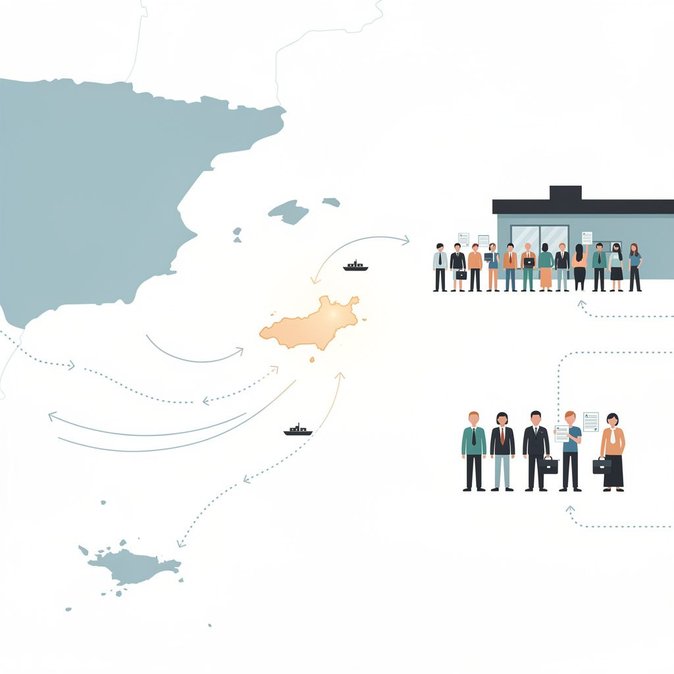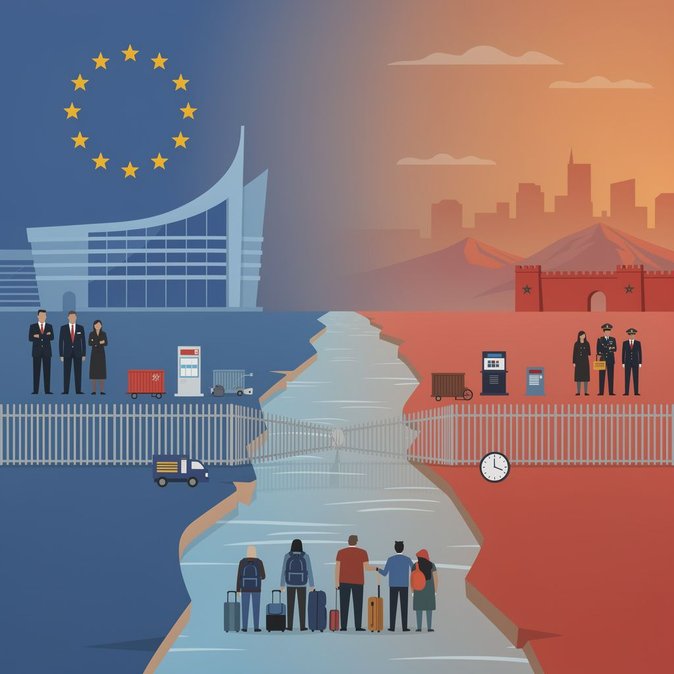
In a heated Strasbourg plenary on 17 September, a right-of-centre majority pushed through a non-binding resolution that blames Spain’s government for “failing to anticipate” the end-July rush of some 80,000 migrants into Ceuta and urges the Commission to suspend the EU–Morocco Association Agreement unless Rabat curbs “instrumentalisation of irregular migration as hybrid warfare”. The text passed with 339 votes in favour, 225 against and 16 abstentions, reflecting a growing fracture between the European People’s Party (EPP) and the Socialist-led coalition on migration. Spanish opposition leader Alberto Núñez Feijóo hailed the vote as a “clear message to Rabat”, while Interior Commissioner Magnus Brunner—on route to Madrid—said Brussels would “analyse all options”, including conditionality on the €1.4 billion border-management aid Morocco receives. Madrid’s PSOE-led government condemned the motion as “irresponsible” and warned it could derail ongoing readmission talks. Why it matters: Although symbolic, the resolution raises real commercial risks. A suspension of the Association Agreement would hit tariff preferences enjoyed by Spanish agri-food exporters and could trigger retaliatory visa restrictions by Morocco, complicating traveller flows across the Strait of Gibraltar. Multinationals should scenario-plan for tighter land-border checks at Tarifa and Algeciras and possible delays in Spanish residency renewals for Moroccan assignees. The episode also underscores how migration pressures are reshaping EU external relations. With October’s European Council set to debate a revised Neighbourhood Policy, Spain may face tougher scrutiny of its own regularisation schemes and of post-Ceuta transfers of minors to mainland regions.
Source: El País