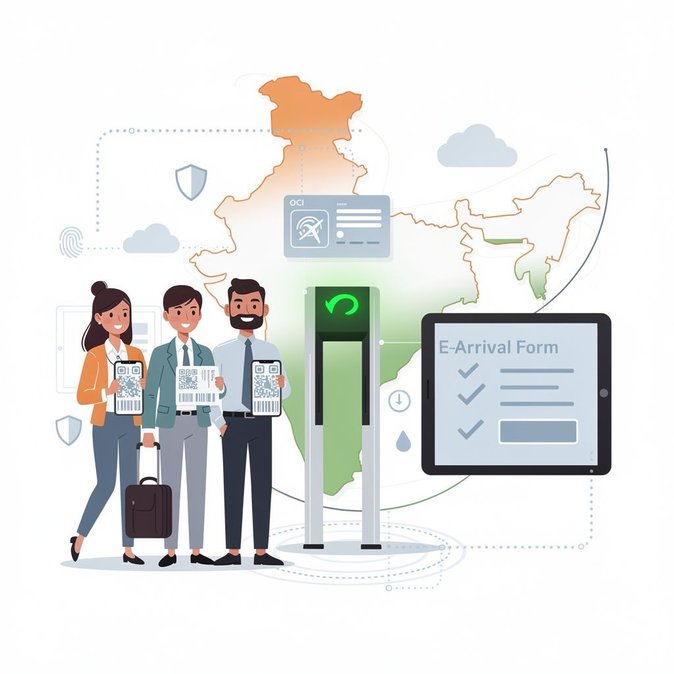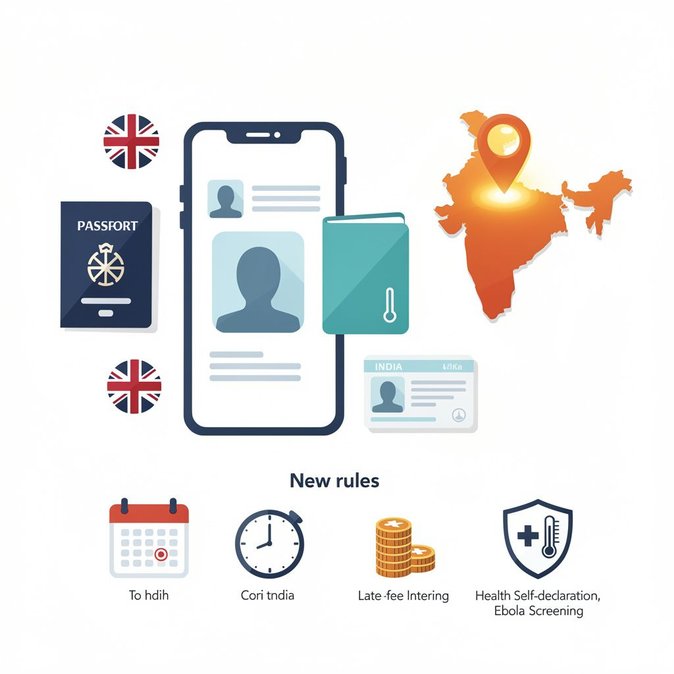
Late on 15 September 2026, the United Kingdom’s Foreign, Commonwealth & Development Office updated its India travel advice, marking the second adjustment in as many months. The advisory, listed as ‘Still current at 15 September 2026’, introduces new information about India’s electronic Overseas Citizen of India (e-OCI) card and the same Ebola-related self-declaration highlighted by Australian authorities. Under the revised ‘Entry Requirements’ section, British nationals of Indian origin are told they may present the e-OCI on a mobile device instead of the physical card, provided passport details have been digitally linked. The guidance also spells out late-fee penalties for OCI holders who fail to update passport details within 90 days. For business travellers, the change simplifies document logistics, especially for executives who split time between the UK and India and frequently renew passports for visa page space. The FCDO further notes that all passengers must complete India’s Self-Declaration Form for Ebola screening, reinforcing India’s stance on infectious-disease control. Although the UK is not an Ebola-affected country, the advice reflects India’s uniform policy applied to all arrivals who might have transited through risk zones. The advisory maintains warnings against travel within 10 km of the Pakistan border and to Manipur, citing continuing ethnic violence. It also flags potential travel disruption from Middle East airspace closures and directs Britons to contact India’s Foreigners Regional Registration Office (FRRO) if visa validity is affected by rerouting. Mobility consultants recommend UK firms update their ‘India Starter Kits’ to highlight e-OCI acceptance and the self-declaration requirement, and to verify that mobile boarding passes are accepted on the airlines used for UK–India sectors, in line with India’s broader digital-travel pivot.