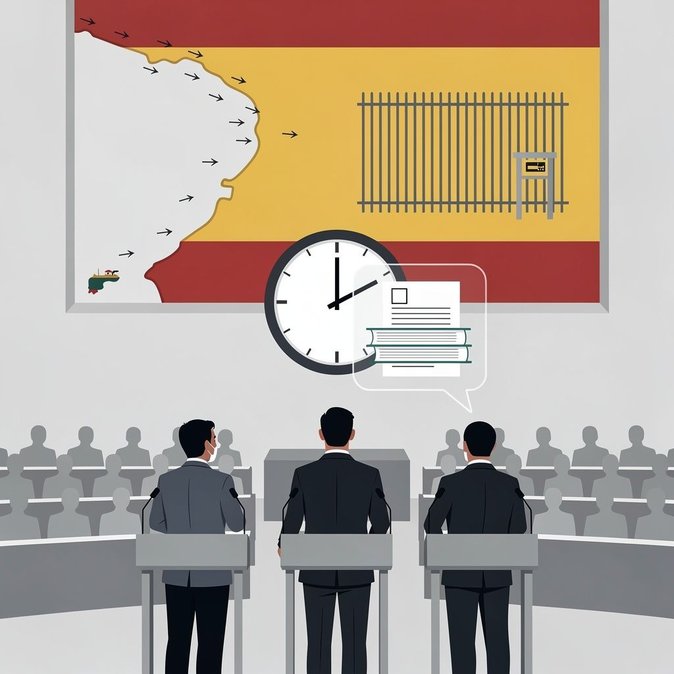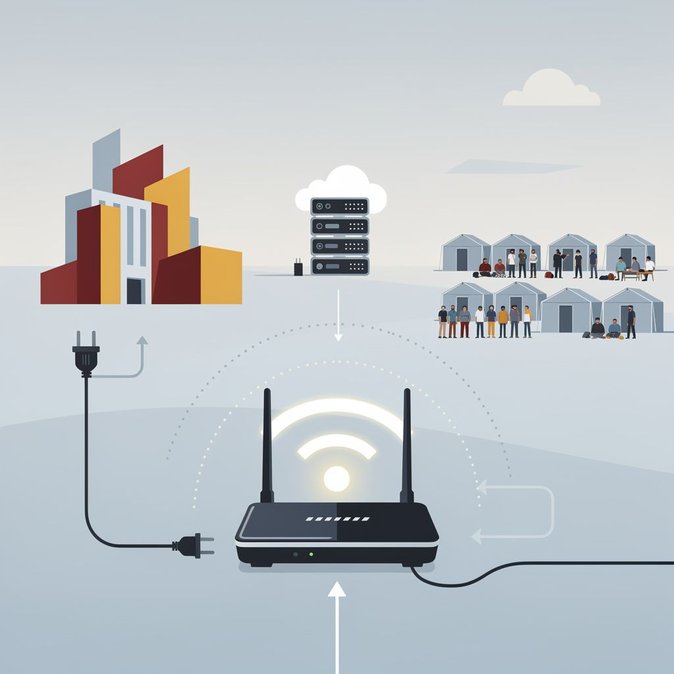
Spain’s Ministry of Inclusion, Social Security and Migration has abruptly cancelled plans to award Telefónica an emergency contract to install free Wi-Fi at three migrant reception sites in Ceuta. The €300,000 deal—invoked under Article 120 of the Public Sector Contracts Law to bypass open tendering—was shelved less than a week after press reports revealed the no-bid procedure and triggered criticism from opposition parties and civil-society groups. Officials say the technical need for connectivity remains, but responsibility for delivering it has now been shifted to the State Digital Administration Agency under the Ministry of Digital Transformation. In the meantime, Orange has deployed a mobile base station to bolster basic voice and data coverage around the port-side camp as well as informal settlements near El Tarajal. From a mobility-management perspective, the episode illustrates how transparency concerns can derail even small-scale infrastructure measures that support migrant reception. Without reliable internet, registration officers, humanitarian NGOs and immigration lawyers must rely on paper processes—adding to processing times and prolonging migrants’ stays in temporary facilities. The delay also affects business travellers and supply-chain operators who depend on seamless digital systems at border posts. Looking ahead, the ministry is considering rewriting the tender so that multiple telecom providers can compete. Companies involved in emergency-services technology should prepare for a rapid re-launch under standard procurement rules, while travel managers with staff transiting Ceuta should anticipate sporadic connectivity issues until permanent networks are in place.
Source: El País / Cinco Días