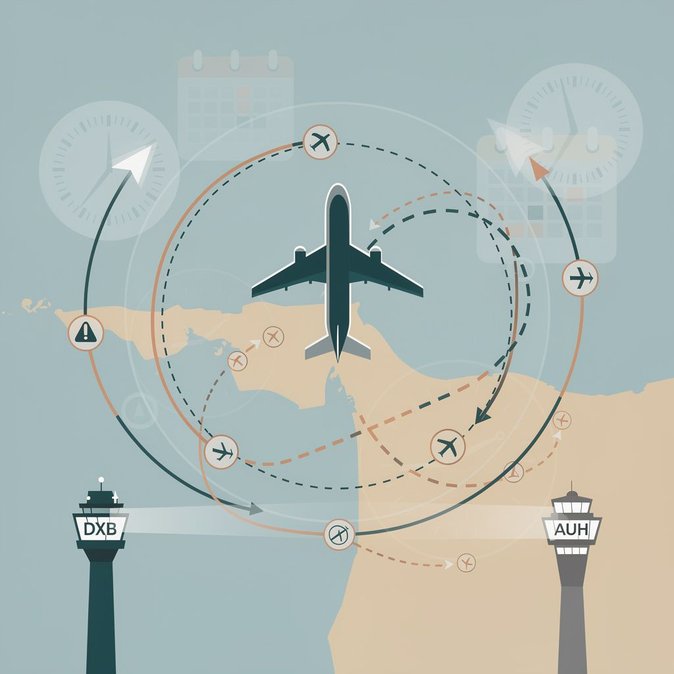
Khaleej Times reports that multiple flights at Dubai International (DXB) and Zayed International (AUH) experienced new delays of two to three hours on 20–21 September, with some outliers—such as Sochi and Kochi services—running 18 and 11 hours late respectively. Cancellations included flydubai’s Bahrain rotation and Kenya Airways’ Nairobi service. Airlines attribute the cascading delays to air-traffic re-routing around conflict zones, crew rostering challenges and ground-handling bottlenecks stemming from last week’s temporary air-space restrictions over parts of Saudi Arabia. While schedules are gradually normalising, carriers continue to publish ad-hoc advisories urging passengers to monitor updates. For assignees arriving to start UAE projects, missed connections can translate into lost onboarding days and additional hotel costs. Mobility teams should consider buffer days between arrival and first day of work and secure ‘change-flexible’ accommodation. Companies relocating critical equipment should liaise with freight forwarders to confirm uplift windows. The article lists over two dozen specific flights affected across Emirates, Etihad, Flydubai, Air Arabia and several foreign carriers—useful intelligence for travellers planning imminent departures. It also highlights that regional tension can ripple far beyond the immediately affected countries, a reminder to risk-map entire air corridors, not just destinations. Industry analysts say airlines are likely to preserve higher schedule padding through October, which could mean persistent minor delays even after the current crisis eases.
Source: Khaleej Times