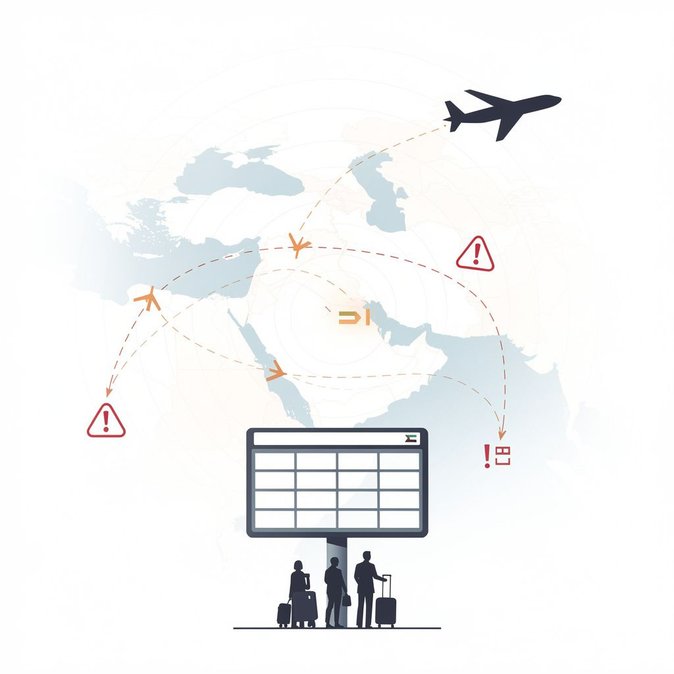
Gulf News’ morning briefing on 21 September details how renewed friction between Washington and Tehran is rippling into the UAE’s travel ecosystem. While Dubai International and Abu Dhabi’s Zayed International Airport are functioning normally, regional flights to Bahrain, Kuwait and Saudi Arabia face intermittent disruption as airlines adjust risk assessments. The newspaper cites continuing Houthi missile activity in the Red Sea, Iranian warnings over the Strait of Hormuz and a possible meeting between US President Donald Trump and Iranian President Masoud Pezeshkian at the UN General Assembly. Oil markets remain jumpy, and GCC governments have condemned attacks on Saudi infrastructure. For UAE residents and multinationals, the practical advice is to double-check regional flight status, monitor government travel advisories and keep contingency plans ready for cargo and personnel movements through Gulf chokepoints. Shipping insurers have already widened premium surcharges for vessels transiting Hormuz, raising logistics costs for project cargo. Risk managers should brief expatriates on the potential for sudden air-space closures and ensure that emergency-communication trees are up to date. Companies with energy-sector staff in Saudi Arabia and Bahrain are advised to maintain accommodation alternatives in the UAE should evacuations become necessary. Although diplomacy remains in play, the article underscores that mobility professionals cannot treat the current lull as business as usual. Situational awareness and rapid-response protocols are paramount.
Source: Gulf News