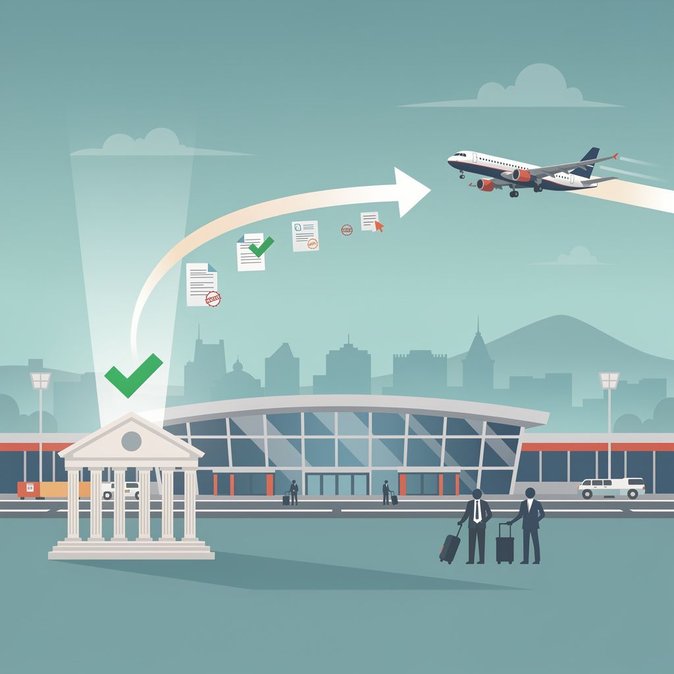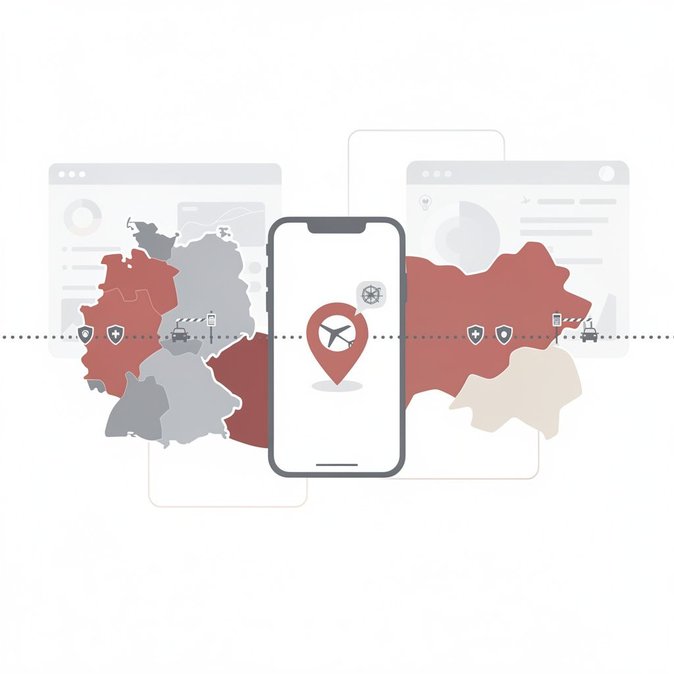
Austrian immigration practitioners are reporting a surge of questions from foreign executives who have received an entry ban but still need to travel to Austria for time-critical meetings. In a detailed legal note published on 21 September 2026, Salzburg-based firm Brandauer Rechtsanwälte dissects the practical use of the little-known re-entry permit under section 27a of the Federal Act on the Police of Aliens (FPG). The permit, which can be issued while a Schengen-wide entry ban is still in force, is strictly tied to the purpose of the visit and can contain up to four separate conditions: a prescribed border crossing, a fixed travel route, a territorial restriction and a periodic reporting duty at a provincial police directorate. According to lead author Mag. Mirela Saric, companies too often treat the permit as a blanket waiver, overlooking the fact that even a minor deviation—such as using the wrong motorway border point—can invalidate the permission and trigger detention or removal at the border. The article therefore urges HR and mobility teams to read the decision “like a travel itinerary with legal force,” cross-checking tickets, hotel bookings and driver routes against the exact wording in the permit. Saric also advises clients to document every step, keep copies of boarding passes and obtain written confirmations of any mandatory police check-ins so that compliance can be demonstrated later. Section 27a FPG allows re-entry only when “important public or private interests” outweigh the reasons for the original ban, and when no separate ground for visa refusal exists. Common corporate scenarios include board meetings that cannot be postponed, asset-critical factory visits or high-level arbitration hearings. Because the Interior Ministry continues to apply a restrictive reading, the author stresses that applications should be accompanied by evidence of indispensability, return guarantees and—where relevant—proof that the applicant’s presence is essential for Austrian jobs or exports. For global mobility managers the note carries two practical messages. First, a re-entry permit is no substitute for lifting or shortening the ban under section 60 FPG; both tracks can, and often should, be pursued in parallel. Second, travel arrangers must build in extra lead time: airlines are entitled to deny boarding if the permit does not match the planned route, and land borders may have limited staffed counters able to process the specialised document. In short, the clarifications provide a timely compliance checklist for multinationals who cannot afford last-minute immigration surprises in Austria’s thriving but tightly regulated market.