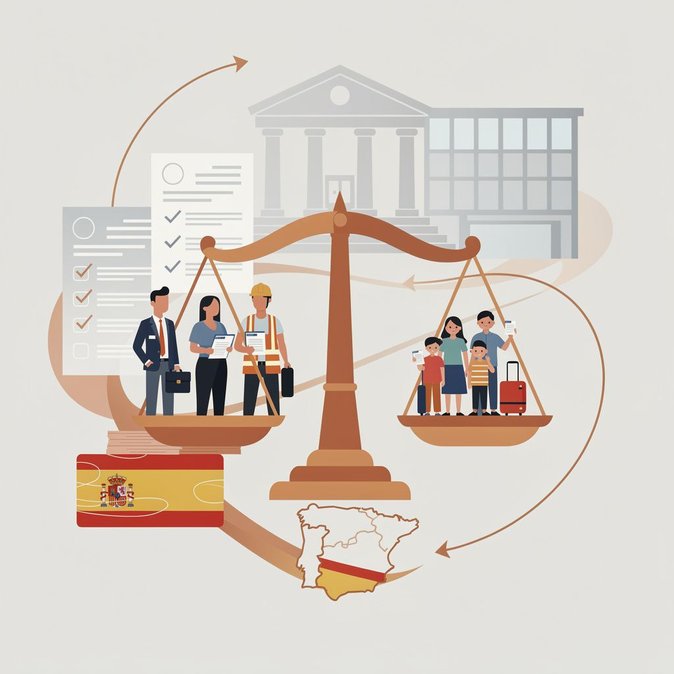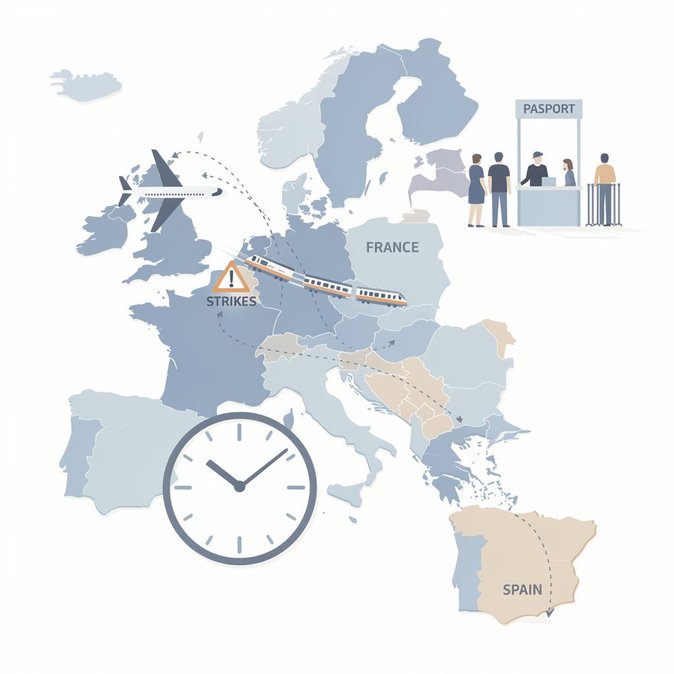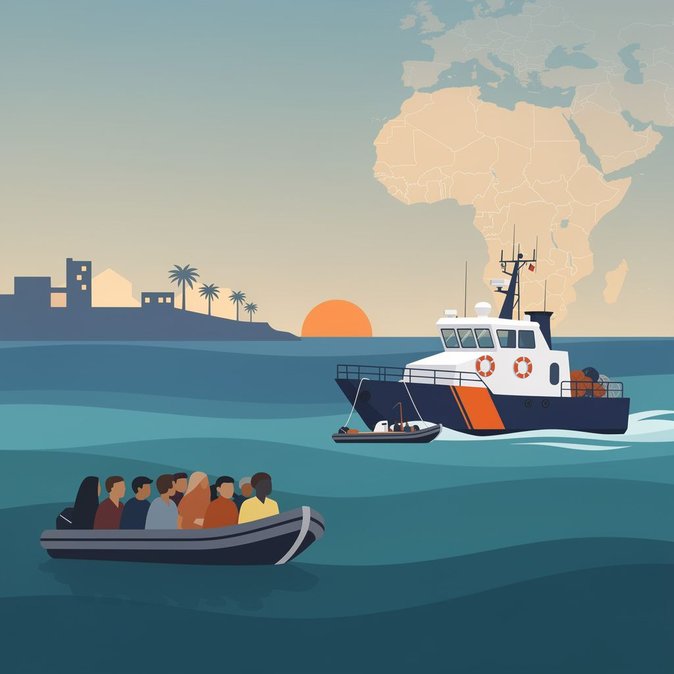
The Government of the Canary Islands and the Spanish Institute of Migration Analysis (IEM) today presented a joint report in Las Palmas forecasting that arrivals via the Atlantic migration route could rise by up to 30 % this winter if conflict in the Sahel continues to escalate. The study, released on 22 September 2026, analyses satellite data, sea-route monitoring and interviews with migrants intercepted off Mauritania. Researchers note that political instability in Mali, Burkina Faso and Niger has disrupted traditional overland pathways to Libya, making the Atlantic corridor toward Spain comparatively attractive despite its notorious danger. Already, 12,400 people have landed in the Canaries between January and mid-September – a 17 % increase on the same period last year. The report urges Madrid and Brussels to bolster search-and-rescue capacities, accelerate implementation of the EU-funded Joint Operational Model in West Africa, and expand legal pathways such as seasonal-worker permits to undercut smuggling networks. It also calls for a special contingency plan at Tenerife’s Tenerife Sur airport, whose emergency halls were converted into overflow shelters during last winter’s spike. Tourism-dependent businesses fear images of overcrowded quays could deter winter-sun bookings just as the islands aim to hit pre-pandemic visitor numbers. Meanwhile, employers in agriculture and hospitality see an opportunity: the regional federation FEHT argues that expanding circular migration programmes could both fill labour shortages and provide safer alternatives for would-be irregular migrants. Global mobility professionals with operations in the archipelago should monitor developments closely; a surge in arrivals often leads to temporary ferry schedule changes and stricter document checks at inter-island airports, which can affect staff rotations.
Source: Infobae / EFE bulletin