Technical Outage at East Coast Air-Traffic Center Grounds Thousands of U.S. Flights
FAA Outage Strands Travelers and Disrupts Northeast Business Corridors
Typhoon Dujuan Cancels U.S.–Japan Flights, Corporate Travelers Scramble
Latest News

DOT Advisory Panel Convenes to Finalize One-Page ‘Passenger Rights’ Mandate
DOT’s Aviation Consumer Protection Advisory Committee began a two-day session on Sept. 22 to finalize a single-page passenger-rights disclosure that airlines must distribute. The standard will affect refund transparency, contract negotiations and traveler education, with implementation expected in 2027.

REAL ID Countdown: What U.S. Flyers Still Need to Know Before the 2027 Deadline
A Sept. 22 Fox Bulletin primer dispels rumors that digital wallets alone will satisfy TSA after REAL ID enforcement begins on May 3, 2027. Millions of travelers still lack compliant identification, posing boarding-denial risk for corporate flyers. Employers should audit employee ID readiness now.

CBP’s ACE Rail Manifest Modernization Goes Live, Promising Faster Cargo Clearance
CBP pushed its ACE Rail Manifest Modernization (Release 2) into production on Sept. 22, enabling richer, real-time data exchange for cross-border rail. The upgrade promises shorter border stops for both freight and future passenger trains, benefiting corporate supply chains and employee relocations.
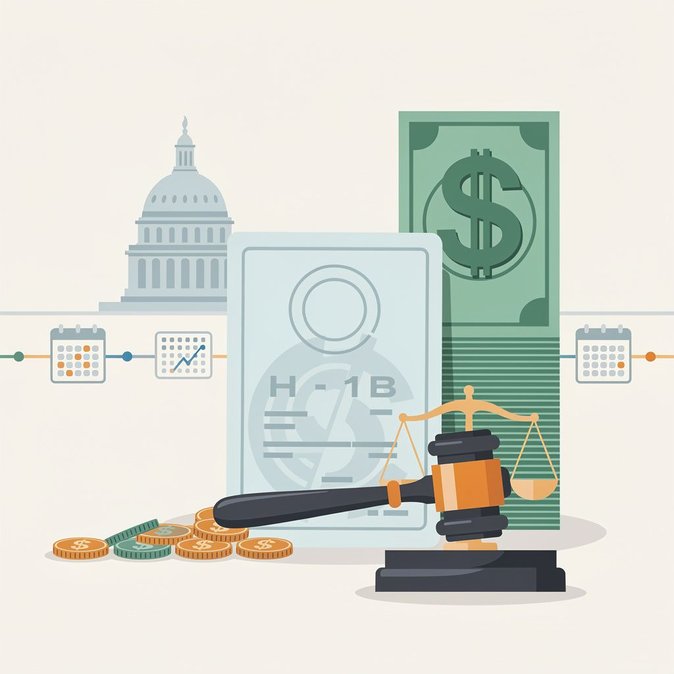
White House Extends Controversial $100,000 H-1B Visa Fee, but Court Injunction Still Blocks Collection
President Trump has extended the 2025 order requiring a US $100,000 payment on many H-1B petitions through September 2027, but a federal court injunction still prevents USCIS from collecting the fee. Until the First Circuit or Supreme Court rules otherwise, employers may file H-1B cases without the surcharge, though heightened scrutiny and a proposed DHS rule for a separate US $103,265 fee signal more cost pressure ahead.
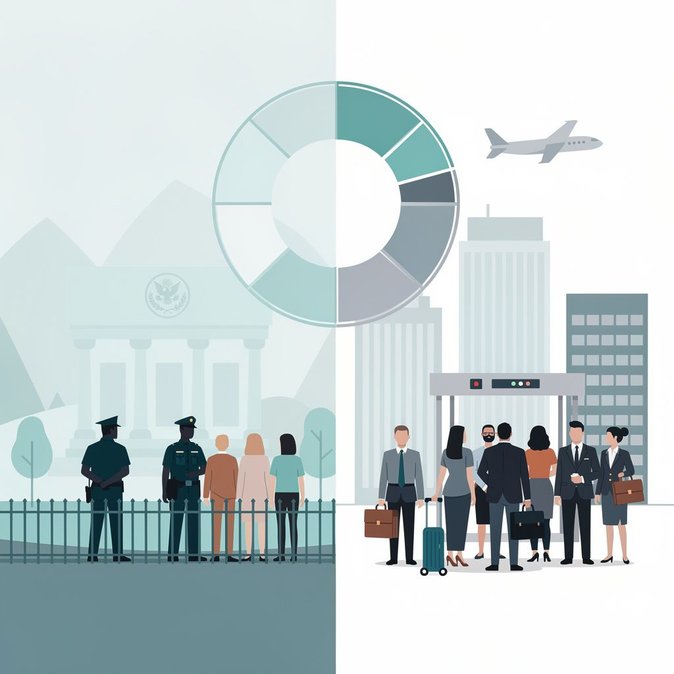
DHS Extends ‘Mass Influx of Aliens’ Emergency for Another 180 Days
DHS on Sept. 21 extended its “Finding of Mass Influx of Aliens,” keeping emergency immigration powers in place until March 2027. The notice cites continued high border encounters, strained detention capacity, and public-safety concerns. Employers should brace for sustained work-site enforcement and possible travel disruptions for foreign staff.

Global Entry Rolls Out Touch-Free, Kiosk-Free Arrival Process at Six Major U.S. Airports
CBP has replaced traditional Global Entry kiosks with walk-through facial-recognition corridors at SFO, BOS, DFW, JFK, PHL and SEA. The touch-free process slashes processing times, eases arrival-hall congestion and previews a wider biometric roll-out that will benefit business travelers—while also raising fresh privacy questions.

End of Haitian TPS Spurs Wave of South-to-North Migration Across U.S.–Canada Border
With TPS for Haiti officially terminated, many Haitian migrants are abandoning the United States for Canada, using informal forest crossings to avoid ICE arrest and deportation. The trend is draining U.S. employers of authorized workers, straining Canadian asylum capacity, and highlighting the domino effect a single U.S. immigration policy shift can have on North American mobility.
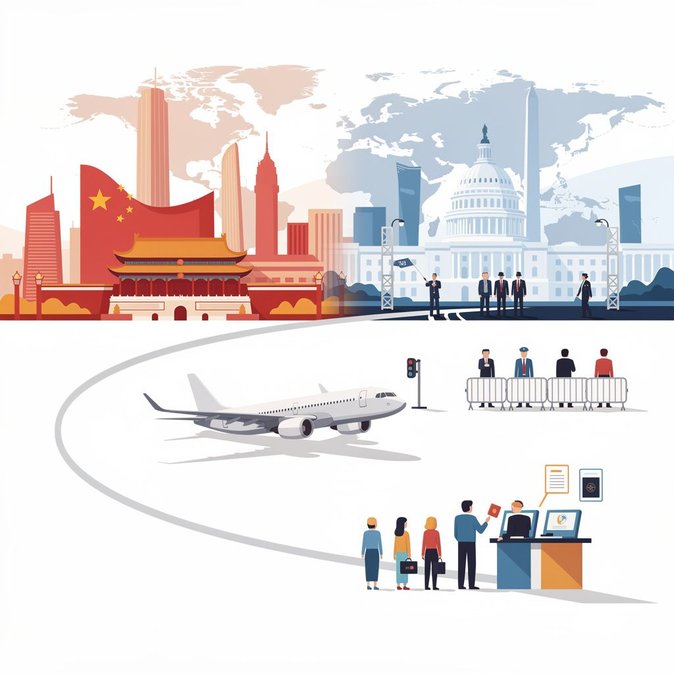
China Confirms President Xi Jinping’s State Visit to Washington, Prompting High-Level Visa Coordination
Beijing confirmed that President Xi will visit the U.S. Sept. 23-25, setting off high-priority visa processing and likely security-related travel disruptions in Washington, D.C. The trip could also yield announcements affecting future U.S.–China mobility flows.
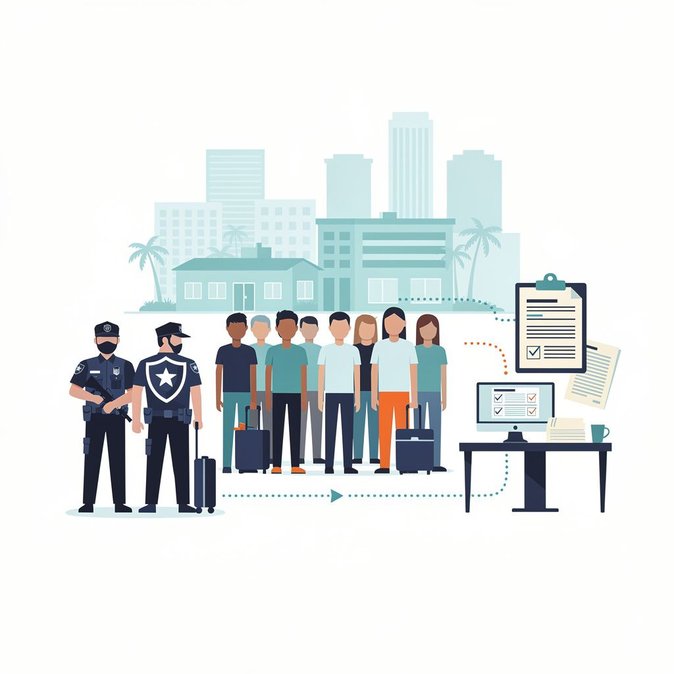
ICE Sweep in Southwest Florida Nets 500 Arrests, Signals Heightened Work-Site Enforcement
ICE and state partners arrested 500 non-citizens in a Florida sweep announced Sept. 21, underscoring aggressive enforcement in a state that recently mandated E-Verify. Employers should bolster I-9 compliance and be ready for on-site audits or worker detentions.
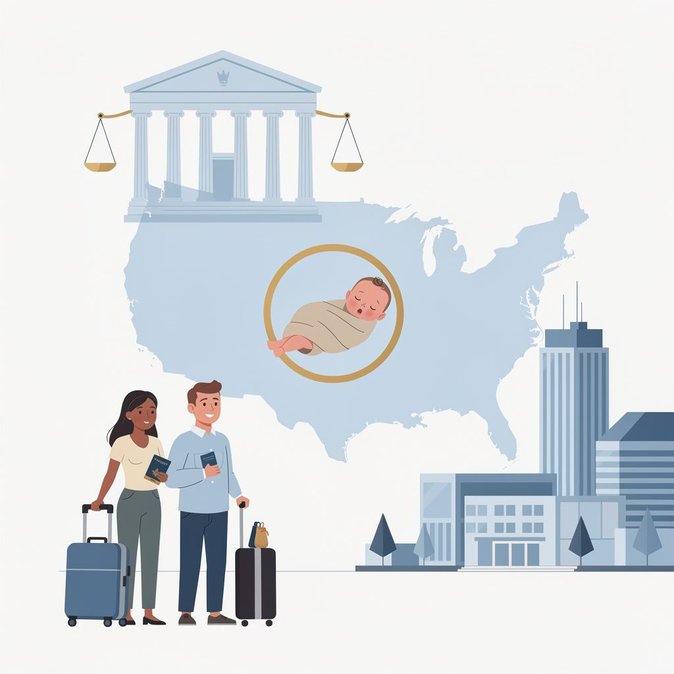
Supreme Court Ruling Safeguards Birthright Citizenship, Removes Uncertainty for Employers’ U.S.-Born Children
A detailed September 21 analysis of the Supreme Court’s June 30 decision confirms that birthright citizenship remains intact for children born on U.S. soil, regardless of their parents’ immigration status. The ruling removes significant legal and logistical uncertainty for multinational employers moving staff to the United States.