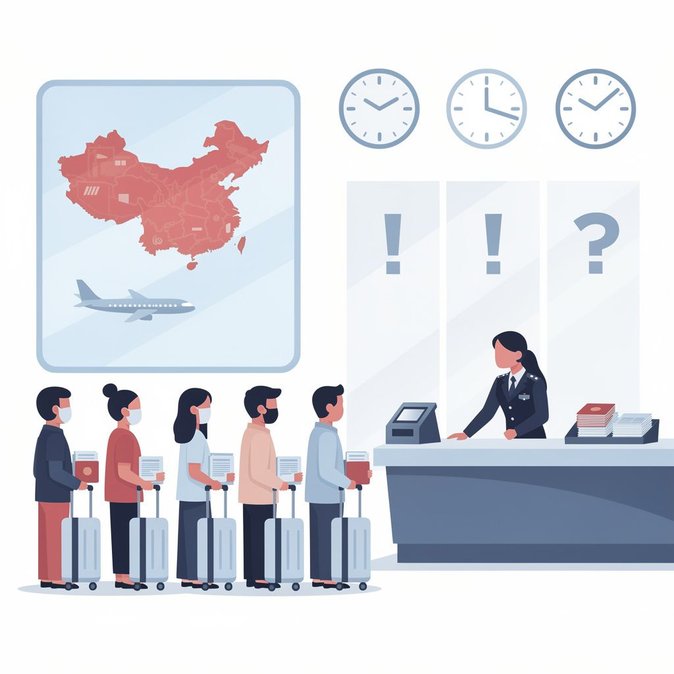
Singapore’s Business Times has picked up growing online debate about China’s revised Exit and Entry Administration Regulations, which took effect on 15 September. Columnist Chen Jing argues that broad wording—allowing authorities to bar departures that “may endanger national industrial or technological security”—has sparked anecdotal reports of longer questioning and the closure of automated e-gates at Beijing’s airports. The article recounts social-media posts describing travellers being asked to show chat logs and explain family circumstances, alongside an unverified image of a “decision to prohibit exit” issued by Guangzhou Baiyun Immigration Inspection. Officials have denied that ordinary tourism is targeted, but have not released detailed enforcement guidelines. For multinational companies the uncertainty is two-fold. First, outbound Chinese staff attending overseas training may face extra scrutiny, requiring longer layovers and additional documentation of the trip’s purpose. Second, inbound assignees could be affected if similar discretionary standards are applied to entry checks, potentially complicating short-notice deployments. Risk-management teams should monitor employee travel chatter and advise travellers to carry invitation letters, hotel bookings and proof of return tickets even when not strictly required. Firms in sensitive sectors—dual-use technology, data services—may wish to conduct pre-departure briefings to ensure staff can articulate their business agenda succinctly. Legal analysts quoted in the piece urge Beijing to clarify definitions to prevent “over-deterrence” that could chill legitimate exchanges. Until then, mobility programmes should build extra time buffers into itineraries and keep HR hotlines open during peak travel dates such as 25 September and 1 October, when passenger volumes are forecast to set new records.
Source: The Business Times