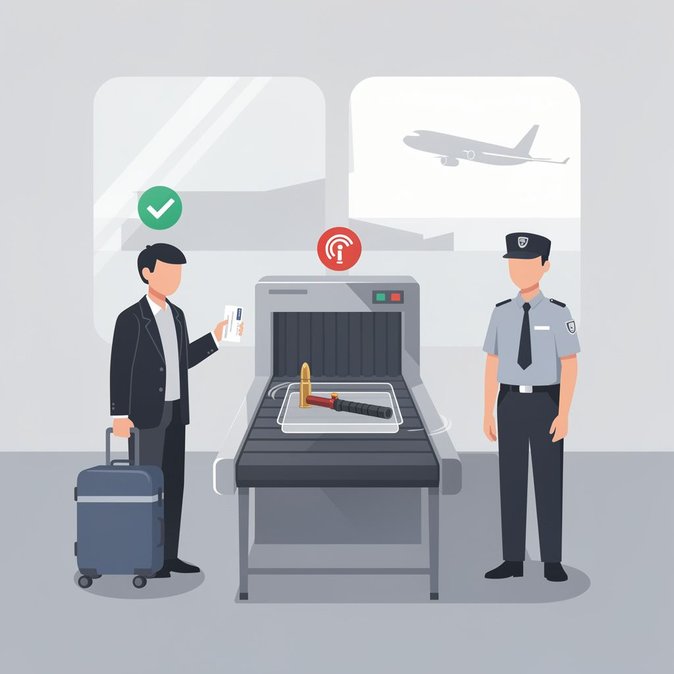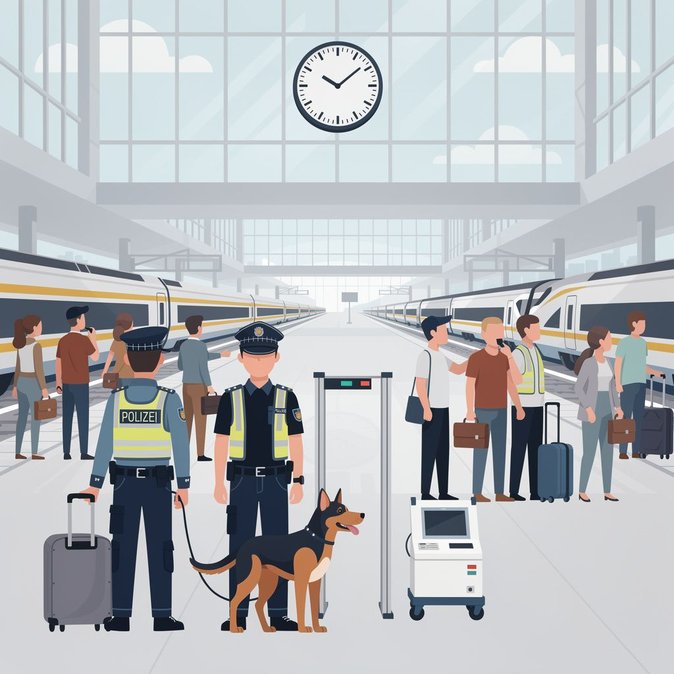
Germany’s Federal Police Headquarters in Potsdam has announced an intensified security operation across more than ten major railway stations from 25 to 27 September. The so-called “Schwerpunkteinsatz” targets locations with persistently high levels of violent crime, including Berlin-Hauptbahnhof, Hamburg-Altona, Cologne and Munich’s central station. The initiative—now in its fourth quarterly iteration—deploys plain-clothes investigators, canine units and mobile X-ray vans to platforms and concourses. Officers will conduct spot ID checks and baggage screenings under Article 23 of the Federal Police Act, which permits measures to prevent unlawful entry or acts of violence. For international assignees and commuters, the most visible impact will be longer transfer times and sporadic platform closures. Corporations with German commuter workforces have been advised to circulate internal alerts and to build buffer time into meeting schedules. Travellers carrying foreign passports or residence permits should keep originals on hand; copies on smartphones are explicitly *not* accepted under German law. The crackdown follows a 9 % year-on-year rise in reported assaults on railway property, fuelled in part by football fan mobility and post-pandemic nightlife revivals. Interior Minister Alexander Dobrindt defended the extraordinary measures, arguing that “visible presence deters opportunistic offenders and reassures lawful passengers.” Civil-rights groups, however, warn of “drag-net” profiling and demand clearer impact data before further extensions. If the operation proves effective—earlier sweeps netted 780 outstanding warrants and 1.5 tonnes of narcotics—it may become a semi-permanent feature of German mobility infrastructure. Business-travel policies should therefore prepare for sporadic, unannounced controls at stations well into 2027.
Source: Bundespolizeipräsidium