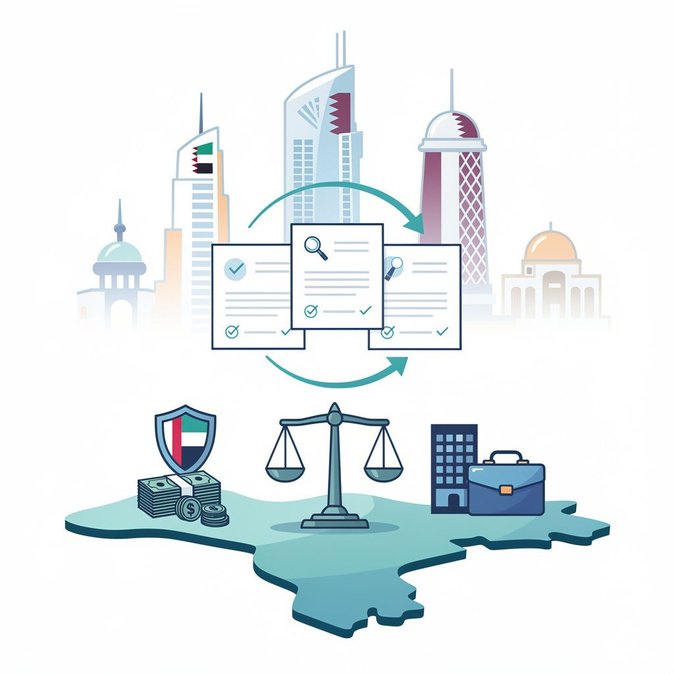
On day two of the 15th United Nations Congress on Crime Prevention and Criminal Justice in Abu Dhabi, the UAE inked separate memoranda of understanding with Qatar’s Ministry of Justice and Bahrain’s Ministry of Legal Affairs. The agreements, signed on 27 September 2026 by UAE Minister of Justice Abdullah Sultan bin Awad Al Nuaimi, aim to streamline mutual legal assistance, extradition and evidence-sharing procedures. Although primarily legal in scope, stronger cross-border cooperation has mobility implications for multinational companies and their assignees. Extradition clarity reduces the legal grey zones that can delay the relocation of employees facing civil or criminal claims, while faster information exchange can shorten due-diligence timelines for corporate transactions involving assets in the three Gulf states. The accords also commit the parties to joint efforts against money laundering, cyber-enabled fraud and the misuse of virtual assets—areas where expatriate workforces and international investors are often caught in regulatory crossfire. Compliance advisers say firms should review internal whistle-blowing and reporting protocols to align with the new frameworks. Beyond the signings, Congress sessions examined AI-driven online scams and cross-border victim identification—topics that will likely inform future immigration-screening algorithms. Delegates from Ireland, Armenia and Thailand held side-meetings with UAE officials, signalling growing interest in Gulf legal partnerships. The Crime Congress continues until 1 October, but practitioners recommend that companies operating across the GCC start mapping their legal-risk exposure now, particularly in sectors like fintech, family offices and logistics where asset-tracing requests are on the rise.
Source: Dubai Eye 103.8 News