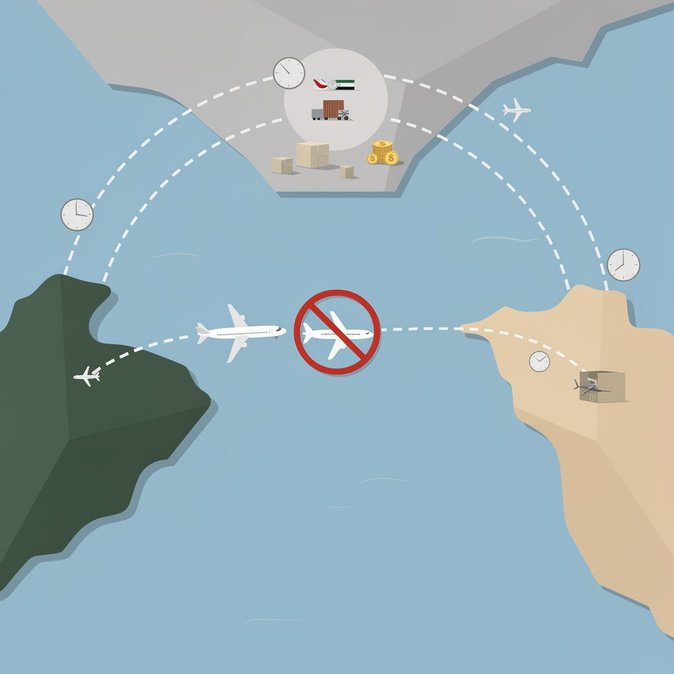
In a sharp escalation of regional transport restrictions, the UAE on 27 September halted operations of every Iranian carrier—commercial and cargo—into Dubai, Abu Dhabi and Sharjah. The move, revealed in an aviation industry update by Gulf News, follows new US Treasury sanctions targeting entities that provide material support to Iran’s aviation sector. Effective immediately, carriers such as Iran Airtour, Mahan Air and Qeshm Air can neither land nor overfly UAE territory. Flights already en route when the directive was issued were allowed to continue under one-off exemptions; all subsequent services are barred “until further notice”. The UAE’s General Civil Aviation Authority (GCAA) said the decision was “precautionary and regulatory” rather than a diplomatic break, but industry insiders note that the blanket ban is unprecedented. Travel and freight consequences are immediate. Iranian expatriates working in the UAE—estimated at over 100,000—face longer routings via Muscat, Doha or Istanbul. Supply-chain managers moving perishable produce and critical spare parts between Bandar Abbas and Jebel Ali Free Zone must shift to sea freight or multimodal corridors, adding days to delivery cycles. Insurers are also recalculating war-risk premiums for charters that skirt Iranian airspace, driving up costs for energy and project-cargo operators. Multinationals with mobility programmes should prepare for emergency repatriations via third-country hubs if tensions rise further. Diplomats in Abu Dhabi stressed that humanitarian travel—including medical evacuations—could be authorised case-by-case, but only through written GCAA exemptions obtained at least 72 hours in advance.
Source: Gulf News